The Original Delivery Economy
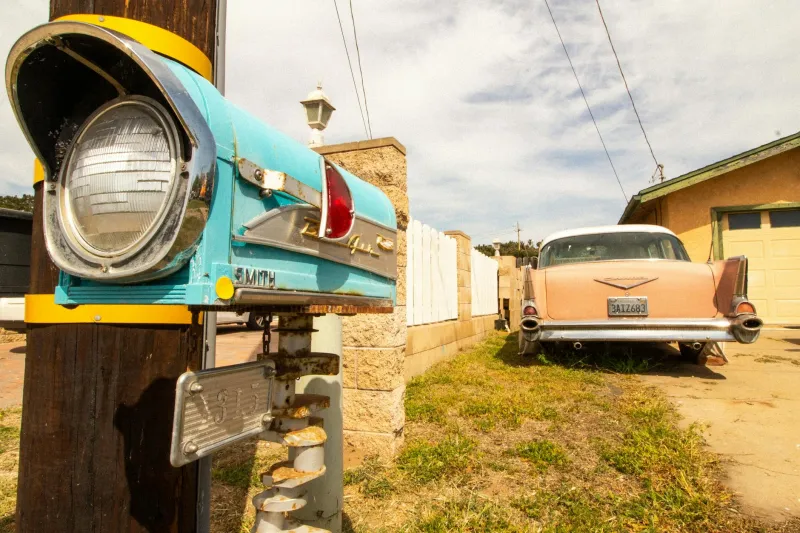
Every Tuesday and Friday, Harold would pull his refrigerated truck up to the Johnsons' house in suburban Cleveland, walk to their front porch, and swap out empty glass bottles for fresh milk, cream, and sometimes eggs or butter. He knew they liked their milk delivered by 7 AM, that Mrs. Johnson preferred whole milk while Mr. Johnson wanted skim, and that they'd leave a note in the milk box if they needed extra for weekend guests.
This wasn't some quaint small-town arrangement — it was how most of America got its dairy products well into the 1960s. But Harold wasn't alone on those suburban streets. The iceman came twice a week, the bread truck on Thursdays, the knife sharpener monthly, and Fuller Brush salesmen quarterly. America had built an entire delivery economy decades before Jeff Bezos was born.
The Logistics of the Good Old Days
At its peak in the 1950s, home delivery wasn't just common — it was the backbone of American household management. Milk delivery alone reached 30 million American homes. That's roughly 70% of all households getting dairy products delivered directly to their doorsteps, often with no advance notice required.
The system worked because it was built on routine and relationships, not algorithms and apps. Your milkman knew your family's consumption patterns better than any data scientist. He'd automatically increase your order before holidays, remember when you went on vacation, and adjust quantities based on the season. If you needed something special, you left a note in the milk box. No customer service chat required.
Urban areas had even more elaborate delivery networks. In New York City, you could have fresh bread delivered daily, vegetables twice weekly, and specialty items like fish or kosher meats on demand. Department stores like Macy's and Gimbels delivered purchases the same day, often within hours of purchase. The Fuller Brush man, Avon lady, and Watkins spice salesman brought products directly to your door on predictable schedules.
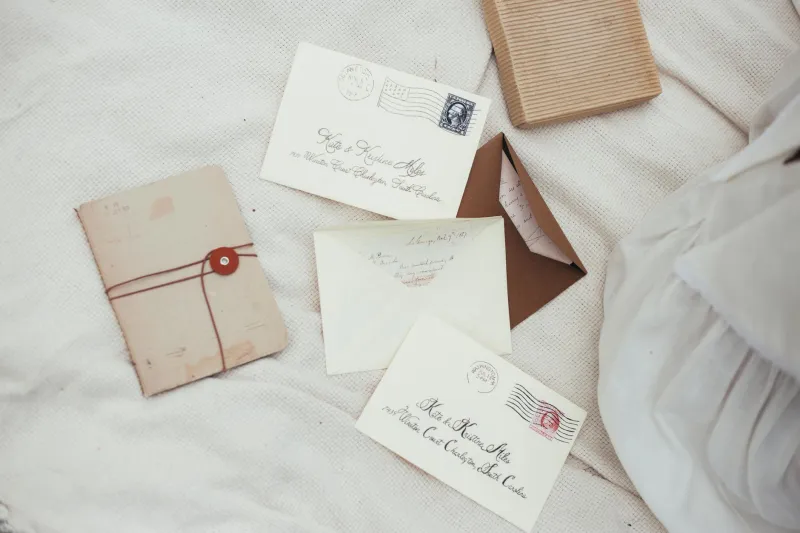
 Photo: New York City, via files.ekmcdn.com
Why It All Disappeared
The death of America's original delivery economy wasn't sudden — it was a slow strangulation by changing lifestyles and economics. The rise of suburbanization meant delivery routes became longer and less efficient. Families bought cars and discovered the convenience of one-stop shopping at supermarkets. Refrigerators got bigger, allowing families to store more food at home.
But the real killer was cost. By the 1960s, delivered milk cost about 30% more than supermarket milk. The convenience premium that seemed reasonable when most families had one car and stay-at-home mothers became harder to justify when both parents worked and could shop on their own schedules.
The final blow came from changing work patterns. The delivery economy of the 1950s assumed someone would be home to receive deliveries. As more women entered the workforce, that assumption crumbled. Leaving milk on the porch worked in small towns where everyone knew each other, but became impractical in anonymous suburbs where packages might be stolen.
The Great Retail Consolidation
What replaced home delivery was the supermarket revolution. Between 1950 and 1980, the number of small grocery stores in America dropped by 60%, while supermarket chains expanded rapidly. These stores offered lower prices through economies of scale, but they also fundamentally changed how Americans thought about shopping.
The weekly "big shop" became standard. Families would load up their cars once or twice a week, buying everything they needed in a single trip. This was more efficient in terms of time and money, but it eliminated the personal relationships that had defined the old delivery system. Your supermarket cashier didn't know your name, let alone your family's dietary preferences.
The Return of Delivery — With a Twist
Today, we're witnessing what seems like a return to the delivery economy of the past, but the similarities are largely superficial. Amazon Prime, Instacart, DoorDash, and dozens of other services will bring almost anything to your door, often faster than Harold could deliver milk.
But this new delivery economy operates on completely different principles. Where the old system was built on relationships and routine, the new one runs on data and algorithms. Your delivery driver probably doesn't know your name and definitely doesn't know your preferences. The system is more efficient but less personal.
The economics are also inverted. The milkman's delivery premium was built into the base price — you paid more for milk, but delivery was included. Today's delivery services typically charge separately for convenience: delivery fees, service charges, tips, and surge pricing. What once cost 30% more now often costs 50-100% more when you factor in all the additional charges.
What We Gained and Lost
Modern delivery offers conveniences that would have amazed Harold and his customers. You can order ice cream at midnight, get prescription medications delivered in hours, and have groceries appear at your door within a one-hour window. The selection is virtually unlimited, and you can track your order in real-time.
But something fundamental has been lost in translation. The old delivery economy was embedded in communities. Your milkman lived in your neighborhood, knew your kids' names, and had a stake in your satisfaction beyond this week's order. He was part of the social fabric, not just a commercial transaction.
The modern delivery economy, for all its efficiency, is transactional. Drivers are often gig workers with no long-term relationship to the service or the customers. The convenience is undeniable, but the human connection has been algorithmed out of existence.
The Cost of Convenience
Perhaps most importantly, the old delivery economy was designed to serve middle-class families as a matter of course. The milkman's route included the banker's house and the factory worker's house, because both families bought milk. Today's delivery economy increasingly serves affluent consumers who can afford the convenience premium, while lower-income families are priced out of what was once a standard service.
We've come full circle to home delivery, but we've also fundamentally changed what it means and who it serves. The milkman delivered democracy along with dairy — the idea that convenience and personal service should be accessible to ordinary working families. Today's delivery economy delivers efficiency and choice, but often at the cost of both community and affordability.
Harold would probably be amazed by Amazon's logistics network, but he might wonder why it took us sixty years to rediscover what he knew all along: people like having things brought to their door. The question is whether we can recapture not just the convenience, but the humanity of the original delivery economy.