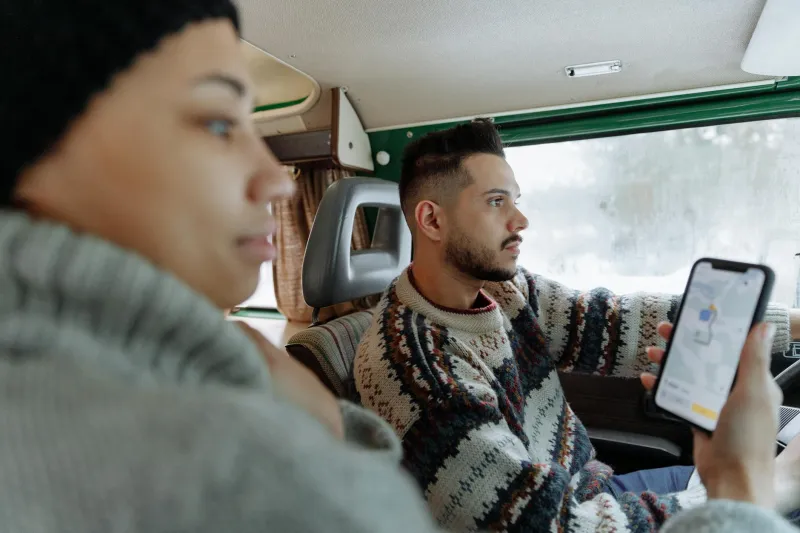
Type "best pizza near me" into your phone and you'll get 47,000 results in 0.3 seconds, complete with photos, reviews, hours, and turn-by-turn directions. It's so effortless that it's easy to forget this superpower is barely 25 years old. Before the internet put every fact at our fingertips, finding anything — from a plumber to a phone number to the answer to a random question — required a completely different set of skills and an entire infrastructure that has quietly vanished from American life.
For most of the 20th century, information wasn't something you searched for; it was something you hunted down through a network of physical resources, human connections, and patient detective work that would seem impossibly slow to anyone under 30 today.
The Phone Book: America's First Search Engine
Every American home had at least two thick books that served as the backbone of daily information gathering: the White Pages and the Yellow Pages. The White Pages listed every phone number in your area, organized alphabetically by last name. The Yellow Pages organized businesses by category, becoming the primary way Americans discovered everything from auto repair shops to wedding photographers.
These weren't just reference books; they were survival guides. Running out of phone books during a move was a genuine crisis. The Yellow Pages in particular became a battleground for businesses, where the size of your ad and your alphabetical placement could make or break a company. Being "AAA Plumbing" wasn't just clever marketing — it was strategic positioning in the pre-digital economy.
The phone book system worked, but it required skills that seem almost quaint today. You had to know how businesses categorized themselves (was that repair shop under "Appliances" or "Electronics"?), and you had to call multiple places to compare prices and availability. No reviews, no photos, no websites — just a business name, an address, and a phone number.
The Reference Librarian: Your Personal Search Engine
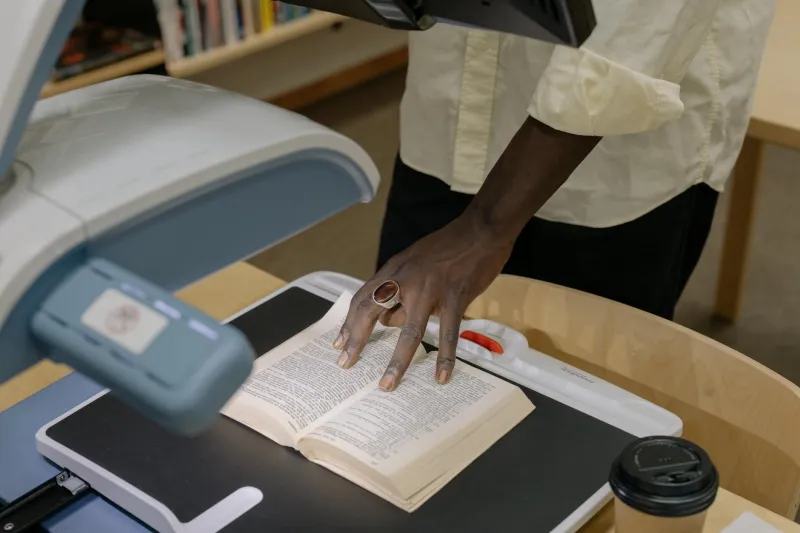
Before Wikipedia and Google, there was a person whose job was to know how to find anything: the reference librarian. These unsung heroes of the information age maintained vast mental catalogs of resources and could guide you through the maze of encyclopedias, almanacs, directories, and specialized databases that held the world's knowledge.
Need to settle a bar bet about which movie won the Oscar in 1967? The reference librarian knew exactly which film guide to consult. Looking for your high school friend who moved across the country? They'd walk you through city directories and phone books from other regions. Researching a family tree? They'd introduce you to census records, immigration databases, and newspaper archives you never knew existed.
The reference desk was essentially a human Google, but with a crucial difference — the librarian could understand context, ask clarifying questions, and guide you toward information you didn't even know you were looking for. Today's search algorithms are powerful, but they can't replicate that human ability to say, "Based on what you're asking, I think what you really need is this other thing."
The Art of Getting Somewhere
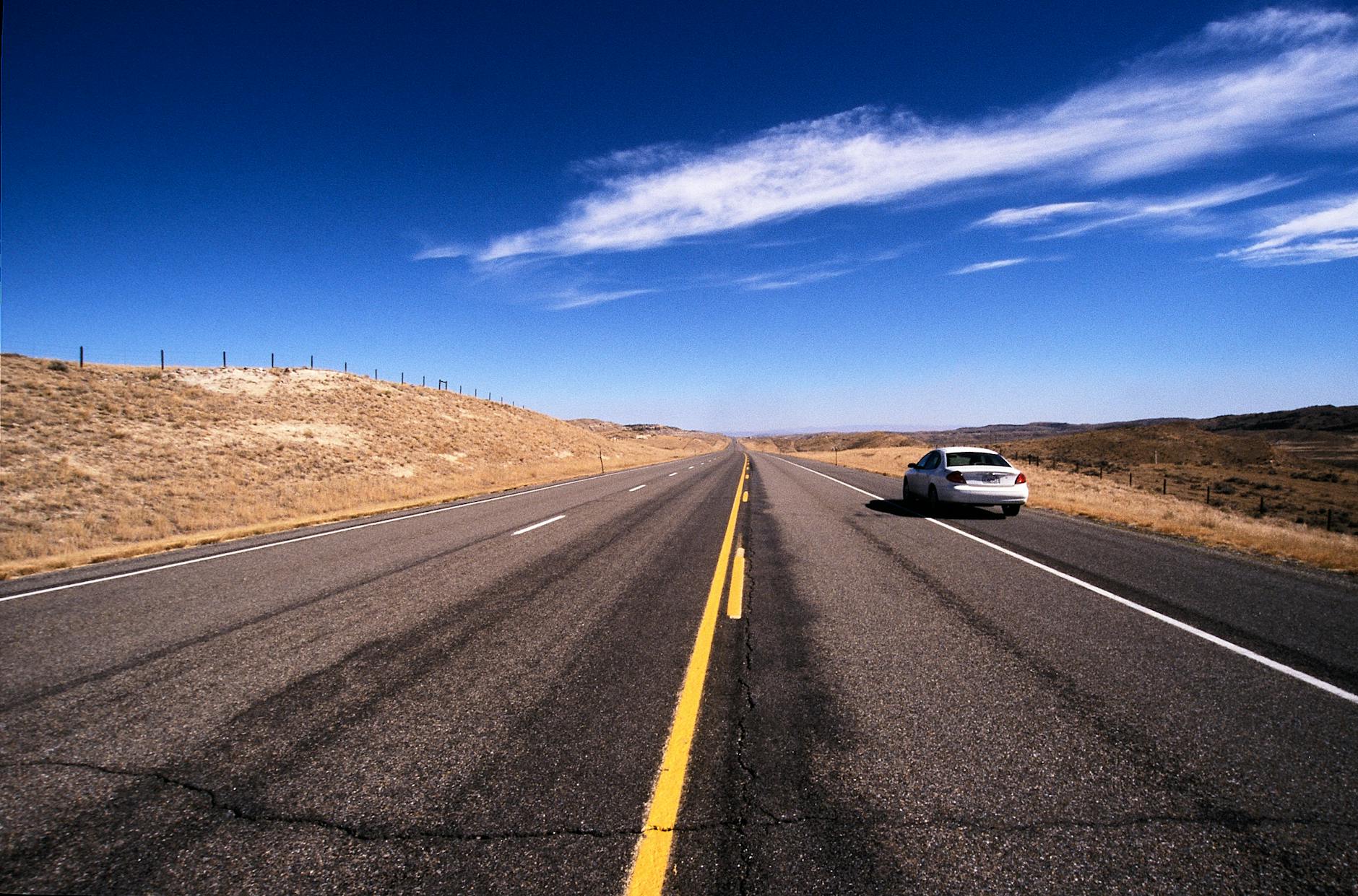
Travel planning in pre-GPS America was an elaborate ritual that required multiple information sources and genuine navigational skills. The American Automobile Association (AAA) served as the unofficial travel planning headquarters for millions of Americans, providing not just roadside assistance but detailed "TripTiks" — custom-made route maps that highlighted the best roads, scenic stops, and recommended lodging.
Planning a cross-country drive meant spreading paper maps across your kitchen table, calling hotels for reservations (or just hoping for the best), and consulting guidebooks that were updated annually at best. Getting lost wasn't a minor inconvenience solved by "recalculating" — it was a genuine adventure that could add hours or even days to your journey.
Local travel was equally complex. Visiting a new city meant armed with a paper map, written directions, and often a healthy dose of optimism. The phrase "you can't miss it" became a running joke precisely because missing things was incredibly easy when your only navigation tool was a folded piece of paper and whatever landmarks people remembered to mention.
The Social Network of Information
Perhaps the most important information source in pre-digital America was other people. Word-of-mouth recommendations carried enormous weight because they were often the only way to evaluate quality before making a purchase. Your neighbor's opinion about a restaurant mattered more than any online review because it was the only opinion you could easily access.
This created informal networks of information sharing that don't really exist anymore. Barbershops, beauty salons, coffee shops, and church gatherings served as informal information exchanges where recommendations and warnings circulated through the community. The corner pharmacist knew which doctors were good with kids. The bank teller knew which contractors were reliable. The grocery store clerk knew which restaurants had changed ownership.
These human information networks had built-in quality control that modern online reviews often lack. When your reputation in a small community depended on the accuracy of your recommendations, people were more careful about what they passed along.
The Patience Economy
What strikes anyone looking back at pre-internet information gathering is how much patience it required. Settling a trivia argument might take days of library visits and phone calls. Planning a vacation could consume weeks of research and correspondence. Finding a good contractor meant asking around, checking references, and waiting for callbacks.
This forced patience had unexpected benefits. The effort required to find information meant people valued it more when they got it. The delay between question and answer created space for reflection and second thoughts that our instant-information culture has largely eliminated.
What We've Lost in Translation
The shift to digital information happened so quickly that we rarely pause to consider what disappeared along with phone books and card catalogs. The human element of information gathering — the librarian who could read between the lines of your question, the neighbor who knew your specific situation, the local expert who had decades of context — has been replaced by algorithms that are powerful but fundamentally impersonal.
We've also lost the serendipity of analog information gathering. Flipping through phone books or browsing library shelves often led to discoveries you weren't looking for. The restaurant you found while looking for a different one. The book you stumbled across while researching something else. Today's targeted search results are incredibly efficient, but they're less likely to surprise you.
The democratization of information that came with the internet is undeniably positive — knowledge that was once available only to those with access to good libraries or extensive personal networks is now available to anyone with a smartphone. But in gaining the ability to know anything instantly, we've lost some of the skills and relationships that made finding information a more human, if slower, experience.
The next time you effortlessly find exactly what you're looking for in seconds, take a moment to appreciate not just the technology that makes it possible, but the entirely different world of patient, methodical information hunting that it replaced. Our grandparents weren't less intelligent for not knowing everything instantly — they were just operating in a world where finding answers was a skill worth developing, rather than a service we take for granted.