Dear America: How We Traded Thoughtful Letters for Thoughtless Letters
In 1990, the United States Postal Service delivered 166 billion pieces of mail. By 2020, that number had dropped to 129 billion — and most of that was packages and junk mail. Personal letters, once the backbone of American communication, had virtually disappeared.
This wasn't just a change in technology. It was a fundamental shift in how Americans related to each other, thought about communication, and structured their most intimate relationships.
When Words Had Weight
Writing a letter in 1985 was an event. You had to find paper, locate a pen that worked, compose your thoughts carefully (because crossing out looked messy), and commit to whatever you wrote. Then came the ritual of addressing an envelope, finding a stamp, and making a trip to the mailbox.
Every step created friction — the kind of friction that made people think before they wrote.
"I still have every letter my husband wrote me during his deployment in 1989," says Carol Peterson, 58, from Minneapolis. "Forty-three letters over six months. Each one took him time to write, and I read each one probably twenty times. Try doing that with a text message."
The average personal letter in the 1980s was 200-400 words long. People wrote about their days, their thoughts, their plans and dreams. Letters were mini-essays, complete thoughts delivered in careful handwriting that itself conveyed personality and mood.
The Economics of Patience
A first-class stamp in 1985 cost 22 cents — about 65 cents in today's money. That small cost created a curious effect: it made people combine multiple thoughts into single letters rather than firing off separate messages for each random thought.
Families developed elaborate correspondence strategies. College students wrote weekly letters home, updating parents on everything from grades to laundry to romantic developments. These weren't quick check-ins — they were substantial updates that painted complete pictures of life away from home.
Long-distance relationships were sustained entirely through letters and expensive phone calls. Couples wrote daily, sometimes multiple times per day, creating paper trails of their developing relationships that many kept for decades.
The Three-Day Rule
First-class mail within the continental United States typically took 2-3 days to arrive. This delay created a unique rhythm to American relationships. You wrote something on Monday, your recipient read it Wednesday, and their response arrived Saturday.
This enforced pause had profound effects on communication. Arguments couldn't escalate instantly — by the time an angry letter arrived, emotions had often cooled. Misunderstandings had time to resolve themselves. People learned patience as a communication skill.
"You had to really mean what you wrote," explains David Kim, 62, a retired teacher from Portland. "You couldn't just dash off something stupid and hit send. Once that letter was in the mailbox, it was final."
The Lost Art of Handwriting
Personal letters were handwritten. This wasn't just tradition — most people didn't have easy access to typewriters for personal correspondence. Handwriting added layers of meaning that digital communication can't replicate.
The slant of letters, the pressure of pen on paper, the care taken with certain words — all of these conveyed emotion and intent. Lovers could recognize each other's handwriting from across a room. Parents could tell their children's moods from how they formed their letters.
Children learned cursive not as an academic exercise but as a practical life skill. Poor handwriting could affect your social life, your romantic prospects, even your career advancement.
When Distance Actually Mattered
The postal system created a geography of intimacy. Close friends and family members exchanged letters regularly. More distant relationships required more intentional effort to maintain. This natural filtering effect meant that correspondence was generally reserved for people who truly mattered.
International mail took weeks and cost significantly more. Maintaining overseas relationships required genuine commitment. When someone wrote to you from another country, you knew they had made a serious effort.
The Digital Avalanche
Email didn't kill letter writing overnight. In the early 1990s, email was still primarily a business tool. Personal email adoption was gradual through the decade.
But once it reached critical mass around 2000, the change was swift and dramatic. Why wait three days when you could get an instant response? Why pay for stamps when email was free? Why write carefully when you could always send another message to clarify?
Text messaging, which became widespread in the mid-2000s, accelerated the transformation. Communication became not just instant but constant. The average American now sends and receives over 70 text messages per day.
What We Gained and Lost
The benefits of digital communication are undeniable. Families stay in closer touch. Long-distance relationships are easier to maintain. Emergency communication is instant. The cost barriers that once limited correspondence have essentially disappeared.
But something was lost in the translation. Digital communication tends toward the immediate and superficial. Text messages rarely exceed 50 words. Emails, while longer, are often dashed off quickly between other tasks.
The deliberate, thoughtful communication that letters required has largely disappeared. We've gained speed and convenience but lost depth and intentionality.
The Intimacy of Ink
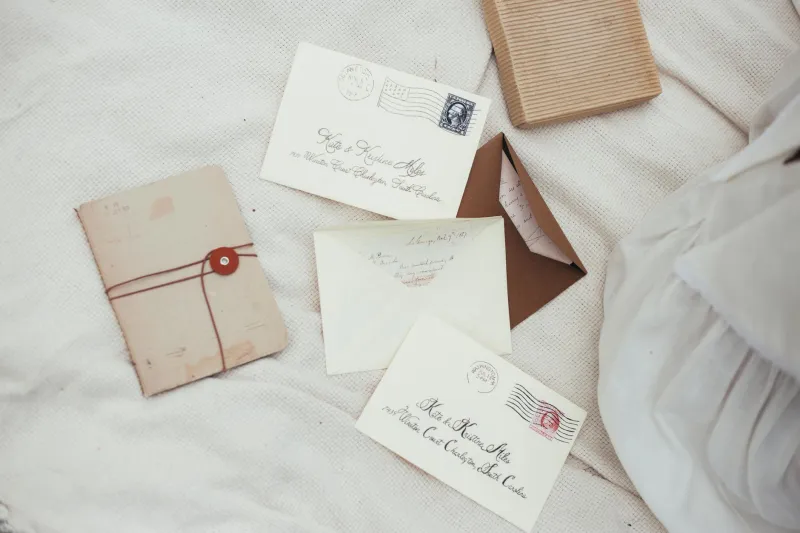
Physical letters carried emotional weight that digital messages struggle to match. They were objects you could hold, keep, reread. Many Americans still have boxes of old letters in their closets — tangible evidence of relationships, growth, and change over time.
Digital messages, for all their convenience, rarely become keepsakes. Who prints out text messages? Who rereads old emails for pleasure? The ephemeral nature of digital communication makes it feel less precious, less permanent.
The Rhythm of Reflection
Perhaps most importantly, letter writing encouraged a different pace of thought. The delay between message and response created space for reflection. People considered their words more carefully, both when writing and when reading.
This slower rhythm affected not just communication but relationships themselves. Friendships and romances developed more gradually, with more time for consideration and less pressure for immediate response.
Letters in the Digital Age
Today, receiving a handwritten letter feels almost shocking. It stands out precisely because it's so rare. The few people who still write letters report that their correspondence is treasured in ways that texts and emails never are.
Some couples have returned to letter writing as a way to slow down their communication and add intentionality to their relationships. Wedding planners report increasing interest in handwritten invitations and thank-you notes.
But these are exceptions. For most Americans, the letter has become a historical artifact — something their grandparents did, like churning butter or mending socks.
The Price of Speed
Our communication became faster, cheaper, and more frequent. But in gaining the ability to send instant messages, we may have lost the art of crafting meaningful ones. In eliminating the friction of correspondence, we eliminated much of its weight.
The letter era taught Americans that communication was worth effort — worth the cost of a stamp, the time to write thoughtfully, the patience to wait for a response. Those lessons, once learned through everyday practice, now exist mainly in memory.