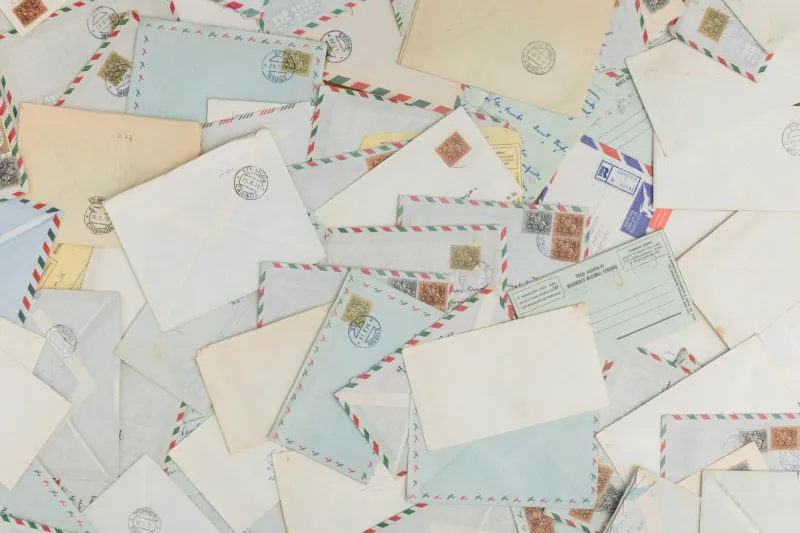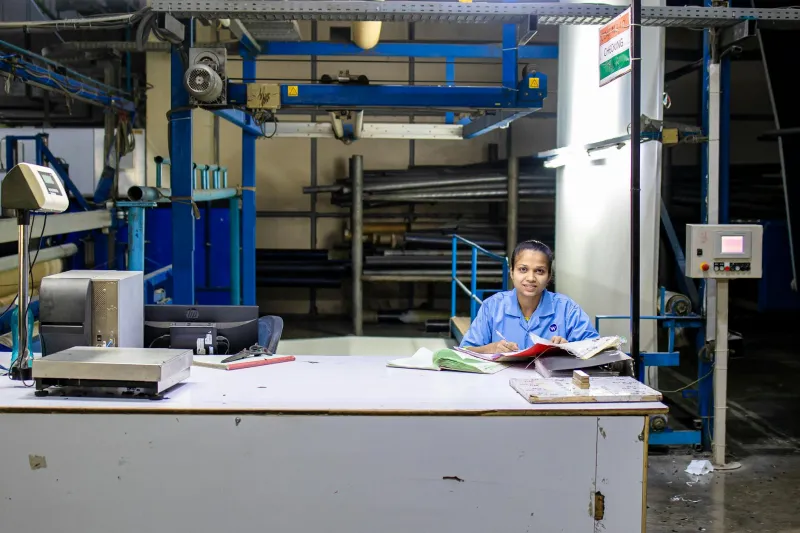
Every other Friday at 3 PM, something magical happened in American workplaces. Supervisors would walk through offices and factory floors carrying stacks of small envelopes, each one containing a piece of paper that represented two weeks of someone's life. Workers would pause whatever they were doing, tear open that envelope, and hold their earnings in their hands.
This wasn't ancient history. As recently as the 1990s, millions of Americans still received physical paychecks. Today, that ritual has vanished so completely that many young workers have never held a paycheck in their entire careers.
The Friday Afternoon Ritual
Payday wasn't just a date on the calendar—it was an event. Workers would gather around the time clock or supervisor's desk, waiting for their name to be called. The envelope itself became part of the experience: the slight weight of the paper, the satisfaction of tearing it open, the moment of seeing exactly what you'd earned after taxes and deductions.
"You'd always check the stub first," recalls Maria Gonzalez, who worked at a Detroit auto parts factory in the 1980s. "Even though you knew what you made, seeing those numbers on paper made it real. Then you'd fold that check carefully and put it in your wallet like it was made of gold."
The paycheck stub told a story. Gross pay, federal taxes, state taxes, Social Security, health insurance—every deduction was itemized in tiny print. Workers became intimately familiar with their tax burden in a way that's nearly impossible when everything happens automatically in the background.
The Bank Run That Built Community
Receiving the check was only half the ritual. The other half happened at the bank, where Friday afternoons turned into community gatherings. Long lines of workers would snake through bank lobbies, everyone clutching their paychecks and waiting to cash or deposit them.
"The bank on Friday afternoon was like a social club," remembers Tom Patterson, who managed a Pittsburgh steel mill in the 1970s. "You'd see the same faces every two weeks. People would chat about their kids, complain about overtime, make weekend plans. It was this shared experience that brought the whole neighborhood together."
Some workers would cash their entire check and walk out with a thick stack of bills. Others would deposit most of it but take out spending money for the weekend. Either way, the transaction required conscious thought and planning.
When Money Had Weight
There's something profoundly different about handling physical money versus watching numbers change on a screen. Behavioral economists call it the "pain of paying"—the psychological discomfort that makes spending feel real. When your paycheck came as cash or a check you had to physically deposit, that connection between work and reward was impossible to ignore.
"I remember counting out my pay in twenty-dollar bills and thinking, 'This represents eight hours of standing on that assembly line,'" says Janet Williams, who worked at a textile mill in North Carolina during the 1980s. "When I bought groceries, I could feel exactly how much of my time each purchase cost. You don't get that same connection when money just appears in your account."
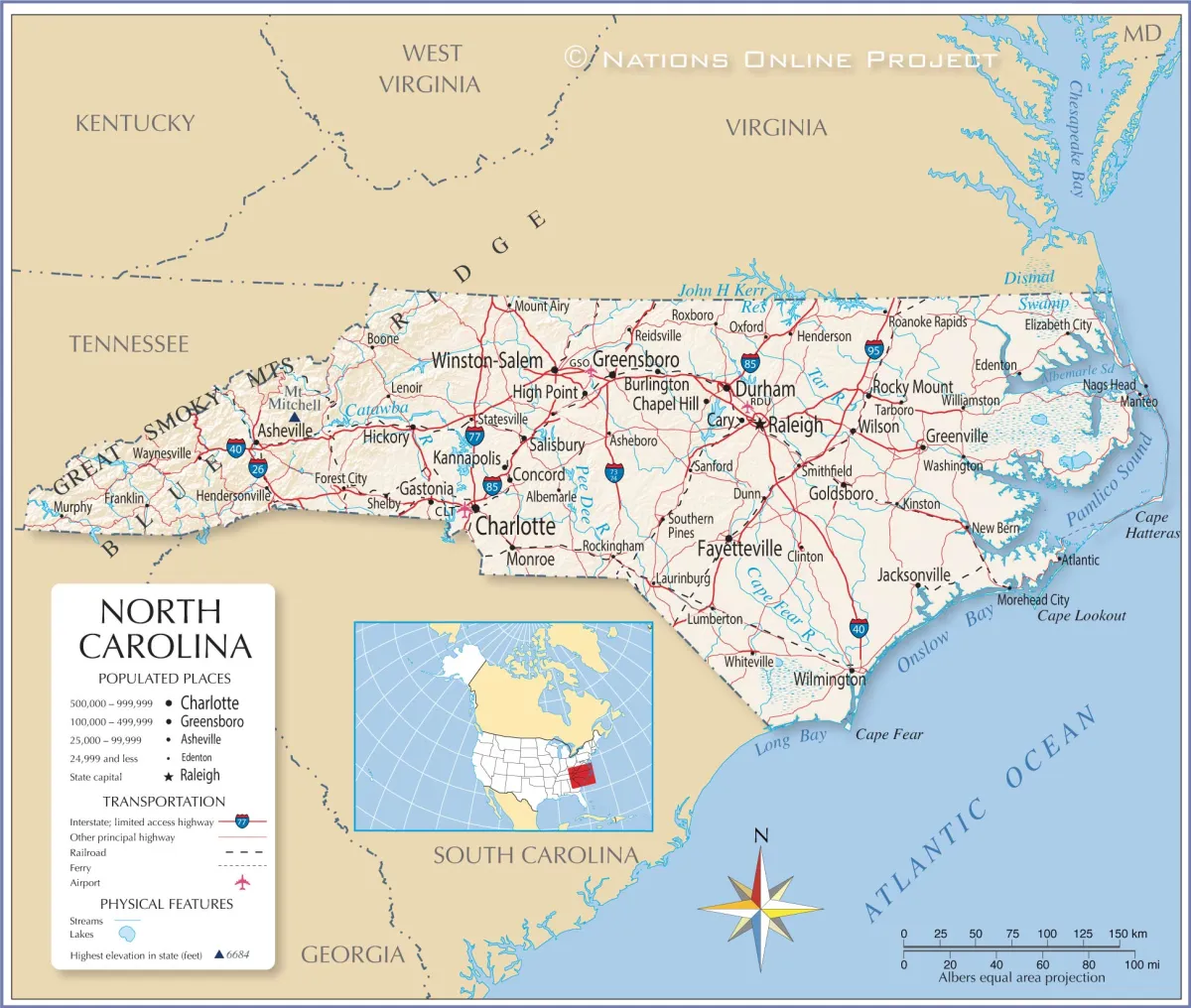 Photo: North Carolina, via www.nationsonline.org
Families would often gather around the kitchen table on payday to sort bills, count cash, and plan the next two weeks. Children would watch their parents handle money, learning through observation how budgeting actually worked. The paycheck envelope became a teaching tool that connected effort to reward in ways that a direct deposit notification simply cannot.
The Convenience Revolution
Direct deposit began appearing in the 1970s, but it took decades to become standard. Early adopters loved the convenience—no more rushing to the bank, no more worrying about losing a check, no more waiting for funds to clear. By the 2000s, many employers were pushing direct deposit as a cost-saving measure, and some stopped offering paper checks entirely.
The benefits were undeniable. Workers on vacation didn't have to worry about missing payday. Single parents didn't have to find time to get to the bank. Shift workers could access their money at any hour through ATMs. The efficiency gains were enormous.
But something subtle was lost in the translation. When money becomes a number on a screen rather than something you hold in your hands, the psychological relationship changes. The automatic nature of direct deposit enabled automatic bill paying, which enabled automatic spending, which gradually disconnected many Americans from the daily reality of their finances.
What We Traded Away
Today's workers enjoy unprecedented convenience in how they receive and manage their pay. Money appears in accounts like clockwork, bills pay themselves, and complex financial transactions happen with a few taps on a smartphone. The friction has been removed from nearly every aspect of personal finance.
Yet surveys consistently show that Americans feel less in control of their money than previous generations did. Credit card debt has exploded, savings rates have plummeted, and financial stress affects people at every income level. Part of this stems from broader economic changes, but part of it may trace back to the moment we stopped physically handling our earnings.
The old paycheck ritual forced a kind of financial mindfulness that's nearly impossible to replicate digitally. When you had to physically go to the bank, you saw your account balance. When you counted out cash for the week's expenses, you felt the weight of your financial decisions. When your paycheck came in an envelope, you couldn't ignore exactly how much you were earning and where it was going.
The Digital Divide
Nowhere is this change more apparent than in how different generations relate to money. Workers who remember physical paychecks often maintain more hands-on approaches to budgeting and spending. They're more likely to check account balances regularly, more aware of fees and deductions, and more conscious of the connection between hours worked and dollars earned.
Meanwhile, workers who've only known direct deposit sometimes struggle with concepts that were once automatic. The idea of "paying yourself first" made intuitive sense when you were literally handling your paycheck and deciding how to divide it up. It's much more abstract when money just appears and disappears electronically.
The paycheck envelope was more than just a delivery method—it was a weekly reminder that money represents time and effort. In our rush toward digital convenience, we may have automated away one of the most important financial lessons of all: that every dollar has a story, and every story begins with work.