The Original Route Optimization
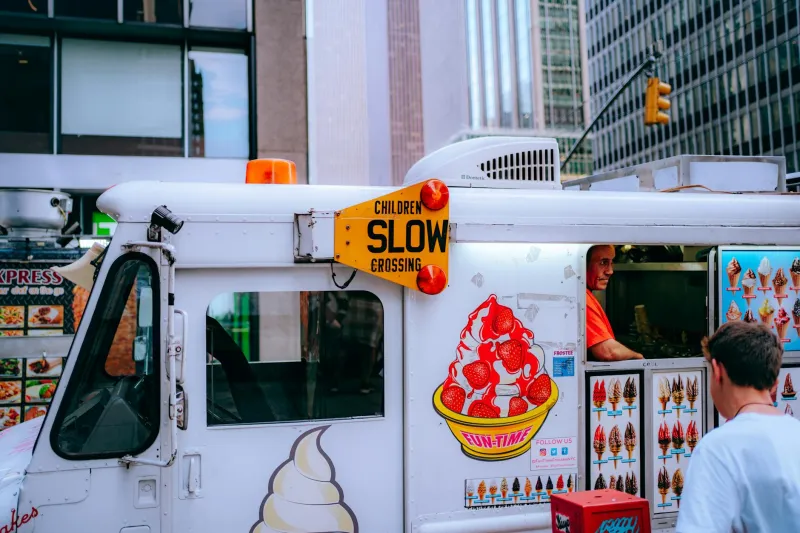
Every summer afternoon around 3:30, you'd hear it — that tinkling melody drifting through suburban streets, getting louder as it approached your corner. The ice cream truck didn't just wander randomly through neighborhoods. Behind that cheerful exterior was a delivery system so precisely calibrated that modern logistics companies would be impressed.
Your local ice cream man knew things that no algorithm could calculate. He knew that the Henderson kids got home from soccer practice at 4:15 on Tuesdays. He knew Mrs. Rodriguez always bought popsicles for her grandchildren on Fridays. He knew which streets had the most foot traffic after dinner and which corners would be empty during Little League season.
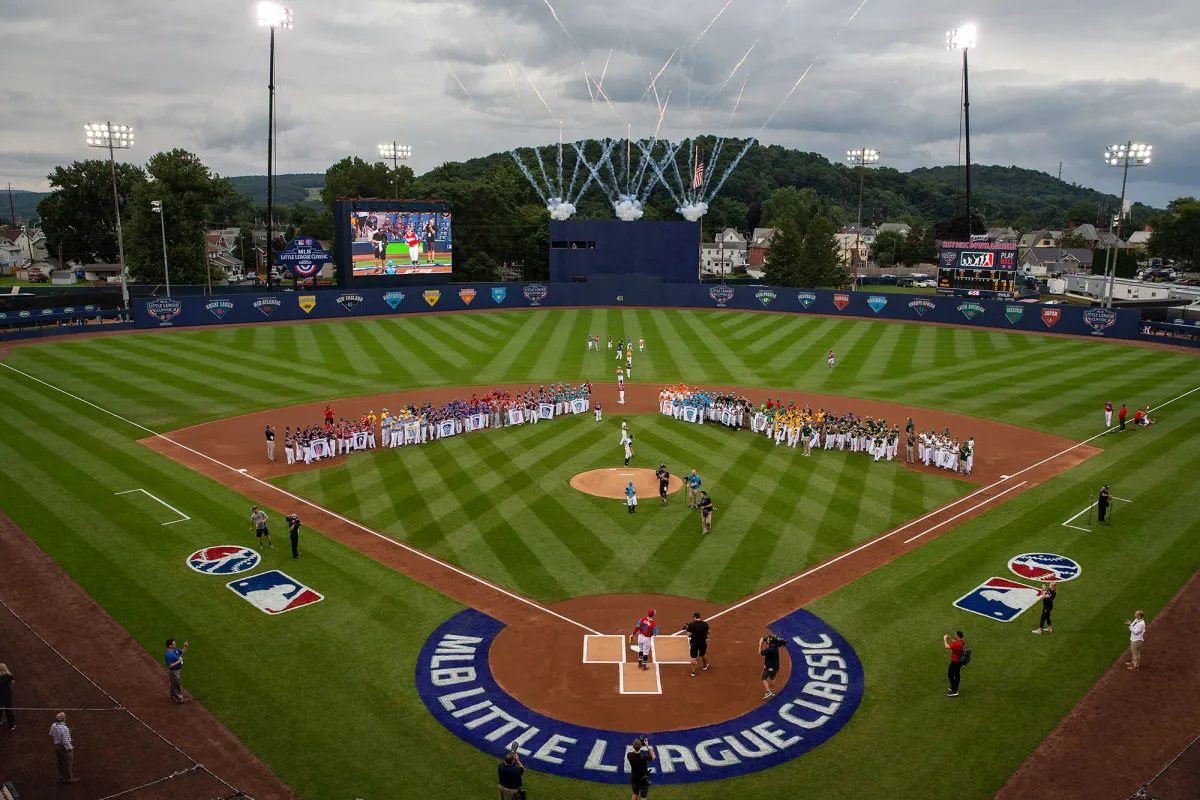 Photo: Little League, via res.cloudinary.com
This wasn't guesswork — it was a masterclass in hyperlocal commerce, built entirely on human memory and community rhythms.
When Every Stop Was Personal
The ice cream truck driver of the 1970s and 80s operated like a one-man Amazon, except he actually knew his customers. He'd remember that little Sarah was allergic to nuts, so he'd suggest the orange push-up instead of the drumstick. He'd know that the teenage boys on Maple Street pooled their money for the expensive ice cream sandwiches, so he'd make sure to stock extra on summer weekends.
 Photo: Maple Street, via images.squarespace-cdn.com
These drivers developed mental maps that would make Google jealous. They knew which streets to hit at what times, factoring in school schedules, weather patterns, and even local events. When the community pool opened for the season, they'd adjust their routes. When school started in the fall, they'd shift their timing by an hour.
The truck itself became a mobile landmark. Parents would tell their kids, "Be home before the ice cream truck comes around again." It was a neighborhood clock that ran on frozen treats and childhood excitement.
The Algorithm That Ran on Relationships
What made the old ice cream truck system remarkable wasn't just the efficiency — it was the intelligence built into every interaction. The driver wasn't just delivering products; he was maintaining a network of relationships that informed every business decision.
He'd notice when families moved away or new ones moved in. He'd adjust his inventory based on conversations with kids about their favorite flavors. He'd even extend informal credit, letting regular customers pay him back the next day if they were short on change.
This wasn't just good customer service — it was data collection and route optimization happening in real time, powered by human observation instead of tracking pixels.
When Speed Wasn't the Point
Today's delivery economy obsesses over speed. Same-day shipping. Thirty-minute delivery windows. Real-time tracking that tells you exactly when your driver will arrive.
The ice cream truck operated on a different principle entirely. It wasn't about getting there fast — it was about being exactly where you needed to be, exactly when people expected you. The truck's slow crawl through neighborhoods wasn't inefficient; it was strategic. The music wasn't just marketing; it was a communication system that gave kids time to run inside, grab their money, and catch up before the truck turned the corner.
That deliberate pace created anticipation and community gathering. Kids would hear the music from three streets away and start mobilizing. Parents would emerge from houses with dollar bills. Neighbors would chat while their children made impossible decisions between rocket pops and ice cream sandwiches.
The Human Touch That Algorithms Can't Replicate
Modern delivery services can tell you everything about their drivers — their location, their rating, their estimated arrival time. But they can't tell you that your driver remembers you prefer the cherry popsicles or that he'll wait an extra minute while you run inside to get money.
The ice cream truck driver knew things that no app could track: which kids were saving up for the expensive treats, which families were going through tough times, which neighborhoods would be busy on any given day. He operated with a kind of emotional intelligence that made every transaction feel personal.
When the Johnsons' house was for sale, he'd know to skip that stop. When the Martinez family had their baby, he'd remember to ask how things were going. These weren't just business relationships — they were community connections that happened to involve frozen treats.
What We Gained and Lost
Today's delivery economy gives us incredible convenience. We can get ice cream delivered to our door in twenty minutes without ever leaving the couch. We can track our order in real time and rate our experience afterward.
But something fundamental changed when we replaced human intuition with algorithmic efficiency. Modern delivery drivers follow GPS routes optimized by computers, not community knowledge. They're rated on speed and accuracy, not on whether they remember your kids' names or know to stock extra bomb pops during the first week of summer vacation.
The old ice cream truck system wasn't just about frozen treats — it was about a kind of commerce that ran on relationships instead of data points. It was inefficient in all the ways that mattered most: it was slow, personal, and impossible to scale.
The Neighborhood Network We Left Behind
The ice cream truck represented something larger than dessert delivery — it was a symbol of community-scale business that operated on trust, memory, and human connection. The driver wasn't just a vendor; he was part of the neighborhood ecosystem, as reliable as the mail carrier and as welcomed as the first warm day of spring.
When we marvel at the sophistication of modern logistics, it's worth remembering that we once had a delivery system that knew exactly where to be and when to be there, all without a single satellite or line of code. It ran on something much more complex and irreplaceable: the simple act of paying attention to the people and places that made up a community.
That's a kind of intelligence no algorithm has ever been able to replicate.