The Golden Age of Pocket Change Entertainment
In 1955, Joe DiMaggio was dating Marilyn Monroe, Disneyland had just opened, and you could catch the latest Hollywood picture for a quarter. Not adjusted for inflation — an actual 25 cents. For context, that same quarter could buy you a Coca-Cola, a candy bar, or a local newspaper. Going to the movies wasn't a financial decision; it was what you did on a Tuesday night because you were bored.
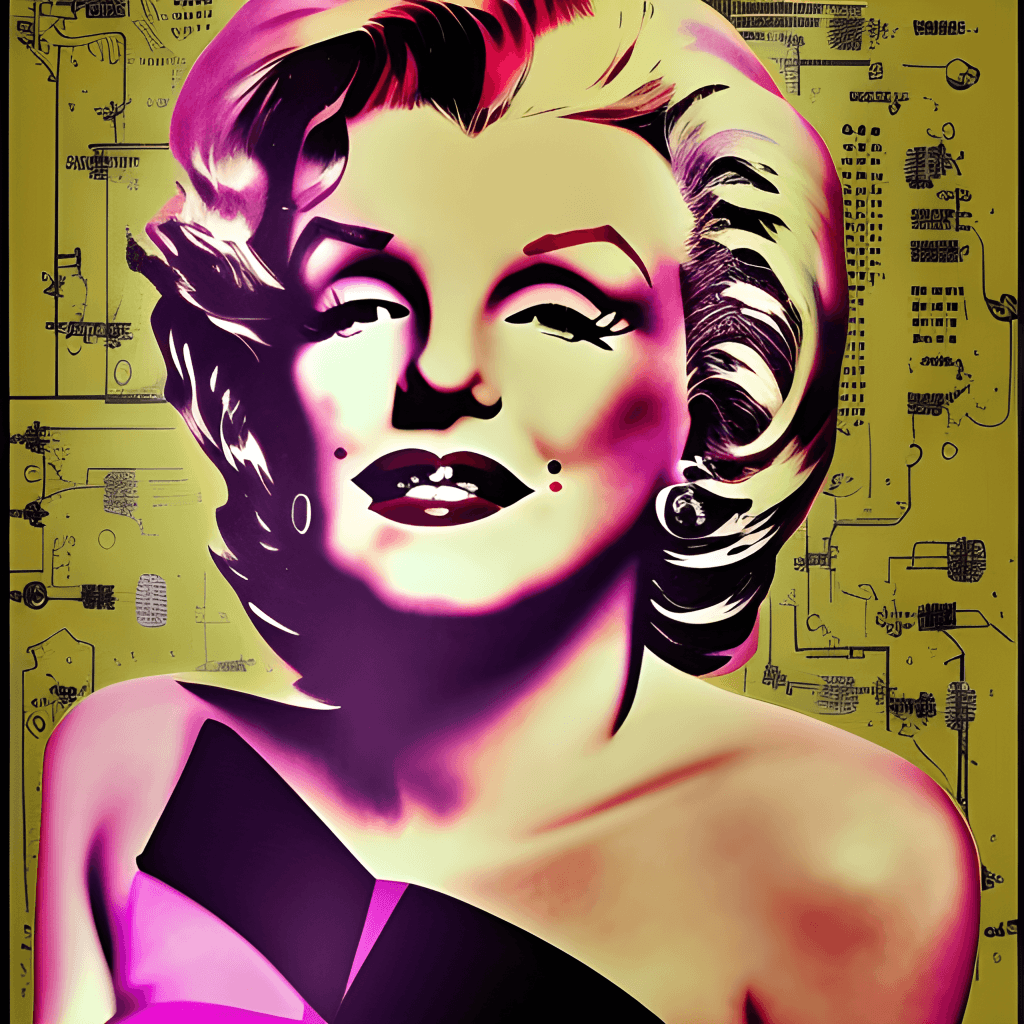 Photo: Marilyn Monroe, via www.creativefabrica.com
Fast-forward to today, and that casual entertainment has become a budget line item. The average movie ticket in America now costs $10.78, but that's just the beginning. Add in a medium popcorn ($8), a drink ($6), parking in most cities ($5-15), and maybe some candy ($4), and you're looking at $35-45 per person for what was once a spontaneous 25-cent pleasure.
When Hollywood Needed Your Business
The economics of movie-going in the 1950s and 60s were fundamentally different. Theaters competed fiercely for customers, not just with each other but with television, which was rapidly becoming America's new entertainment king. Drive-in theaters offered double features for 50 cents per carload. Downtown movie palaces ran matinee specials and gave away dishes on certain nights. The industry needed to keep prices low to keep seats filled.
Theaters also made most of their money from ticket sales, not concessions. That $6 bucket of popcorn that costs theaters about 60 cents to make didn't exist as a profit strategy. Concession stands were modest affairs — some candy, popcorn, and drinks at reasonable markups. The idea of paying $4 for a box of candy that costs $1 at the drugstore would have seemed absurd.
The Multiplex Revolution Changed Everything
The shift began in the 1970s with the rise of multiplex theaters in suburban shopping malls. These new venues had higher overhead costs — more screens meant more projection equipment, more staff, and higher rent. But they also discovered something powerful: captive audiences would pay premium prices for food and drinks.
By the 1980s, the business model had flipped. Theaters began viewing tickets as loss leaders and concessions as the real moneymaker. Today, theaters typically keep only 20-25% of ticket revenue (the rest goes to distributors and studios), but they keep 85% of concession sales. That $8 popcorn isn't just overpriced — it's literally keeping the lights on.
The Hidden Costs of Modern Movie-Going
Beyond the sticker shock at the box office, modern movie-going carries costs that didn't exist in the golden age. Parking fees have become standard in most cities. Reserved seating means you can't just show up and find a spot. Premium formats like IMAX or Dolby can push ticket prices to $20 or more.
Then there's the streaming paradox. Americans now pay for multiple streaming services — Netflix, Disney+, Amazon Prime, HBO Max — spending an average of $47 monthly on at-home entertainment. We're essentially paying twice: once for the convenience of home viewing, and again for the experience of seeing films on the big screen.
What We Lost in Translation
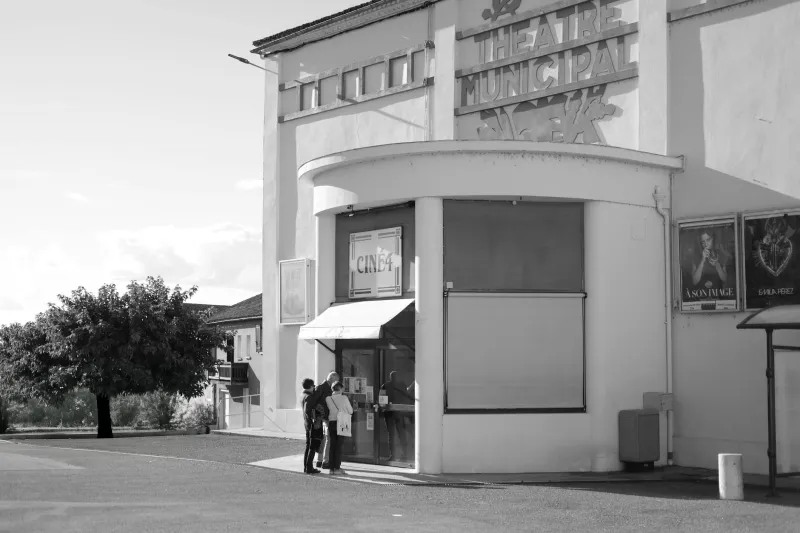
The casualness of movie-going was about more than just price. In the 1950s and 60s, theaters were neighborhood institutions. You'd walk to the local cinema, maybe see the same ticket-taker week after week, and catch a double feature that might include a cartoon, a newsreel, and two full-length films. It was social infrastructure, not just entertainment.
Today's movie experience is more polished but less accessible. Reclining seats, surround sound, and crystal-clear digital projection offer technical superiority that would amaze a 1950s audience. But that technical excellence comes with a price tag that has effectively priced out the casual movie-goer.
The Economics of Fun
When economists talk about "discretionary spending," they're describing exactly what happened to movie-going. What was once an impulse purchase became something families budget for, plan around, and often skip entirely. The average American household went to the movies 4.6 times per year in 2019, down from over 20 times per year in the 1940s.
This shift reflects a broader change in how Americans think about entertainment. The quarter movie ticket existed in an era when entertainment was designed to be accessible to working-class families. Today's entertainment industry increasingly targets higher-income consumers who can afford premium experiences.
The Full Circle Moment
Interestingly, we may be witnessing a return to the convenience model of the past, just with different economics. Streaming services offer the all-you-can-watch model that drive-in double features once provided. Home theater technology brings the cinema experience to living rooms. And services like MoviePass (before its spectacular failure) tried to recreate the casual, frequent movie-going of earlier eras.
But something fundamental has been lost in translation. The 25-cent movie ticket represented more than affordable entertainment — it was a promise that leisure and culture should be accessible to everyone, not just those who could afford to make it a special occasion. In our rush toward premium experiences and profit maximization, we've turned one of America's most democratic pastimes into something approaching luxury consumption.
The quarter movie ticket wasn't just cheaper — it was a different philosophy entirely about who deserved to have fun, and how often they deserved to have it.