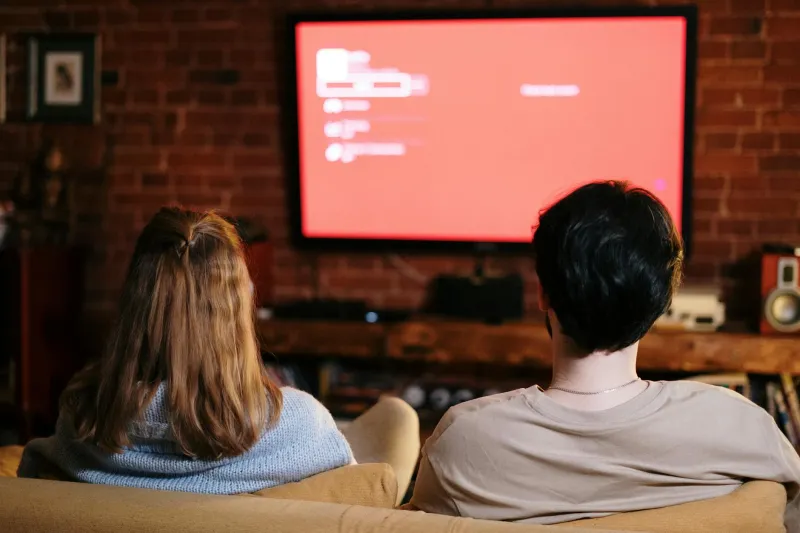
Every Tuesday at 8 PM, America stopped what it was doing. Not for a national emergency or breaking news, but for "Happy Days." Across the country, 60 million people settled into their living rooms to watch Fonzie and the gang, creating a shared cultural moment that today's entertainment landscape has made virtually impossible.
This wasn't unique to one show. It was how television worked for the first four decades of American broadcasting—a collective experience that shaped not just what we watched, but how we connected as a society.
When Choice Meant ABC, CBS, or NBC
Imagine explaining today's TV landscape to a 1970s family: thousands of channels, unlimited streaming libraries, and the ability to pause live television. They'd probably ask why anyone would want such chaos when three networks provided everything America needed to watch.
Those three channels—ABC, CBS, and NBC—programmed the nation's evenings with the precision of train schedulers. Prime time began at 8 PM sharp (7 PM in Central time), and programming blocks moved audiences seamlessly from comedy to drama to late-night talk shows. Miss your show? Wait until summer reruns or hope a friend could fill you in on what happened.
This scarcity created something that seems impossible today: appointment television that actually mattered. "All in the Family" drew 50 million viewers weekly—roughly one in four Americans. The final episode of "MAS*H" in 1983 attracted 106 million viewers, a number that represents nearly half the country's population at the time.
The Economics of Shared Attention
Television's three-network monopoly created an advertising goldmine that modern marketers can only dream about. When "Dallas" asked "Who Shot J.R.?" in 1980, the answer drew 83 million viewers—the largest audience in TV history for a regular series episode. Advertisers paid premium rates because they knew exactly where America's attention would be on November 21st at 10 PM.
This concentrated viewership supported programming budgets that seem lavish by today's standards. Networks could afford to develop shows slowly, nurture audience loyalty, and take creative risks because they had a captive audience with nowhere else to go.
The math was simple: three networks splitting 200 million viewers meant each show reached massive audiences that justified enormous production investments. Today's streaming services fight over fragmented audiences, with hit shows celebrating viewership numbers that wouldn't have kept a 1975 series on the air for a full season.
When Everyone Spoke the Same TV Language
Walk into any American workplace on Wednesday morning in 1978, and you'd hear the same conversations. Last night's "Laverne & Shirley" episode, the surprise guest on "The Tonight Show," or whatever drama unfolded on "Dallas." Television provided a common cultural vocabulary that transcended regional, economic, and social differences.
This shared viewing experience created cultural moments that unified the country in ways that seem almost quaint today. The "Who Shot J.R.?" phenomenon spawned t-shirts, betting pools, and international news coverage. When Luke and Laura married on "General Hospital," 30 million Americans watched—more than most Super Bowls.
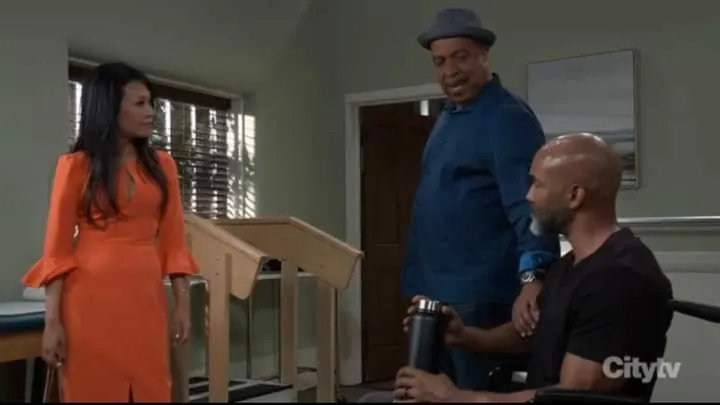 Photo: General Hospital, via i.pinimg.com
These weren't just entertainment events; they were cultural touchstones that created genuine shared experiences across a diverse nation. Everyone watched the same commercials, laughed at the same jokes, and debated the same plot twists.
The Great Fragmentation
Cable television began eroding this shared experience in the 1980s, but the real fracture came with streaming services and on-demand viewing. Today's entertainment landscape offers infinite choice and zero shared experience. Netflix releases entire seasons at once, eliminating the weekly anticipation that once united viewers. Algorithms create personalized viewing bubbles that ensure no two people see the same recommendations.
The numbers tell the story of this fragmentation. The highest-rated scripted TV episode of 2023 drew about 18 million viewers—a number that would have meant instant cancellation in 1975. Today's "hit" shows often celebrate audience numbers that barely register in the modern media landscape.
We've traded the tyranny of limited choice for the chaos of unlimited options, and something essential was lost in the exchange.
The Social Cost of Infinite Choice
Modern streaming offers undeniable advantages: watch what you want, when you want, without commercial interruption. But this convenience came with an unexpected price—the death of cultural common ground.
Today's water cooler conversations require careful navigation. "Did you see that show about...?" often ends with blank stares because chances are, nobody else watched the same thing you did. The shared cultural references that once united Americans have splintered into thousands of niche fandoms and personalized viewing habits.
This fragmentation extends beyond entertainment into deeper social divisions. When Americans no longer share the same cultural touchstones, we lose opportunities for connection across political, economic, and social lines. The family gathering around a single TV set has been replaced by individuals staring at separate screens, consuming content tailored to their existing preferences.
What Three Channels Gave Us
The era of limited television choices seems primitive by today's standards, but it created something modern entertainment can't replicate: genuine shared experience. When everyone watched the same shows at the same time, television became a unifying cultural force that brought Americans together around common stories and characters.
We've gained infinite choice and personalized entertainment, but we've lost the simple pleasure of knowing that millions of our neighbors were laughing, crying, and wondering alongside us. In our rush toward customized content, we've created an entertainment landscape that serves our individual tastes perfectly while leaving us culturally isolated.
The three-channel universe may be gone forever, but its legacy reminds us that sometimes, the best experiences are the ones we share—even if that means giving up the remote control.