You'd Barely Recognize the Grocery Store Your Great-Grandparents Shopped In
You'd Barely Recognize the Grocery Store Your Great-Grandparents Shopped In
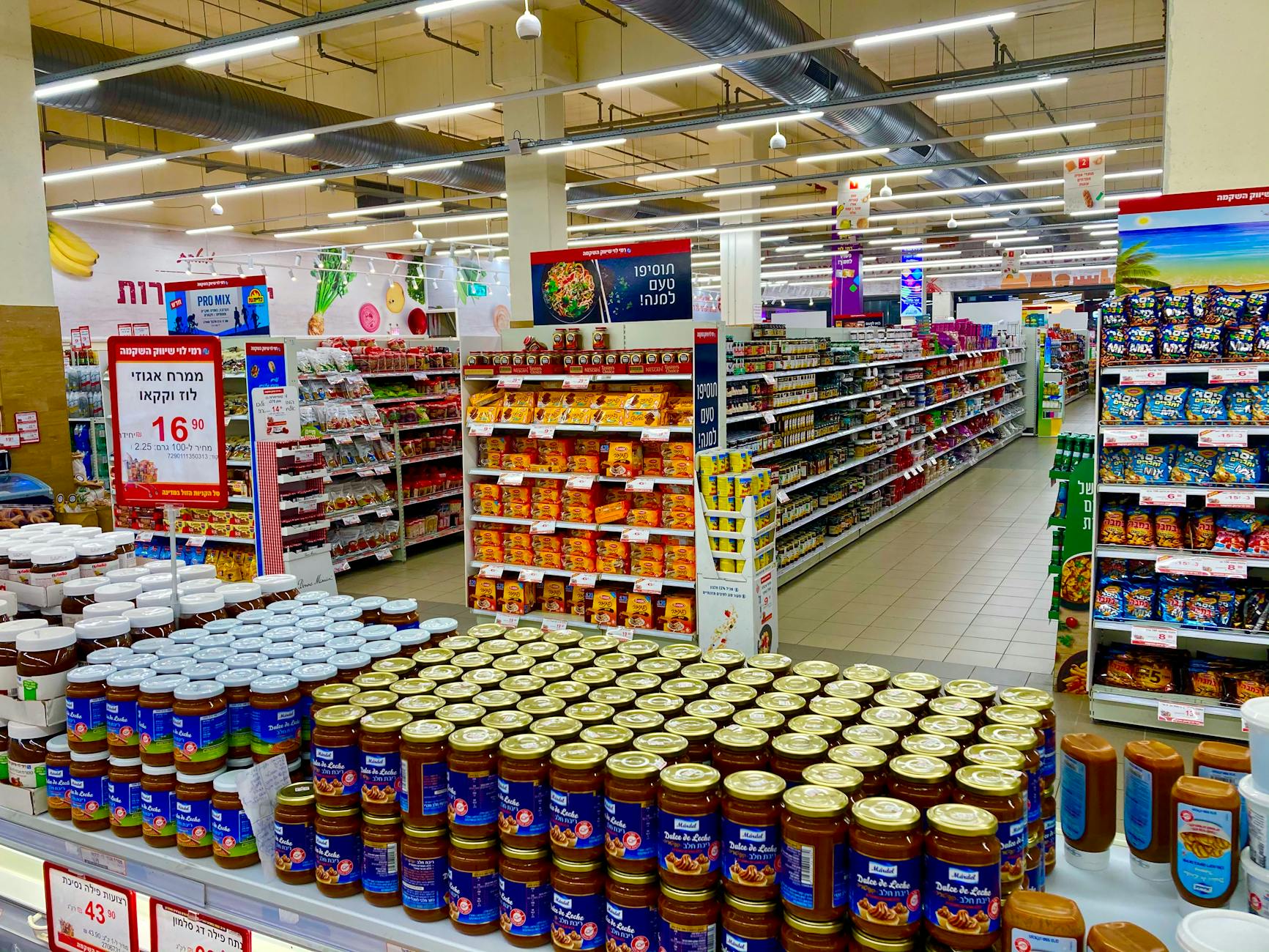
Next time you're standing in a grocery store aisle, slightly overwhelmed by the seventeen varieties of almond butter staring back at you, consider this: a hundred years ago, the concept of choosing your own groceries off a shelf was itself a radical idea. The average American shopper didn't browse. They handed a written list to a clerk behind a counter, waited while someone else gathered their items, and went home with whatever the store had in stock that day.
The supermarket as we know it — vast, self-service, stocked with tens of thousands of products from every corner of the planet — is a genuinely modern invention. And the story of how it got here says as much about American culture, wealth, and psychology as it does about food.
The Counter and the Clerk: Grocery Shopping Before Self-Service
In the early 1900s, most Americans bought their food from small, specialized shops. You went to the butcher for meat, the bakery for bread, the dry goods store for staples like flour, sugar, and coffee. In urban neighborhoods, pushcart vendors covered fresh produce. These weren't just shopping trips — they were social rituals, built around relationships with individual merchants who knew their customers by name.
The general store, more common in rural areas, offered a broader range of goods under one roof. But the experience was still counter-based. You told the shopkeeper what you needed, they retrieved it, and you paid. The idea of a customer wandering freely through a store, picking up items and deciding on the spot, simply wasn't how commerce worked.
This model had real limitations. It was slow. It required a lot of staff. And it gave individual merchants enormous control over what customers could access and at what price.
The Self-Service Revolution Nobody Saw Coming
The shift began in 1916, when a Tennessee entrepreneur named Clarence Saunders opened a store in Memphis called Piggly Wiggly. The concept was almost shockingly simple: let customers walk through the store themselves, pick up their own items from open shelves, and pay at a checkout counter on the way out.
It sounds obvious now. At the time, it was genuinely strange. Shoppers had to be guided through the layout with turnstiles and one-way aisles. But the concept spread fast, because the economics were undeniable. Fewer clerks meant lower costs. Lower costs meant lower prices. Lower prices meant more customers.
By the 1930s, the self-service grocery store was becoming mainstream. The Great Depression accelerated the trend — consumers were hunting for every possible saving, and larger, more efficient stores could offer it. The term "supermarket" entered common use around 1933, describing a new category of store that combined high volume, low margins, and self-service under one roof.
King Kullen, which opened in Queens, New York in 1930, is often credited as the first true supermarket in the American sense. It was enormous by the standards of the time — roughly 6,000 square feet — and advertised itself as the "world's greatest price wrecker."
When the Shelves Started Filling Up
Early supermarkets were impressive by 1930s standards but would look sparse to modern eyes. The product range was limited — mostly dry goods, canned items, and basic produce. Refrigeration was primitive, which meant fresh meat and dairy were still often purchased separately.
Several technological and industrial shifts changed that quickly.
Frozen food went commercial in the late 1920s, thanks largely to Clarence Birdseye, who developed a practical method of flash-freezing that preserved texture and flavor. By the late 1940s, frozen food sections were appearing in supermarkets across the country. The TV dinner arrived in 1953, and with it, a whole new category of consumer behavior.
Breakfast cereal had actually been around since the late 1800s — Kellogg's Corn Flakes launched in 1906 — but the postwar era turned it into a cultural phenomenon. Marketing directed at children, combined with rising postwar prosperity and a growing appetite for convenience, caused the cereal aisle to explode with options through the 1950s and 1960s.
Store-brand products — the generic or "private label" goods that now account for roughly 20% of all supermarket sales — began appearing seriously in the 1970s, when inflation pushed consumers to look for cheaper alternatives to national brands. They were initially positioned as budget options, often in plain packaging. Today, store brands in many categories are actively marketed as premium alternatives.
40,000 Choices and the Psychology Behind Them
The average American supermarket today carries somewhere between 30,000 and 50,000 distinct products, depending on its size. That number has roughly tripled since the 1970s. The growth hasn't been driven purely by consumer demand — it's been driven by manufacturers competing for shelf space, retailers seeking margin, and a food industry that has become extraordinarily sophisticated at creating products that feel new and necessary.
The layout of a modern supermarket is the result of decades of behavioral research. Produce near the entrance creates a fresh, healthy first impression. Dairy and bread at the back force shoppers to walk through the entire store. Eye-level shelves command premium placement fees from manufacturers. The smell of fresh-baked bread pumped through the ventilation system isn't accidental.
And increasingly, the store itself isn't even the final frontier. Online grocery ordering, curbside pickup, and same-day delivery services have added another layer to a system that began with a handwritten list passed across a wooden counter.
A Weekly Errand That Reflects a Century of Change
The grocery run is so routine that most people do it on autopilot. But pause for a moment and consider what it actually represents: a supply chain spanning dozens of countries, a marketing apparatus worth billions of dollars, a century of food science and refrigeration technology, and a retail philosophy that has been refined and optimized continuously since Clarence Saunders first let customers help themselves in Memphis.
Your great-grandmother's clerk-behind-the-counter experience wasn't worse, exactly. It was just a completely different relationship with food, commerce, and choice. The supermarket didn't just change where Americans shop. It changed how they eat, what they expect, and in some ways, who they are as consumers.
Not bad for a trip to pick up milk and eggs.