EraToGap Home

Category

Finance

63 articles

The Frames You Wore for Twenty Years — When Eyeglasses Were Built to Last and Nobody Expected Otherwise

The Frames You Wore for Twenty Years — When Eyeglasses Were Built to Last and Nobody Expected Otherwise

In 1987, you went to the optometrist, picked out a pair of frames from a small rotating display, and wore them for the better part of a decade without giving it a second thought. Today, eyewear is a fashion category with seasonal collections, fast-fashion competitors, and a cultural expectation that you'll cycle through multiple pairs a year. The glasses haven't gotten worse — the system around them has just gotten a lot more expensive.

The Index Card That Knew Everything: When Home Cooking Was Knowledge You Actually Owned

The Index Card That Knew Everything: When Home Cooking Was Knowledge You Actually Owned

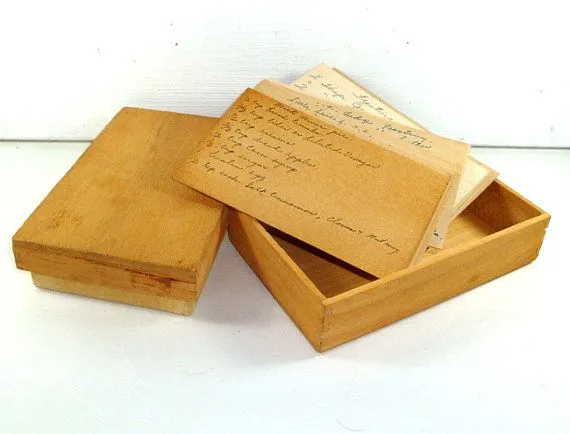
For generations, American home cooks didn't need an app, a subscription box, or a YouTube tutorial. They had a recipe box, a mother's handwriting, and skills they'd been building since childhood. The shift from that kind of cooking to the algorithm-driven, content-saturated food culture we live in now quietly changed how families eat, spend, and connect around the table.

The Car in the Driveway Used to Be Yours Forever — Now You're Just Renting It and Calling It Ownership

The Car in the Driveway Used to Be Yours Forever — Now You're Just Renting It and Calling It Ownership

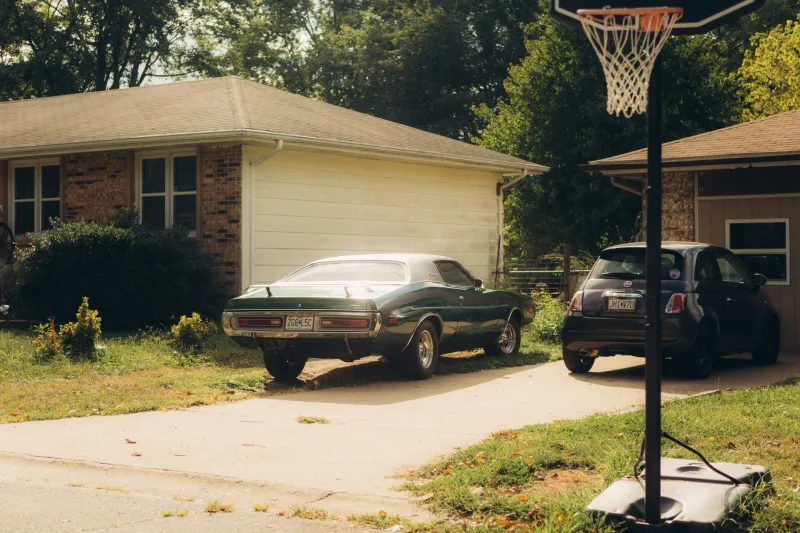
There was a time when an American family bought a car, drove it for fifteen or twenty years, and handed it down to the next generation. Today, millions of Americans are locked into perpetual lease cycles, trading vehicles every three years and never actually owning what they're paying for. That shift from ownership to access has quietly reshaped household wealth — and the very idea of what it means to pay something off.

Nickels, Trades, and Hustle: When American Kids Had Their Own Working Economy

Nickels, Trades, and Hustle: When American Kids Had Their Own Working Economy

A generation ago, American kids didn't just learn about money in the abstract — they earned it, traded it, and lost it in a thriving informal economy built from bottle deposits, baseball card deals, lemonade stands, and neighborhood odd jobs. That hands-on financial training ground has largely disappeared, and the consequences for how young Americans understand money are more significant than most people realize.

When Getting Sick Was Just Getting Sick — Before Illness Became a Financial Emergency

When Getting Sick Was Just Getting Sick — Before Illness Became a Financial Emergency

There was a time when coming down with a bad flu meant a few days in bed, a quick visit to the family doctor, and a cheap prescription from the corner pharmacy — not a cascade of financial decisions that could derail a household budget. Getting sick used to be a human inconvenience. Somewhere along the way, it became one of the most expensive things that can happen to an ordinary American.

The Shelf That Held Everything Your Family Knew — Before Knowledge Stopped Costing Anything

The Shelf That Held Everything Your Family Knew — Before Knowledge Stopped Costing Anything

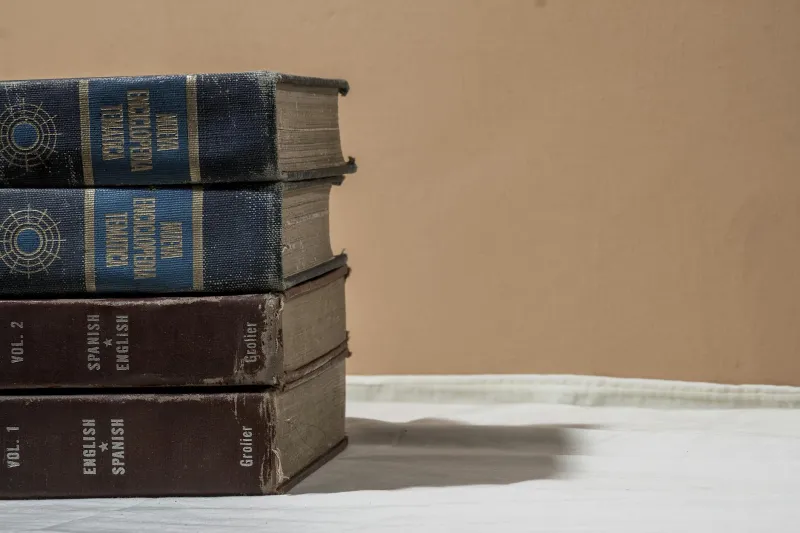
For decades, American families stretched their budgets to buy a set of encyclopedias — heavy, expensive volumes that represented a genuine sacrifice and a genuine belief that knowledge was worth paying for. Today that same information is available in seconds, for free, from a device in every pocket. The strange thing is that we may have valued it more when it cost something.

The Guy Three Doors Down Who Could Fix Anything — And Never Sent You an Invoice

The Guy Three Doors Down Who Could Fix Anything — And Never Sent You an Invoice

There used to be a man on every block who could patch a leaky pipe, rehang a stuck door, or rewire a busted outlet — and his rate was somewhere between a handshake and a home-cooked meal. That informal repair economy quietly held American neighborhoods together for decades. Then it disappeared, and nobody noticed the bill until it arrived.

Cleared Out by Lunch — When Getting Fired Still Came With Human Decency

Cleared Out by Lunch — When Getting Fired Still Came With Human Decency

Three decades ago, losing your job meant a conversation with your manager, a farewell lunch with colleagues, and maybe even a gold watch. Today, it means a Zoom call, a deactivated badge, and security watching you pack your desk. Somewhere along the way, Corporate America forgot that layoffs happen to human beings.

The Cobbler, the Radio Doctor, and America's Lost Art of Making Things Last

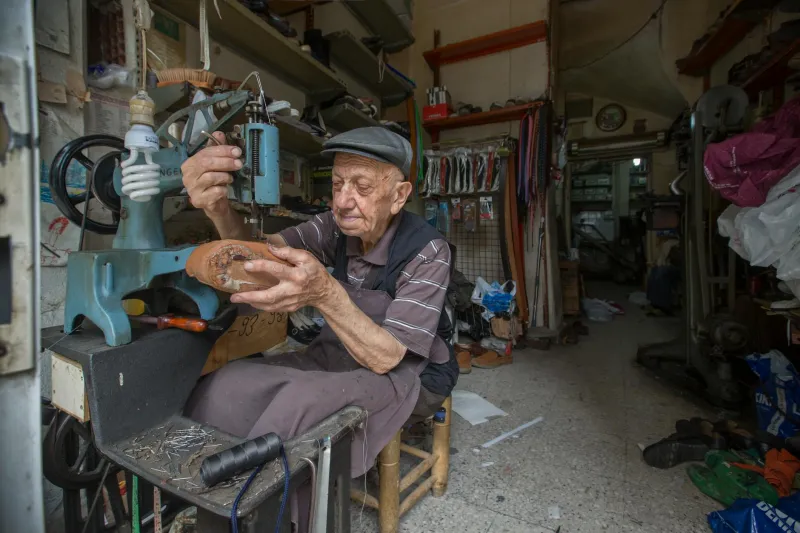
The Cobbler, the Radio Doctor, and America's Lost Art of Making Things Last

Not long ago, every American neighborhood had shops dedicated to bringing broken things back to life—cobblers for shoes, radio repairmen for electronics, and craftsmen who could resurrect almost anything. The disappearance of this repair culture didn't just change how we shop; it fundamentally altered our relationship with the things we own.

Envelope in Hand, Money in Mind: When Americans Actually Touched Their Paychecks

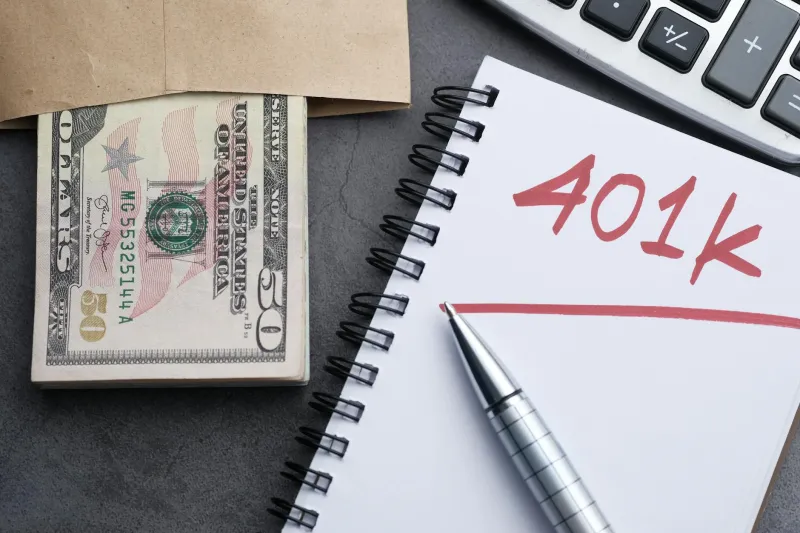
Envelope in Hand, Money in Mind: When Americans Actually Touched Their Paychecks

Before direct deposit became the norm, American workers received physical paychecks in envelopes—a tangible ritual that made earnings feel real and shaped how entire families approached money. The transition to digital payments may have brought convenience, but it quietly erased a cultural moment that once connected workers to the true value of their labor.
The Catalog Economy: When America Shopped by Mail and Liked It That Way

The Catalog Economy: When America Shopped by Mail and Liked It That Way

Long before Amazon Prime, Americans built an entire economy around thick paper catalogs and patient waiting. The Sears catalog alone delivered everything from overcoats to entire houses, creating a shopping culture that modern consumers would find almost unrecognizable.

When a Broken Bone Meant a Hospital Bill, Not a Mortgage Payment

When a Broken Bone Meant a Hospital Bill, Not a Mortgage Payment

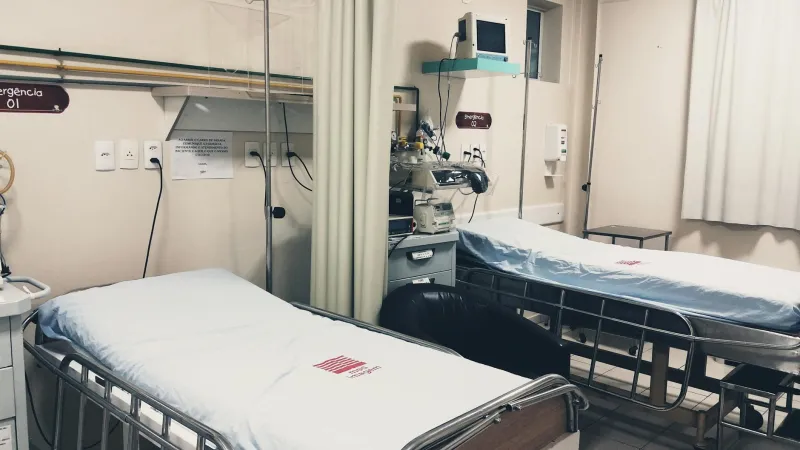
In 1975, a typical emergency room visit cost about what most Americans earned in a day. Today, that same visit can cost more than many people make in a month, transforming medical emergencies from temporary setbacks into financial disasters that follow families for years.
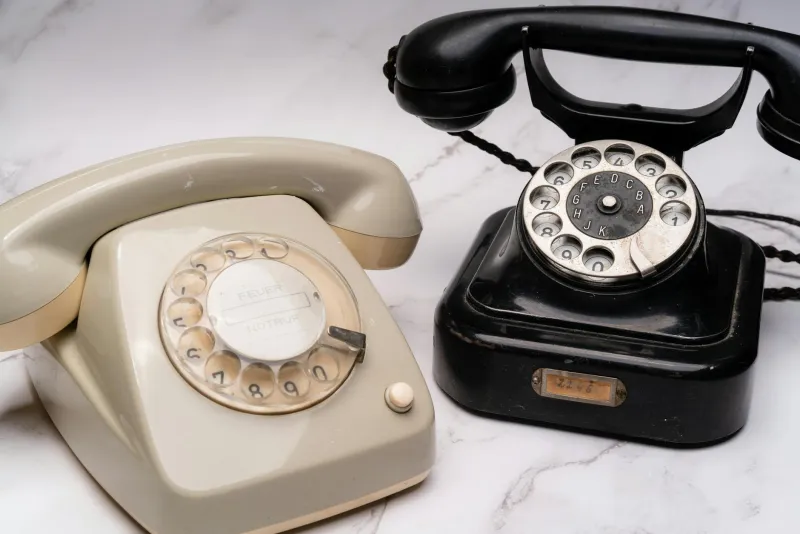
When Lunch Was Sacred: The Disappearance of America's Most Important Hour

When Lunch Was Sacred: The Disappearance of America's Most Important Hour

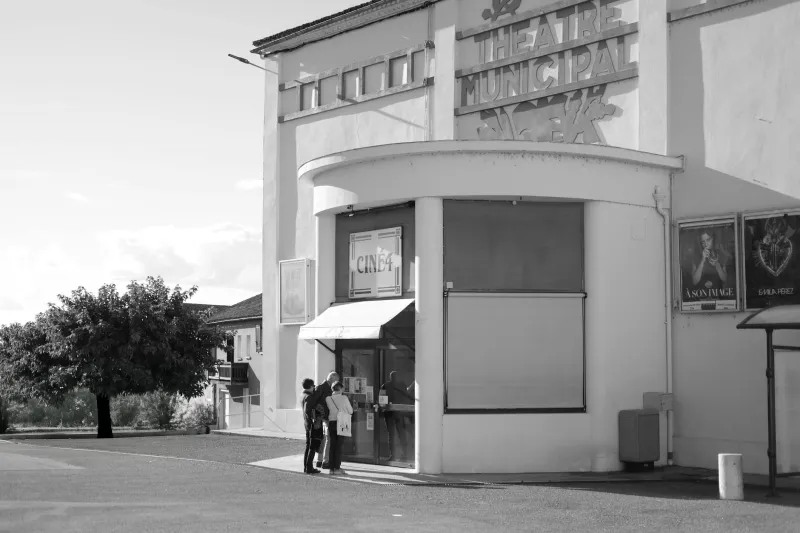
Just fifty years ago, the lunch hour was non-negotiable — a full break that often meant heading home or sitting down at a proper restaurant. Today's desk-side salads and working lunches represent more than convenience; they're evidence of how completely American work culture has transformed.

Bigger Paychecks, Smaller Lives: The Fifty-Year Illusion of American Wage Growth

Bigger Paychecks, Smaller Lives: The Fifty-Year Illusion of American Wage Growth

American workers earn far more dollars today than they did in 1975 — but those extra zeros on the paycheck don't tell the whole story. Once you adjust for what things actually cost, the picture gets uncomfortable fast. A car, a college degree, a week's worth of groceries: the real math might surprise you.

You'd Barely Recognize the Grocery Store Your Great-Grandparents Shopped In

You'd Barely Recognize the Grocery Store Your Great-Grandparents Shopped In

The modern American supermarket — with its 40,000 products, refrigerated aisles, and same-day delivery options — is one of the most dramatic transformations in everyday consumer life. A century ago, buying groceries looked almost nothing like it does today, and tracing that shift reveals a surprising amount about how American life itself has changed.