Your Pills Used to Be Made Just for You — When Pharmacists Were Chemists, Not Cashiers
The Chemist Behind the Counter
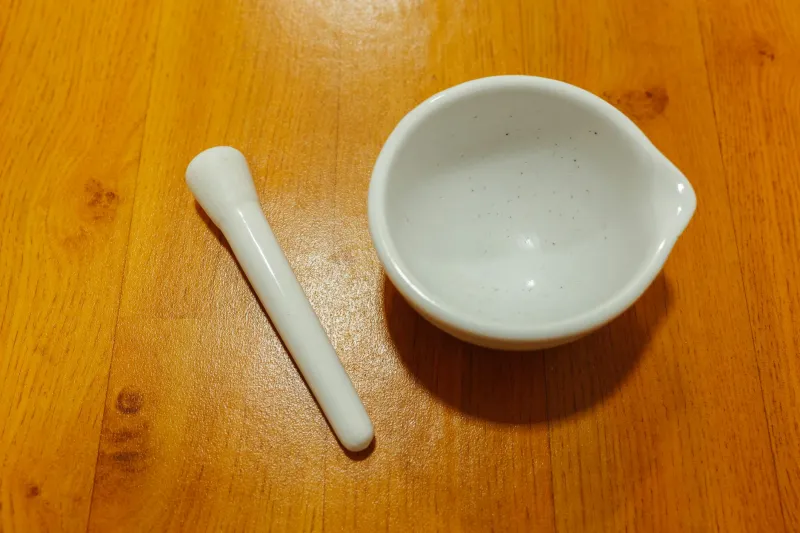
Walk into a pharmacy today, and you'll find aisles of mass-produced medications, a drive-through window, and a pharmacist who might not recognize you if you've been coming there for years. But step into a pharmacy in 1955, and you'd encounter something entirely different: a trained chemist who knew your name, your allergies, and your family's medical history, standing behind a counter equipped with scales, mortars, pestles, and rows of raw pharmaceutical ingredients.
That pharmacist didn't just count pills and slap labels on bottles. He mixed your medicine from scratch, adjusted dosages based on your specific needs, and often served as your family's first medical consultant. The transformation from craftsman to cashier represents one of the most dramatic changes in American healthcare — one that most people barely noticed as it happened.
When Medicine Was Made to Order
In the era before pharmaceutical giants mass-produced every medication, most prescriptions required actual preparation. Dr. Wilson writes a prescription for Mrs. Henderson's arthritis pain, specifying exact amounts of aspirin, caffeine, and codeine to be combined into custom capsules. The pharmacist measures each ingredient precisely, mixes them by hand, fills individual capsules, and provides detailed instructions for use.
This wasn't unusual — it was standard practice. Pharmacists spent years learning chemistry, studying drug interactions, and mastering the art of compounding. They maintained relationships with local physicians, understanding each doctor's prescribing preferences and treatment philosophies. A good pharmacist could spot dangerous drug combinations, suggest alternatives when medications weren't available, and modify formulations for patients with specific allergies or sensitivities.
The corner drugstore functioned as a neighborhood health center. Parents brought feverish children for advice before deciding whether to call the doctor. Workers stopped by for treatment of minor cuts and burns. Elderly patients relied on pharmacists to explain their medications and monitor their progress.
The Personal Touch of Professional Care
Pharmacist Jim Crawford knew every customer who walked into his Indianapolis drugstore. He remembered that Mrs. Peterson couldn't swallow large pills, so he always prepared her heart medication in smaller capsules. He knew Mr. Thompson's diabetes required careful monitoring, so he tracked his insulin purchases and reminded him when refills were due. He understood that the Miller family struggled financially, so he sometimes adjusted quantities to help stretch their medication budget.
This personal relationship extended beyond customer service — it was clinical care. Pharmacists caught prescription errors, identified potential allergic reactions, and provided follow-up consultations. They served as intermediaries between patients and physicians, translating medical terminology into plain English and ensuring patients understood their treatment plans.
The economics supported this model. Independent pharmacies operated on thin margins, but they built customer loyalty through personalized service and professional expertise. Families chose their pharmacist like they chose their family doctor — based on trust, competence, and personal relationships that developed over years.
When Big Business Discovered Small Pills
The transformation began in the 1960s as pharmaceutical companies realized they could manufacture medications more efficiently in large facilities rather than having thousands of pharmacists mixing individual prescriptions. Mass production reduced costs, improved consistency, and allowed for better quality control.
Simultaneously, chain drugstores discovered they could compete with independent pharmacies by offering lower prices and greater convenience. CVS, Walgreens, and other chains standardized operations, centralized purchasing, and focused on volume rather than personalized service.
Insurance companies accelerated this shift by negotiating contracts with chain pharmacies and mail-order services. Patients found their out-of-pocket costs lower at chains, even if they preferred their neighborhood pharmacist's personal attention. Economic pressure gradually forced independent pharmacies out of business or into sale to larger chains.
The Assembly Line Approach
Modern pharmacy practice resembles manufacturing more than healthcare. Prescriptions arrive electronically from doctors' offices, get filled by technicians following standardized procedures, and get dispensed through automated systems. The pharmacist's role shifted from compounding medications to verifying accuracy and providing brief consultations.
This system works efficiently for common medications and straightforward prescriptions. A patient picking up blood pressure medication gets their pills quickly, pays a predictable price, and receives printed information about side effects and interactions. The process is fast, affordable, and consistent.
But something essential was lost in the translation from craft to commerce. Today's pharmacists often work for corporations that prioritize speed and volume over patient relationships. They might fill hundreds of prescriptions per day, leaving little time for the consultations and personal attention that once defined pharmacy practice.
What Personalized Medicine Actually Meant
The old model wasn't perfect — it was slower, sometimes less consistent, and limited by individual pharmacists' knowledge and skills. But it offered something modern pharmacy can't replicate: treatment tailored to individual patients rather than standardized for mass consumption.
When pharmacists compounded medications by hand, they could adjust formulations for patients who couldn't tolerate standard preparations. They could modify dosages for elderly patients or children who needed different concentrations. They could prepare medications in forms that worked better for specific patients — liquids instead of pills, topical creams instead of oral medications, or extended-release formulations for better compliance.
This customization extended beyond medication preparation to patient education and monitoring. Pharmacists had time to explain treatments, answer questions, and track patient progress. They often caught problems early, preventing complications and hospital visits.
The Cost of Convenience
Modern pharmacy offers undeniable advantages: lower costs, greater availability, improved safety protocols, and access to medications that individual pharmacists couldn't prepare. Chain pharmacies stay open longer hours, maintain larger inventories, and provide services like flu shots and health screenings.
But we traded personal relationships for efficiency, customization for standardization, and professional consultation for automated systems. The neighborhood pharmacist who knew your family's medical history was replaced by rotating staff who might not recognize you from one visit to the next.
The financial impact is complex. Mass-produced medications cost less per unit, but the system encourages more medication use overall. Insurance coverage makes prescription drugs affordable for many patients, but it also removes pharmacists from direct payment relationships with customers, reducing their incentive to provide personalized service.
The Revival of the Personal Touch
Interestingly, some aspects of old-style pharmacy practice are returning. Compounding pharmacies specialize in custom-mixed medications for patients with specific needs. Concierge pharmacies offer personalized service for patients willing to pay premium prices. Some independent pharmacies survive by focusing on customer relationships and specialized services.
These modern versions of traditional pharmacy practice reveal what we lost: the peace of mind that comes from working with a healthcare professional who knows your individual needs, the convenience of expert advice available without appointments, and the comfort of personal relationships in an increasingly impersonal healthcare system.
The evolution from chemist to cashier wasn't inevitable — it was a choice driven by economics, efficiency, and consumer preferences for lower prices over personal service. We got what we asked for, but we might not have fully understood what we were giving up in return.