When Baseball Was for Everybody — A Dollar Got Your Family Into the Ballpark and You Still Had Change for Peanuts
The Democracy of the Diamond
Picture this: It's a Saturday afternoon in 1965, and Joe McCarthy — a sheet metal worker from Queens — finishes his morning shift, picks up his wife and three kids, and heads to Yankee Stadium. General admission costs a dollar. The kids get in for fifty cents each. Hot dogs are a quarter, sodas fifteen cents, and a program costs a dime.
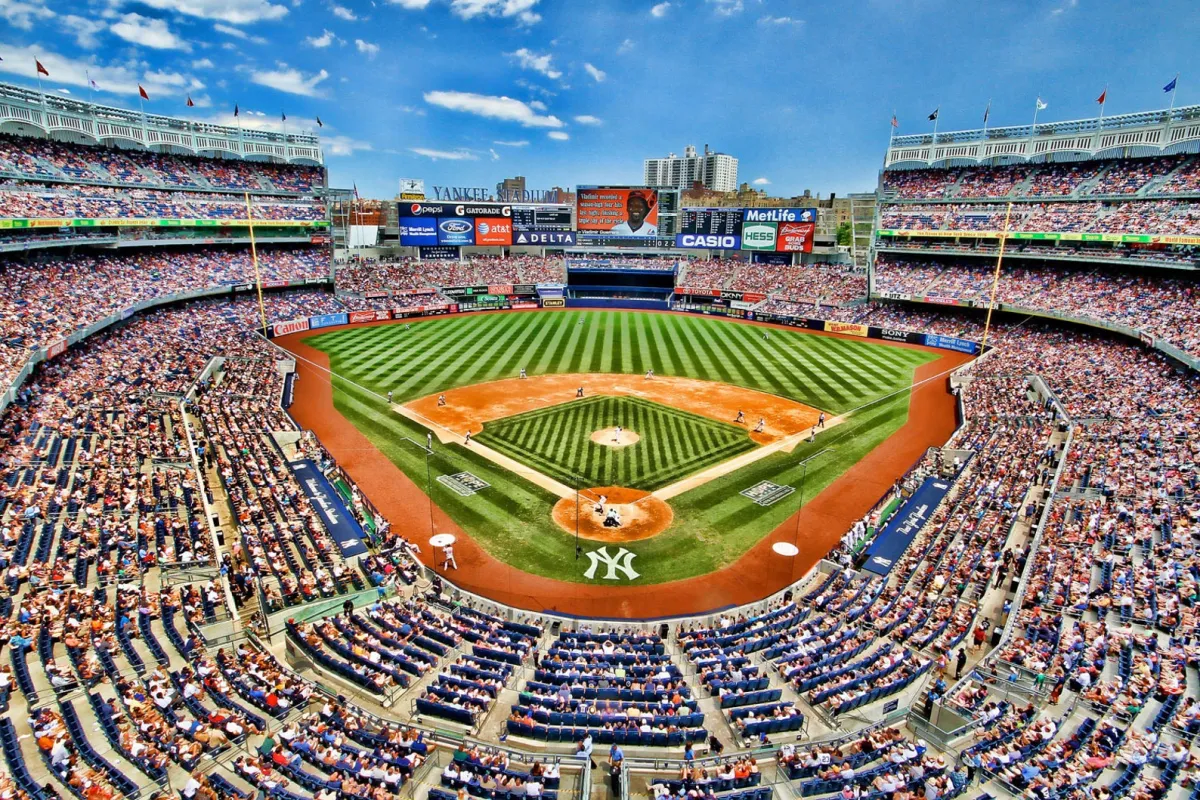 Photo: Yankee Stadium, via i.etsystatic.com
For less than six dollars — about what Joe makes in two hours of work — his entire family watches Mickey Mantle, Whitey Ford, and the defending American League champions play baseball in the cathedral of the sport. They'll eat, drink, cheer, and create memories that last a lifetime, all for the cost of a decent lunch.
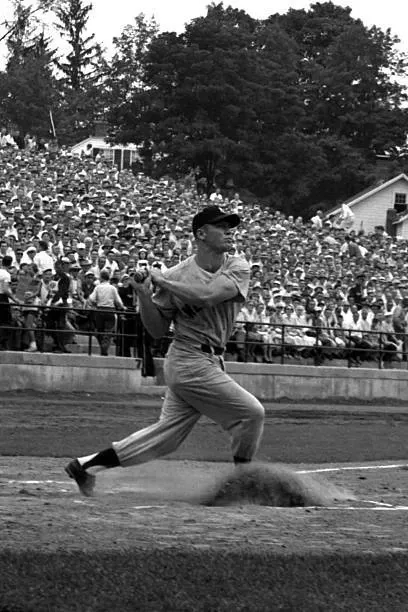 Photo: Mickey Mantle, via www.picclickimg.com
That world is gone. Not just changed, not just more expensive — completely vanished, like it never existed at all.
When Stadiums Served Neighborhoods, Not Corporations
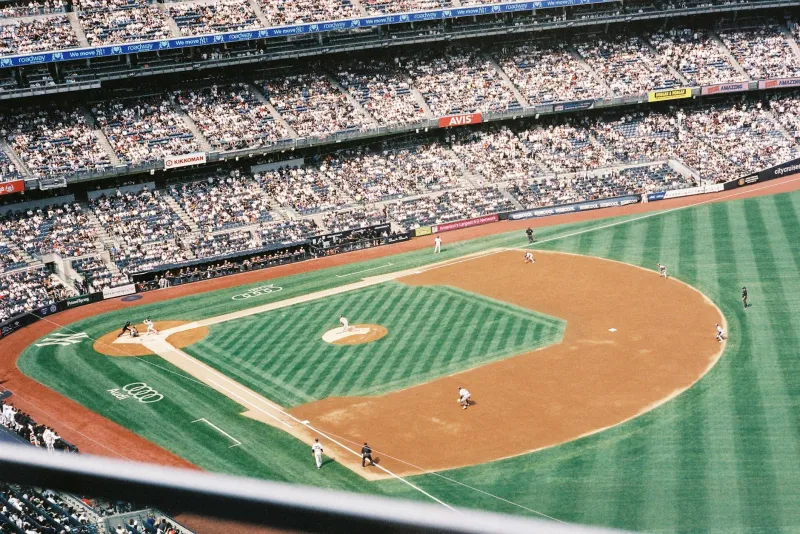
Baseball stadiums in the 1950s and 60s were built for regular people. Fenway Park, Wrigley Field, and the old Yankee Stadium featured thousands of general admission seats where dock workers sat next to accountants, where kids could afford to go with their paper route money, and where showing up early meant getting a good view regardless of your bank account.
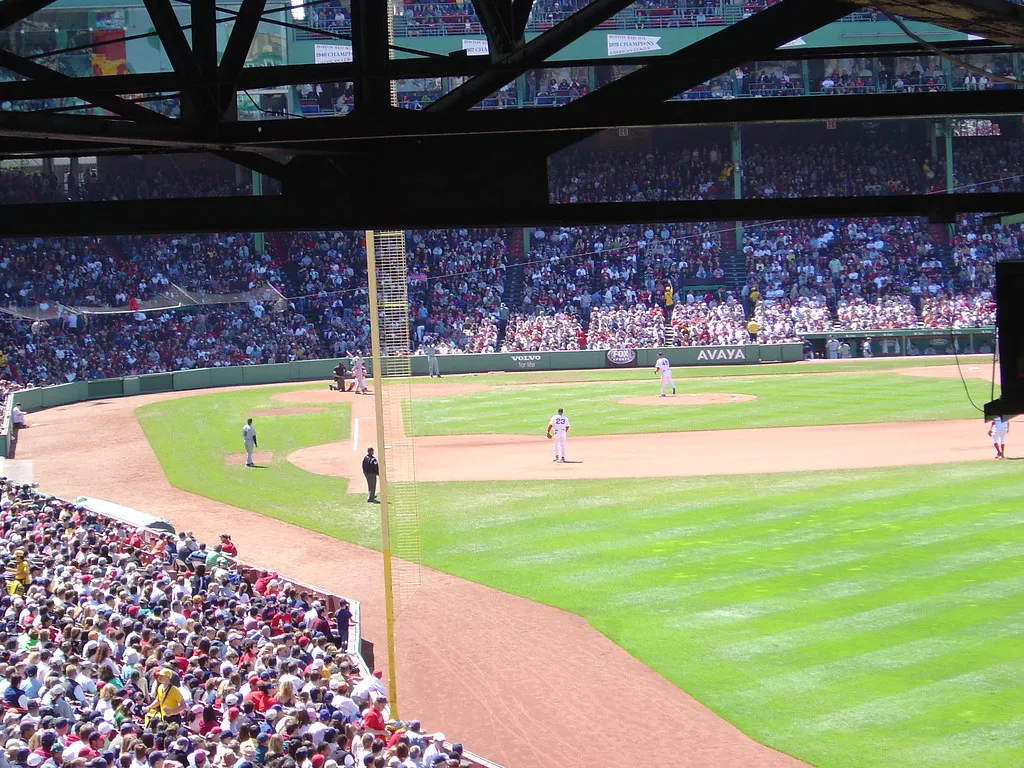 Photo: Fenway Park, via c1.staticflickr.com
The business model was simple: pack the stadium with as many people as possible, sell them food and drinks, and make money through volume. Team owners understood that baseball's popularity depended on accessibility. A sport that only wealthy people could afford to watch wouldn't remain America's pastime for long.
Season tickets existed, but they weren't status symbols. They were practical purchases for serious fans who wanted to guarantee their seats for twenty or thirty home games. Box seats cost more than general admission, but not exponentially more. The difference between the cheapest and most expensive seats was usually less than two dollars.
The Working Class Game
Baseball thrived as working-class entertainment because it fit working-class schedules and budgets. Most games started at 1:30 PM on weekends, perfect for families. Weeknight games began at 7 PM, allowing factory workers to attend after their shifts ended.
Ticket prices reflected this reality. In 1962, when the average American worker earned about $90 per week, a family of four could attend a Detroit Tigers game for under $5 — roughly 5% of a weekly paycheck. Compare that to today: the median household income is about $1,400 per week, but taking a family of four to a Tigers game costs around $200 — more than 14% of weekly earnings.
The math tells the story. Baseball didn't just get more expensive; it got exponentially more expensive relative to what ordinary Americans earn.
When Television Made Everything Worse (And Better)
The transformation began with television, but not how you might expect. Initially, TV helped baseball by creating larger fan bases. Kids who couldn't attend games regularly could follow their teams on Saturday afternoon broadcasts, building loyalty that translated into ticket sales when families could afford to go.
But television also revealed baseball's earning potential. Network executives paid increasing amounts for broadcast rights. Team owners realized they could make serious money from TV contracts, which reduced their dependence on ticket sales for revenue.
This shift fundamentally changed the economics of baseball. Instead of needing to fill every seat to make money, teams could afford to charge higher prices for fewer attendees. The focus shifted from volume to premium pricing, from accessibility to exclusivity.
The Stadium as Shopping Mall
Modern baseball stadiums aren't just ballparks — they're entertainment complexes designed to maximize revenue per visitor. Premium seating areas, club levels, luxury boxes, and corporate sponsorships generate more income than general admission ever could.
Today's stadiums feature restaurants, bars, kids' play areas, team stores, and interactive experiences that keep fans spending throughout the game. A family night at the ballpark isn't just about baseball anymore; it's about consuming a comprehensive entertainment package.
The old stadiums had concession stands that sold hot dogs, peanuts, Cracker Jacks, and beer. The new stadiums have food courts with sushi, craft cocktails, and gourmet burgers. The experience improved in many ways, but the cost increased dramatically.
The Price of Premium Everything
What happened to baseball happened across American entertainment. Concert tickets, theater shows, sporting events — all transformed from accessible entertainment into luxury experiences. The democratization of leisure that characterized mid-century America gave way to market segmentation and premium pricing.
This wasn't necessarily a conspiracy or a deliberate effort to exclude working families. It was economics. As American incomes grew unevenly and wealth concentrated among higher earners, businesses discovered they could make more money selling fewer tickets at higher prices to affluent customers than selling many tickets at low prices to everyone.
The result is a generation of American kids who grow up watching sports on television instead of experiencing them in person. Baseball attendance has declined steadily for decades, not because the sport is less popular, but because fewer families can afford to make stadium visits a regular tradition.
What We Lost Along the Way
The shift from accessible to premium didn't just change who goes to baseball games — it changed the culture of baseball itself. The crowds are quieter, more polite, less raucous. The atmosphere is more controlled, less spontaneous.
Old-time baseball crowds included kids who learned the game by watching closely, adults who understood every strategic decision, and families who passed down team loyalty through generations of shared experiences. Today's crowds include more casual fans who attend games as special occasions rather than regular entertainment.
We gained better facilities, improved amenities, and higher-quality food and drinks. We lost the democracy of the ballpark, where your seat depended on when you arrived rather than what you could afford to pay.
Somewhere between Mickey Mantle and today, baseball stopped being everyone's game and became someone's premium experience. The national pastime became a luxury item, and America lost something it didn't realize it was giving away — the simple pleasure of taking your family to the ballpark without calculating whether you could afford it.