Standing Still Was a Skill — What America Lost When the Wait Disappeared
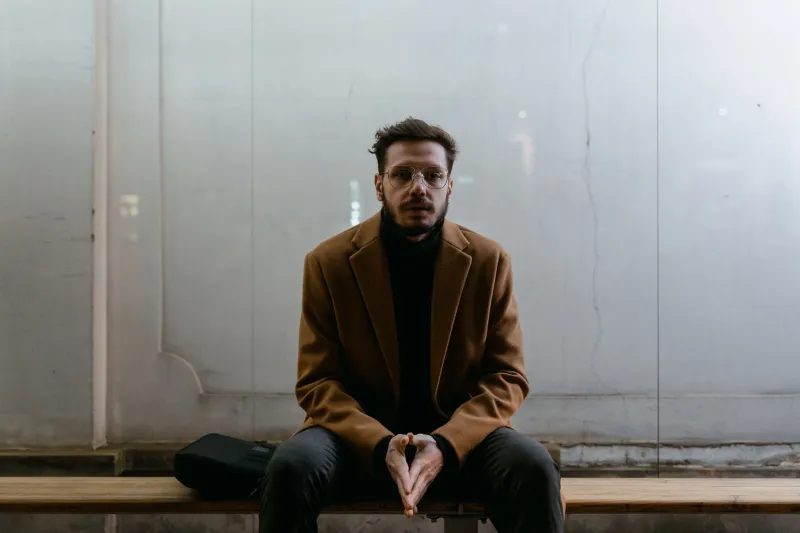
There was a time when a trip to the DMV was basically a half-day commitment. You showed up, grabbed a number, found a seat between a man reading a folded newspaper and a woman knitting something that looked like it might become a sweater, and you waited. Sometimes an hour. Sometimes two. And the strange thing is — you survived it. More than survived it, actually.
Somewhere between staring at the drop ceiling tiles and watching the number board click forward, your mind wandered. You thought about things. Random things. Useful things. Things you hadn't had a quiet moment to think about in weeks.
That's gone now. And we probably should have asked a few more questions before we let it go.
The Waiting Room as Thinking Space
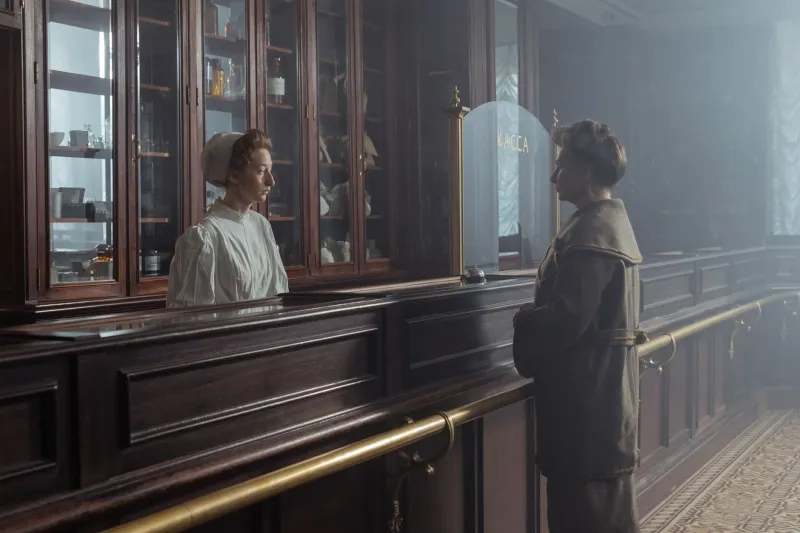
Before smartphones became the default response to any moment of stillness, waiting was just part of American life. The checkout line at the grocery store. The doctor's office with its stack of six-month-old magazines. The post office on a Saturday morning. The bank on a Friday afternoon.
Nobody liked it. That part's worth being honest about. Waiting felt like wasted time, and the frustration was real. But frustration and uselessness are different things, and we confused them.
Because what people were actually doing in those lines — even without realizing it — was something that modern productivity culture would probably charge you $29.99 a month for: unstructured mental downtime. No agenda, no notifications, no one asking anything of you. Just you, your thoughts, and the slow crawl of a queue.
Psychologists have a term for what happens during this kind of idle time. They call it the default mode network — the brain's background processing system that activates when you're not focused on a specific task. It's linked to creativity, problem-solving, self-reflection, and the kind of insight that tends to arrive in the shower or on a long drive. Waiting in line, it turns out, was a pretty reliable trigger for exactly that.
The App That Fixed the Problem Nobody Fully Had
Then came the solutions. Mobile check-in. Virtual queues. Online appointments. Skip-the-line passes. Amazon Prime. DoorDash. Same-day delivery. Telehealth waiting rooms that let you sit in your own kitchen until the doctor's ready.
All of it is genuinely useful. None of it is worth dismissing. The ability to schedule a DMV appointment online instead of showing up and gambling on a two-hour wait is, by any reasonable measure, an improvement in quality of life.
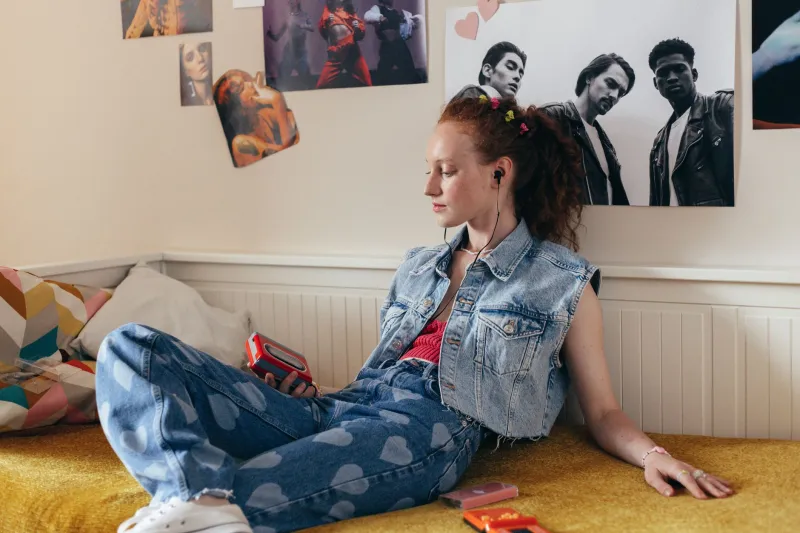
But here's what happened at the same time: the moments we used to spend waiting didn't turn into rest. They turned into scrolling.
The average American now spends somewhere between four and five hours a day on their phone. A significant chunk of that happens in exactly the spaces where waiting used to live — in line, in waiting rooms, in the two minutes before a meeting starts. We didn't reclaim that time for thinking. We filled it with content. Reels, headlines, threads, hot takes, product recommendations, and the occasional viral video of a dog doing something impressive.
The gap between tasks is now a delivery mechanism. Every pause is monetized.
What Boredom Was Actually Doing
The financial angle here is easy to miss, but it's real. Boredom — genuine, unoccupied boredom — used to be the incubator for a lot of American ingenuity. Not the dramatic Silicon Valley kind, but the everyday kind. The neighbor who figured out a cheaper way to heat the house. The small business owner who worked out a better system while standing in line at the supply store. The parent who solved a budget problem during a long wait at the pediatrician's office.
Unstructured time is when the brain does its bookkeeping. It revisits unresolved problems, connects dots that don't connect during busy hours, and occasionally arrives at something genuinely useful.
A 2014 study from the University of Central Lancashire found that people who were asked to complete a boring task before a creative challenge significantly outperformed those who went straight to the creative work. Boredom, the researchers concluded, promotes creative thinking by encouraging the mind to wander and make new associations.
We've been engineering that state out of existence.
The Line as a Social Experiment
There's one more thing the waiting room offered that's harder to quantify: other people. Not followers. Not contacts. Actual strangers, in the same physical space, with nothing else to do.
You made eye contact. You commiserated about the wait. You asked someone what they were reading. You overheard a conversation that made you laugh, or think, or change your mind about something small. You observed the world at a pace slow enough to actually see it.
The waiting room was, in its own unglamorous way, a slice of America in real time. People of different ages, backgrounds, and circumstances all stuck in the same bureaucratic moment together. It wasn't always pleasant, but it was real.
Now we walk into those same spaces and immediately look down. The social contract of the waiting room has been replaced by the individual contract of the algorithm — each person in their own curated feed, sealed off from the room.
What We Could Borrow Back
Nobody's suggesting we bring back two-hour DMV lines as a wellness strategy. The convenience economy has created real value, and the time savings are meaningful, especially for people juggling jobs, kids, and the general chaos of American life.
But there's something worth recovering from the era of the long wait, and it doesn't require giving up your phone. It just requires occasionally choosing not to reach for it.
Leave the phone in your pocket for the five-minute wait at the coffee shop. Sit in the doctor's office without opening an app. Let the checkout line be a checkout line instead of a content opportunity.
The gap between where you are and where you're going used to be full of something. It might be worth finding out what your brain does with it when you give it the chance.
The wait, it turns out, was never the problem. The problem was that we never knew what it was for.