When Every Worker Could Afford a Sit-Down Meal: The Death of the 35-Cent Blue Plate Special
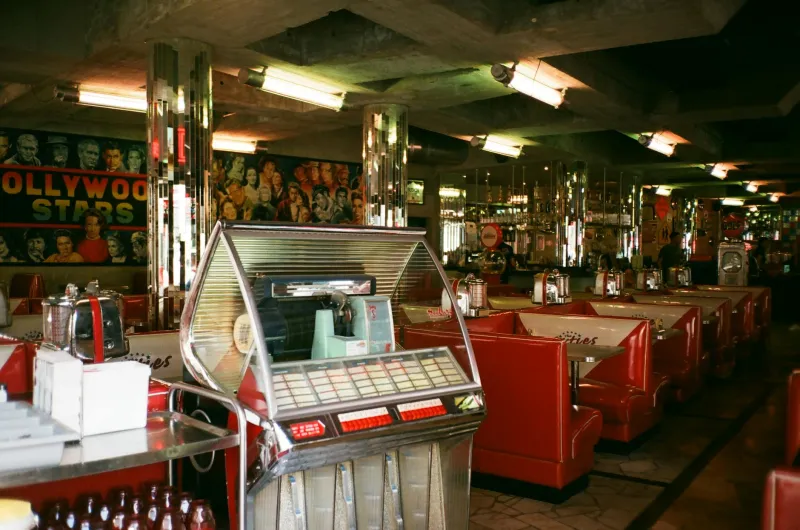
The Counter Where Everyone Could Eat
Walk into any American diner in 1955, and you'd see something that might shock today's workers: laborers, clerks, and factory hands sitting elbow-to-elbow at lunch counters, enjoying full hot meals that cost less than half an hour's wages.
The blue plate special — typically meat, two vegetables, bread, and coffee — ran about 35 to 50 cents at most diners. With the minimum wage at 75 cents per hour, any working American could afford to eat out regularly without breaking their budget. A cup of coffee cost a nickel, and pie was maybe 15 cents.
This wasn't fine dining. It was something more valuable: accessible dining that created a shared social space where working people could gather, talk, and feel part of their community.
The Math That Changed Everything
Let's crunch the numbers that tell this story. In 1955, that 35-cent blue plate special represented about 28 minutes of minimum wage work. Fast-forward to today, and a comparable diner meal — let's say $12 to $15 — requires between 90 minutes and two hours of minimum wage labor at $7.25 per hour.
The gap becomes even starker when you factor in what economists call "real purchasing power." While wages have grown over seven decades, the cost of eating out has exploded far beyond general inflation. Restaurant prices have increased roughly 40% faster than overall consumer prices since 1970.
A factory worker in 1955 earning $1.50 per hour could buy three complete meals for one hour's work. Today's minimum wage worker earning $7.25 can barely afford one meal for the same time investment.
Where the Social Fabric Tore
Those lunch counters weren't just about food — they were America's unofficial town halls. Workers from different industries, backgrounds, and neighborhoods mixed over coffee and conversation. The counter created a natural democracy where a construction worker might sit next to a bank clerk, both paying the same reasonable price for the same honest meal.
This daily ritual built communities. Regular customers knew each other's names, shared job tips, and created informal networks that helped people find work, housing, and support. The lunch counter was where working-class Americans gathered to discuss everything from sports to politics to family troubles.
As these spaces disappeared, so did these connections. Today's fast-casual chains and food courts don't encourage the same lingering conversations or regular relationships that defined the old lunch counter culture.
The Economic Forces That Killed the Deal
Several factors conspired to price working Americans out of regular restaurant dining. Labor costs skyrocketed as restaurants faced higher wages, benefits, and workers' compensation expenses. Commercial real estate prices exploded in most American cities, forcing restaurants to charge more to cover rent.
Food costs themselves became more volatile and expensive as supply chains grew more complex. The simple ingredients that made a 1950s blue plate special — local meat, seasonal vegetables, basic bread — gave way to more processed, transported, and marketed foods that cost more to source and prepare.
Meanwhile, the restaurant industry discovered it could make higher profits by targeting customers with more disposable income rather than competing for working-class dollars. The "fast-casual" revolution prioritized speed and convenience over affordability, pushing prices further beyond the reach of hourly workers.
What We Lost Beyond the Money
The disappearance of affordable dining represents more than just economic change — it reflects a broader shift in how American society thinks about public spaces and shared experiences. When eating out became a luxury rather than a routine, we lost gathering places that had served working communities for generations.
Those lunch counters taught social skills, created business relationships, and provided a sense of belonging that today's isolated food consumption can't replicate. Workers learned to navigate conversations with strangers, picked up local news and gossip, and felt connected to their communities in ways that grabbing takeout simply doesn't provide.
The economic barrier also reinforced class divisions. When only people with discretionary income can afford to eat out regularly, restaurants become spaces that exclude rather than include working Americans.
The Stubborn Survivors
A few old-school diners still operate on something closer to the original model, particularly in smaller cities and rural areas where commercial rents remain reasonable. These survivors often struggle financially, caught between rising costs and customers who can't afford higher prices.
Some modern entrepreneurs have tried to recreate the affordable lunch counter experience, but they face the same economic pressures that killed the originals. Without fundamental changes in wages, real estate costs, or food pricing, the 35-cent blue plate special remains a relic of a more economically egalitarian era.
The Counter That Won't Come Back
The lunch counter where every worker could afford a hot meal represents something profound about mid-20th century America: the belief that working people deserved access to social spaces and simple pleasures. When we priced ordinary Americans out of this daily ritual, we didn't just change how people eat — we changed how communities form and how democracy functions at the most basic level.
Today's $15 diner meal isn't just expensive food. It's a symbol of how economic changes have quietly reshaped the social landscape, one empty counter stool at a time.