The $200 Book Set That Every Parent Bought — When Knowledge Had Weight and Families Paid the Price
The Salesman at Your Door
Knock, knock. It's 1975, and there's a man in a pressed suit standing on your front porch with a briefcase full of promises. He's selling Encyclopedia Britannica, and he's about to ask you to spend $600 — nearly three weeks of the average American's wages — on a set of books.
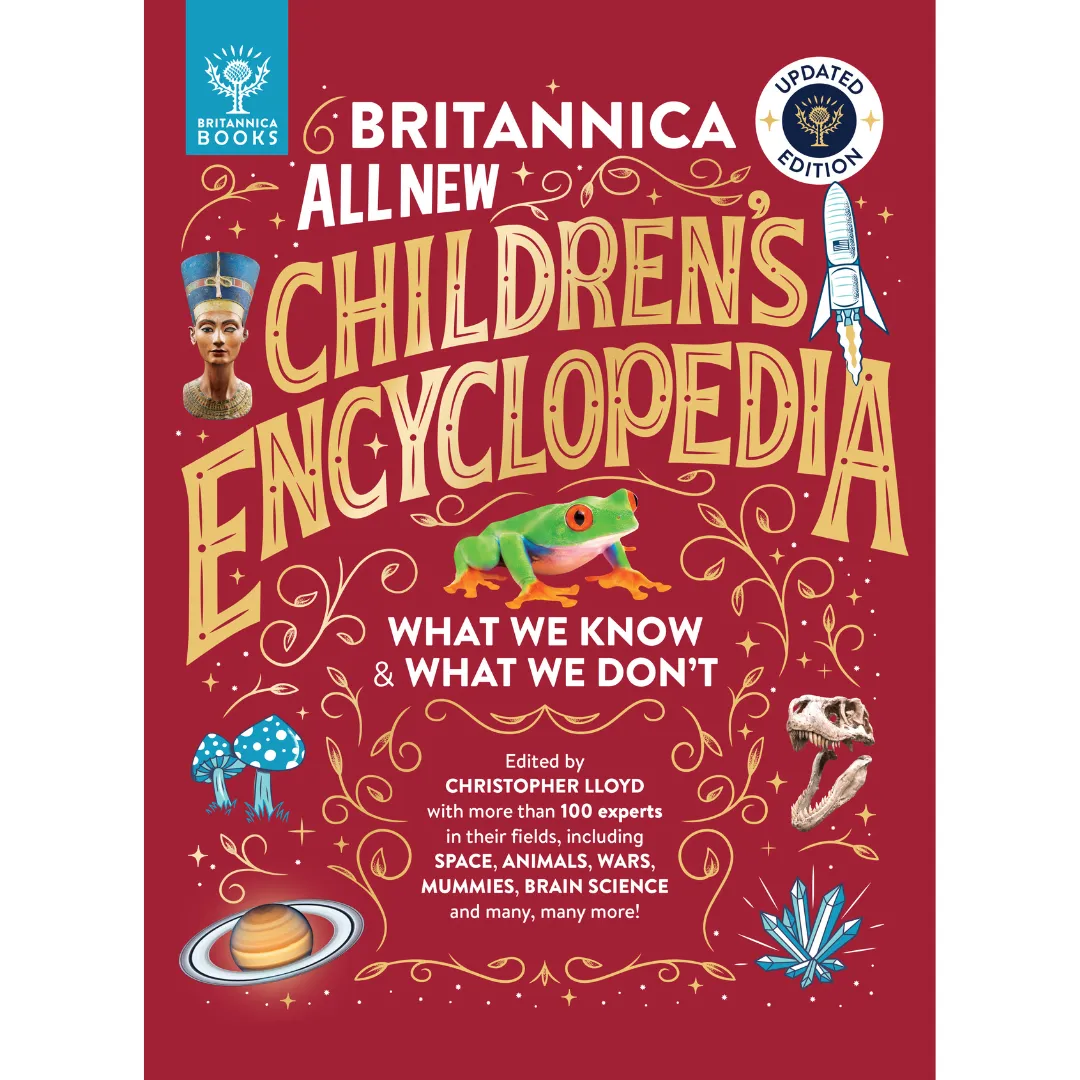 Photo: Encyclopedia Britannica, via www.whatonearthbooks.com
And you're probably going to say yes.
Not because you're wealthy, but because this salesman understands something about American parents that we've since forgotten: they'll sacrifice almost anything for their children's education. The encyclopedia wasn't just books — it was possibility, sitting right there on your living room shelf.
When Information Had Physical Weight
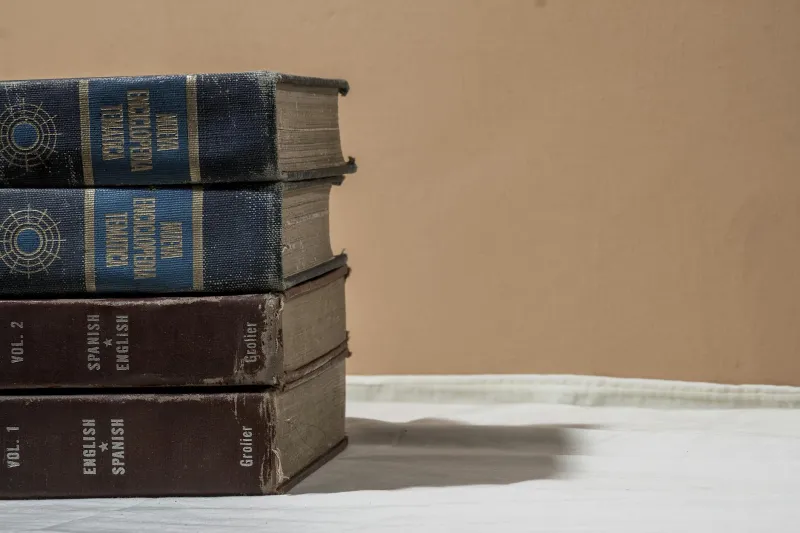
A complete set of Encyclopedia Britannica weighed 129 pounds and filled four feet of bookshelf space. World Book Encyclopedia was lighter but still commanded serious real estate in your home. These weren't decorations — they were the family's research library, reference desk, and homework helper rolled into thirty volumes of actual authority.
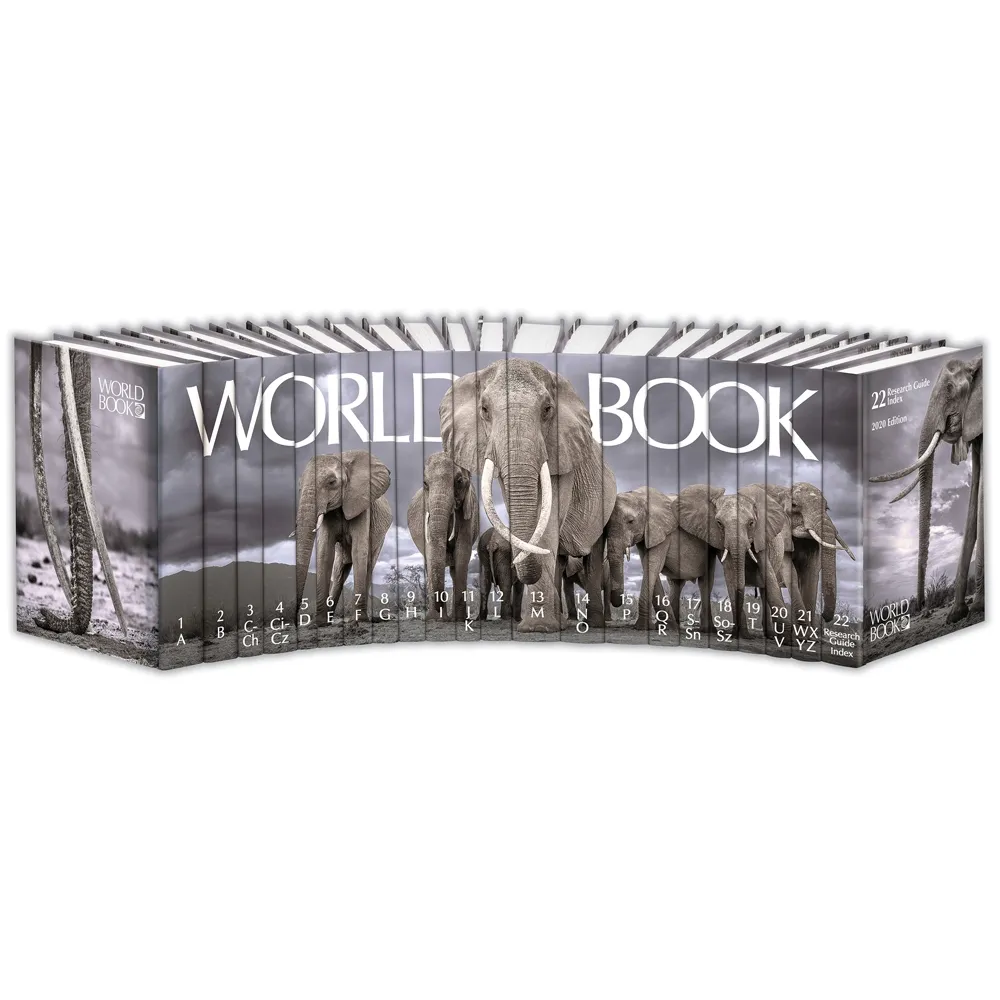 Photo: World Book Encyclopedia, via www.worldbook.com
Opening an encyclopedia required intention. You had to walk to the shelf, pull out the right volume (M-N for "Mexico," S-T for "Solar System"), and flip through actual pages. The physical effort made the information feel valuable, earned.
Kids didn't just look up what they needed — they got lost in adjacent entries, following tangents from "Dinosaurs" to "Darwin" to "Democracy." The encyclopedia taught browsing before browsers existed.
The Real Cost of Real Knowledge
That $600 Encyclopedia Britannica in 1975 equals about $3,400 today. World Book was cheaper at around $350, still representing a significant chunk of a family's discretionary income. Most families financed their purchase, paying $25-30 monthly for two years.
But parents didn't hesitate. A 1970s survey found that families with encyclopedias had children who scored higher on standardized tests and were more likely to attend college. Whether the books caused the success or simply indicated families that valued education, parents weren't taking chances.
The door-to-door sales model made the purchase feel urgent and personal. Salesmen were trained to identify families with school-age children, then paint vivid pictures of homework struggles and lost opportunities. "What if your daughter needs to write a report on Ancient Rome and you don't have the resources at home?"
The Authority Problem
Encyclopedias solved a problem we didn't realize we'd miss: they ended arguments. When your family disagreed about a fact, someone walked to the bookshelf and settled the matter. Encyclopedia Britannica said so, case closed.
This wasn't perfect — encyclopedias had errors, biases, and outdated information. But they provided shared reference points, common starting places for understanding the world. Everyone was working from the same set of facts, even if those facts weren't always complete.
The encyclopedia also taught children that knowledge came from somewhere specific, created by people with credentials and reviewed by experts. Information wasn't just floating in the air — it lived in books written by authorities you could name.
The Free Lunch That Wasn't
Wikipedia launched in 2001 with a radical premise: what if all human knowledge was free, instantly accessible, and constantly updated? Within a decade, encyclopedia sales collapsed. Britannica stopped printing in 2012 after 244 years.
We gained speed, convenience, and comprehensiveness beyond anything those heavy books could offer. But we lost something harder to quantify — the sense that information should cost something, that knowledge was valuable enough to pay for.
When information is free, we treat it differently. We skim instead of studying, jump between sources instead of diving deep, and trust algorithms instead of editors to decide what's important.
The Bookshelf as Status Symbol
Those encyclopedia sets weren't just reference tools — they were visible proof that your family valued education. Visitors saw them immediately upon entering your living room, right next to the family photos and the good china.
The books represented aspiration made manifest. Even families who rarely opened them felt better knowing the information was there, ready when needed. The encyclopedia was insurance against ignorance, a hedge against being caught unprepared.
Today's equivalent might be paying for premium streaming services or high-speed internet — investments in access to information and entertainment. But there's no physical reminder of the commitment, no daily visual cue that knowledge matters.
What We Learned from Weight
The physical encyclopedia taught lessons that Wikipedia never could. Finding information required effort, which made it memorable. The books' presence demanded space and attention, reminding families daily that learning was a priority.
Children who grew up with encyclopedias learned to trust institutional authority, follow systematic organization, and value comprehensive over convenient. These weren't necessarily better approaches, but they were different — and some of what we lost might be worth recovering.
The Paradox of Infinite Access
Today's children have access to more information than any generation in human history, carried in devices that weigh less than a single encyclopedia volume. But studies suggest they're less likely to read deeply, less trusting of expert authority, and more susceptible to misinformation.
The encyclopedia's limitations — its weight, cost, and occasional errors — might have been features, not bugs. They forced families to invest in knowledge, children to work for answers, and everyone to treat information as something precious rather than disposable.
When Knowledge Had a Price Tag
The family encyclopedia represented something we've lost: the idea that information should cost something, that knowledge is valuable enough to sacrifice for, and that learning requires more than just clicking a link.
We're smarter now in some ways — more connected, more informed, more capable of finding any fact instantly. But we might also be less wise, less patient, and less convinced that some things are worth paying for.
Sometimes the best technology isn't the most convenient — it's the one that makes you work hard enough to remember why the work matters.