Twenty-Five Cents and a Real Plate — When America's Working Class Ate Like They Mattered
The Counter That Built America's Middle Class
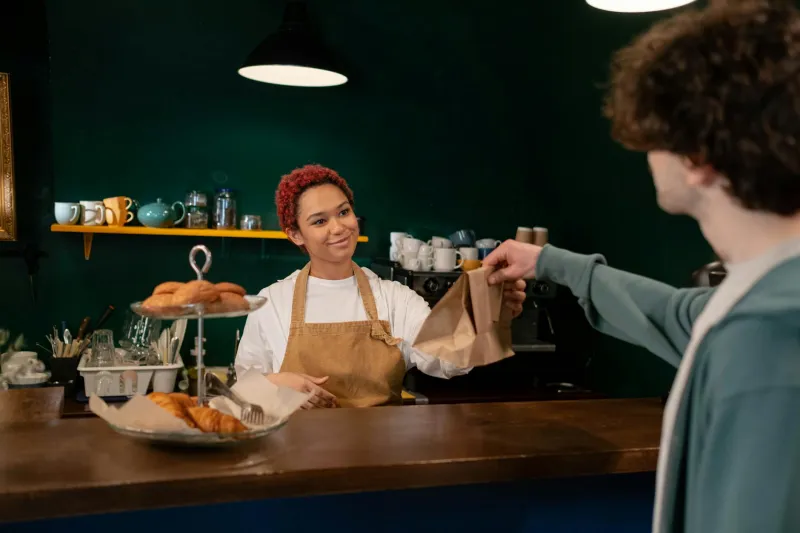
Walk into any Woolworth's in 1955, slide onto a padded stool at the lunch counter, and for twenty-five cents you'd get a hot meal served on an actual plate with real silverware. The waitress knew your name, the coffee cup stayed full, and nobody rushed you out the door. This wasn't fine dining — it was something better. It was dignified eating for ordinary people.
That quarter in 1955 money equals about $2.85 today. Try finding a sit-down meal with table service for under three dollars anywhere in America. You can't, because we've collectively decided that working people no longer deserve plates.
More Than Food — It Was Theater
The lunch counter wasn't just about eating. It was America's original social media platform, where news traveled faster than newspapers and gossip seasoned every conversation. Factory workers sat next to office clerks, shop girls next to traveling salesmen. The counter was democracy in action — first-come, first-served, no reservations required.
Woolworth's alone operated over 1,000 lunch counters by 1960. Add in drugstore soda fountains, five-and-dimes, and department store cafeterias, and nearly every American downtown had multiple places where you could get a proper meal without breaking the bank or feeling out of place.
The menu was predictable but satisfying: meatloaf with mashed potatoes, grilled cheese with tomato soup, hamburger steaks with gravy. Everything came with a vegetable, usually green beans or corn. Pie was fifteen cents extra, and it was worth it.
When Fast Food Meant Something Different
The original McDonald's brothers actually started with the lunch counter model in the 1940s. But Ray Kroc saw a different opportunity — what if you could eliminate the waitresses, the dishwashing, the lingering conversations? What if you could make food so cheap that people wouldn't mind eating it standing up in a parking lot?
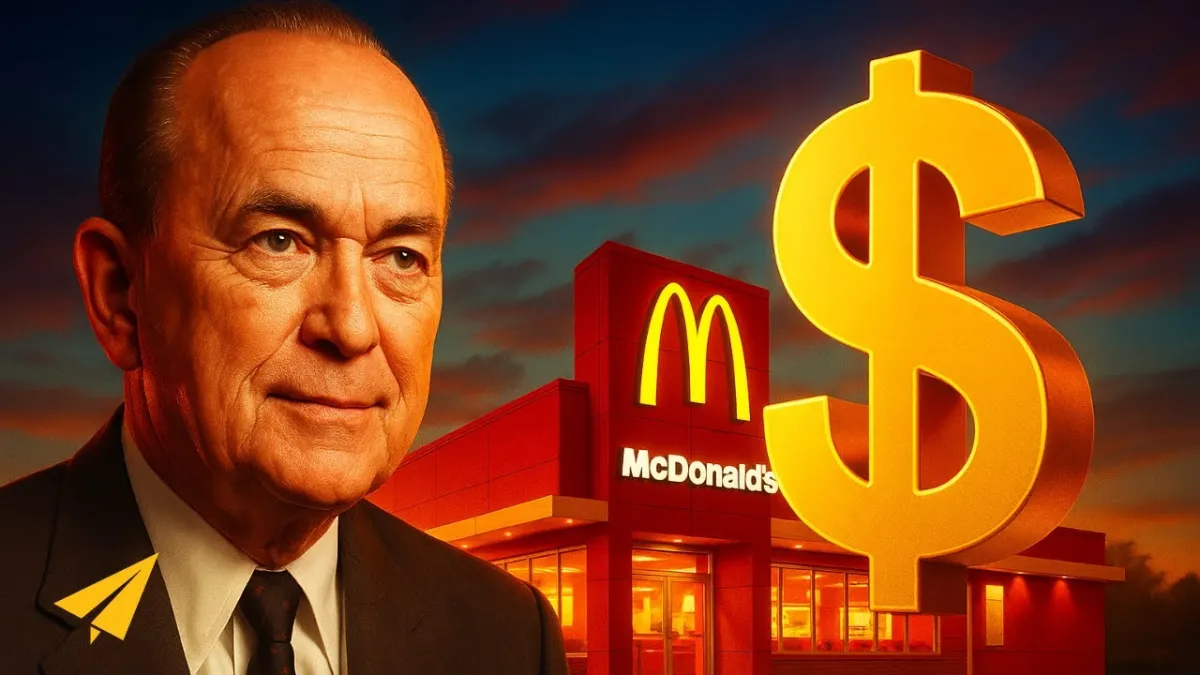 Photo: Ray Kroc, via i.ytimg.com
Kroc wasn't wrong about the economics. By 1965, a McDonald's hamburger cost fifteen cents compared to thirty-five cents for a burger at Woolworth's counter. But those twenty cents of savings came with hidden costs that took decades to calculate.
The McDonald's burger came wrapped in paper, not served on a plate. You ate it standing or in your car, not sitting at a counter where strangers became neighbors. The transaction was fast, efficient, and utterly forgettable.
The Real Cost of Cheap
By the mid-1970s, lunch counters were disappearing faster than drive-throughs were opening. The economics were brutal: Woolworth's needed three employees to serve twenty customers at their counter. McDonald's could serve a hundred customers with the same three people.
But something else disappeared with those counters — the idea that every meal should be a small ceremony, that working people deserved real plates and unhurried service, that eating together built community rather than just filling stomachs.
When Woolworth's closed their last lunch counter in 1997, it marked the end of an era when cheap didn't automatically mean disposable.
What We Traded Away
Fast food gave us speed and convenience, but it also taught us that our time wasn't worth protecting and our meals weren't worth savoring. The lunch counter insisted that even a quick bite should involve sitting down, using real utensils, and maybe talking to the person next to you.
Today's "fast-casual" restaurants try to split the difference — Chipotle and Panera promise fresh ingredients and real plates, but they still rush you through a line and hand you a number. The conversation, the community, the sense that this meal matters — that stayed buried with the lunch counters.
The Quarter That Bought Dignity
That twenty-five-cent meal at Woolworth's wasn't just about the food. It was about treating working Americans like their lunch break mattered, like they deserved to sit down and be served, like the person behind the counter and the person in front of it were both worthy of respect.
Fast food didn't just change how we eat — it changed how we think about what we deserve. And maybe, just maybe, America was a little more civilized when everyone expected their hamburger to come on a real plate.