Cake, Balloons, and Twenty Kids From Down the Street — Before Birthday Parties Became Something You Had to Budget For
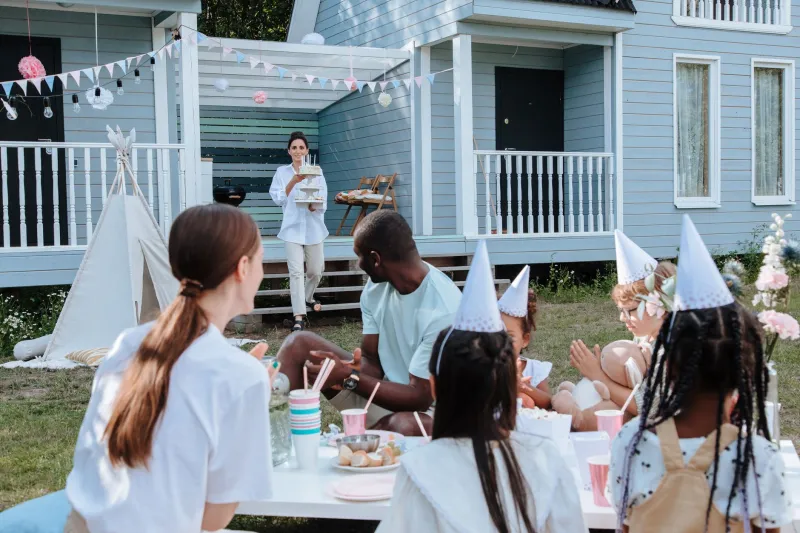
Ask anyone who grew up in the 1970s or 80s what their birthday parties looked like. You'll get the same answer, give or take a detail. Mom made a cake from a box — maybe Betty Crocker, maybe Duncan Hines, frosted with whatever was in the pantry. A handful of kids from the neighborhood showed up. Someone's dad ran a potato sack race in the yard. There were streamers, maybe a piñata, definitely some juice boxes, and then everyone went home by 4pm with a piece of leftover cake wrapped in a paper towel.
It cost almost nothing. And nobody thought that was strange.
The Party That Didn't Need a Planner
For most of the 20th century, children's birthday parties were informal neighborhood events. They weren't planned weeks in advance. They didn't have themes requiring coordinated tableware, custom signage, and a color palette. The invitation was a phone call — or just your mom yelling across the fence.
Food was homemade because that's what food was. Entertainment was whatever the kids invented in the yard. If you were lucky, someone's older sibling ran a three-legged race. If you were really lucky, there was a Slip 'N Slide.
The point wasn't the party. The point was the kid. And somehow, children managed to feel celebrated without a rented bounce house or a professionally printed banner with their face on it.
When the Numbers Started Climbing
Something shifted in the late 1990s and accelerated through the 2000s. The birthday party — long a casual backyard affair — began its transformation into an event.
Party supply chains like Party City expanded aggressively. Chuck E. Cheese and Discovery Zone offered hosted packages that took the work out of planning, at a price. Themed parties moved from rare to expected. And as dual-income households became the norm, time-strapped parents increasingly outsourced the logistics they no longer had hours to manage themselves.
By the mid-2010s, the average spend on a child's birthday party in the United States had climbed to somewhere between $300 and $500, depending on the survey. A 2023 report from party planning platform Peerspace found that American parents spend an average of $375 on birthday parties for kids under 12 — with a significant portion spending well over $500 once venue, catering, entertainment, and party favors are factored in.
For context, that's more than many American families spent on groceries in an entire month just two generations ago.
The Social Media Effect Nobody Wanted to Admit
No honest accounting of the birthday party arms race can ignore Instagram. Once parents started posting photos of their children's celebrations — professionally lit, artfully styled, tagged and hashtagged — the visual record of what a birthday "should" look like became a moving target that kept moving up.
Suddenly a homemade cake wasn't just a cake. It was evidence of effort, or lack thereof. A backyard party without a custom balloon arch started to feel incomplete next to the curated gallery of what other kids were getting. Parents — particularly mothers, who research consistently shows bear the majority of party planning labor — began feeling pressure they'd never asked for.
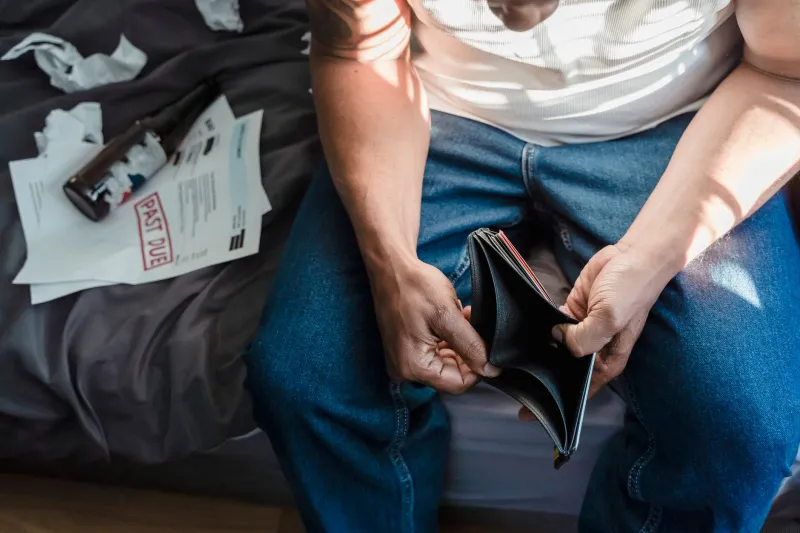
A 2022 survey by OnePoll found that 60% of parents admitted to feeling stressed about planning their child's birthday party, and nearly one in three said they'd gone into debt to fund one. Not a quinceañera. Not a sweet sixteen. A birthday party for a six-year-old.
The Venue, the Vendor, and the Favor Bag
Modern birthday party economics have their own ecosystem. There are now party planners who specialize exclusively in children's events. There are balloon artists, face painters, princess character performers, and mobile petting zoo operators — all available by the hour, all listed on apps, all with reviews.
Venue rentals at trampoline parks, pottery studios, cooking schools, and escape rooms have replaced the backyard as the default party setting for many families. A two-hour slot at a local trampoline park typically runs $250 to $400 before food, cake, and decorations. Add a custom cake from a bakery ($60–$150), party favors for fifteen kids ($3–$5 each), and a balloon arrangement ($75–$150), and you've cleared $600 before anyone sings happy birthday.
The favor bag — once a sandwich bag with a few pieces of candy and a plastic ring — now sometimes contains branded merchandise, personalized items, or themed toys that cost $8–$12 per child to assemble.
What Kids Actually Remember
Here's the uncomfortable truth buried under all those receipts: child development researchers consistently find that children don't remember the details parents stress over. They don't remember the balloon arch or the charcuterie board for grown-ups. They remember who was there, whether they felt special, and if they had fun.
A 2019 study published in the Journal of Consumer Psychology found that experiential gifts — doing things together — created stronger and longer-lasting positive memories in children than elaborate material celebrations. The backyard party, it turns out, wasn't deficient. It just didn't photograph as well.
The Gap Between Then and Now
The shift from a $20 backyard cake to a $500 hosted event isn't just about money. It reflects something deeper about how parenting became performance, and how community — the neighborhood kids who just showed up — got replaced by a guest list that requires coordination, RSVPs, and a venue deposit.
The old birthday party worked because it didn't need to work hard. It just needed people who cared about the kid.
That part hasn't changed. The price tag around it has.