The Car in the Driveway Used to Be Yours Forever — Now You're Just Renting It and Calling It Ownership
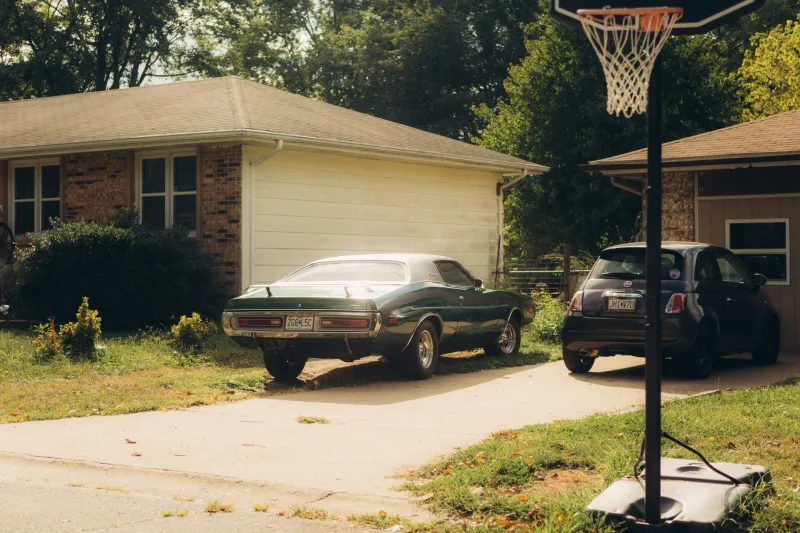
The Car in the Driveway Used to Be Yours Forever — Now You're Just Renting It and Calling It Ownership
There's a specific kind of satisfaction that used to come with making your final car payment. You'd write the last check — or hand over the last cash — and from that day forward, the car was yours. Not the bank's. Not the dealer's. Yours. You drove it without owing anyone anything, and that felt like something worth having.
For a lot of American families in the mid-20th century, a paid-off car was part of the bedrock of household stability. You bought it, you maintained it, you drove it into the ground, and then you maybe sold it to a neighbor's kid for a few hundred bucks. The whole cycle, from purchase to disposal, could span twenty years. Some families got more.
That model is barely recognizable today. The average American now changes vehicles every three to four years. Roughly a third of all new vehicles are leased rather than purchased. And even among those who do finance a purchase, loan terms have stretched so long — six, seven, even eight years — that many drivers are underwater on their vehicle for most of the time they own it. The era of the car you actually owned is, for most Americans, over.
When a Car Was Something You Kept
In the postwar decades, buying a car was a considered decision. Families researched it, saved for it, and treated the purchase as a long-term commitment. The vehicles of that era were built with that relationship in mind — simpler mechanically, easier to repair at home or at the local shop, and designed to last if you maintained them.
A 1955 Chevrolet Bel Air or a 1962 Ford Falcon wasn't just transportation. It was an asset. Families kept them running for years, often doing basic maintenance themselves. Oil changes, brake jobs, tune-ups — these were things a mechanically inclined owner could handle in the driveway on a Saturday afternoon. The car aged, but it kept working, and every year you held onto it was another year you weren't making payments.
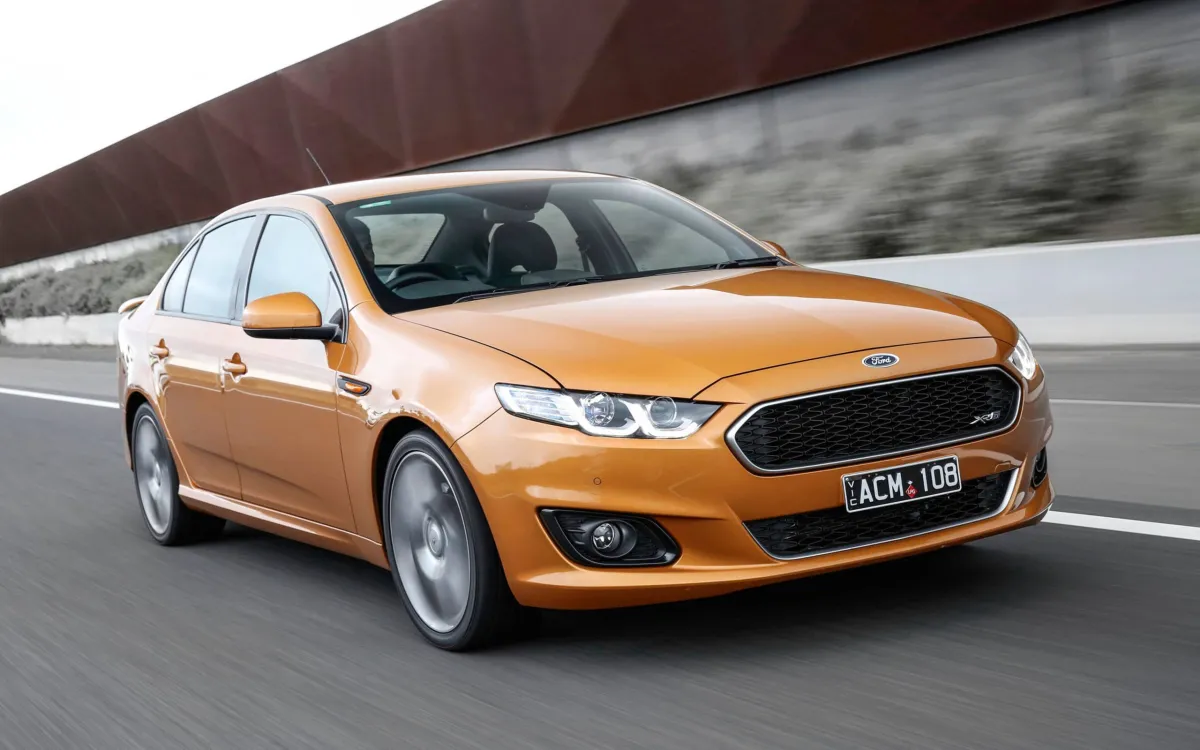 Photo: Ford Falcon, via hips.hearstapps.com
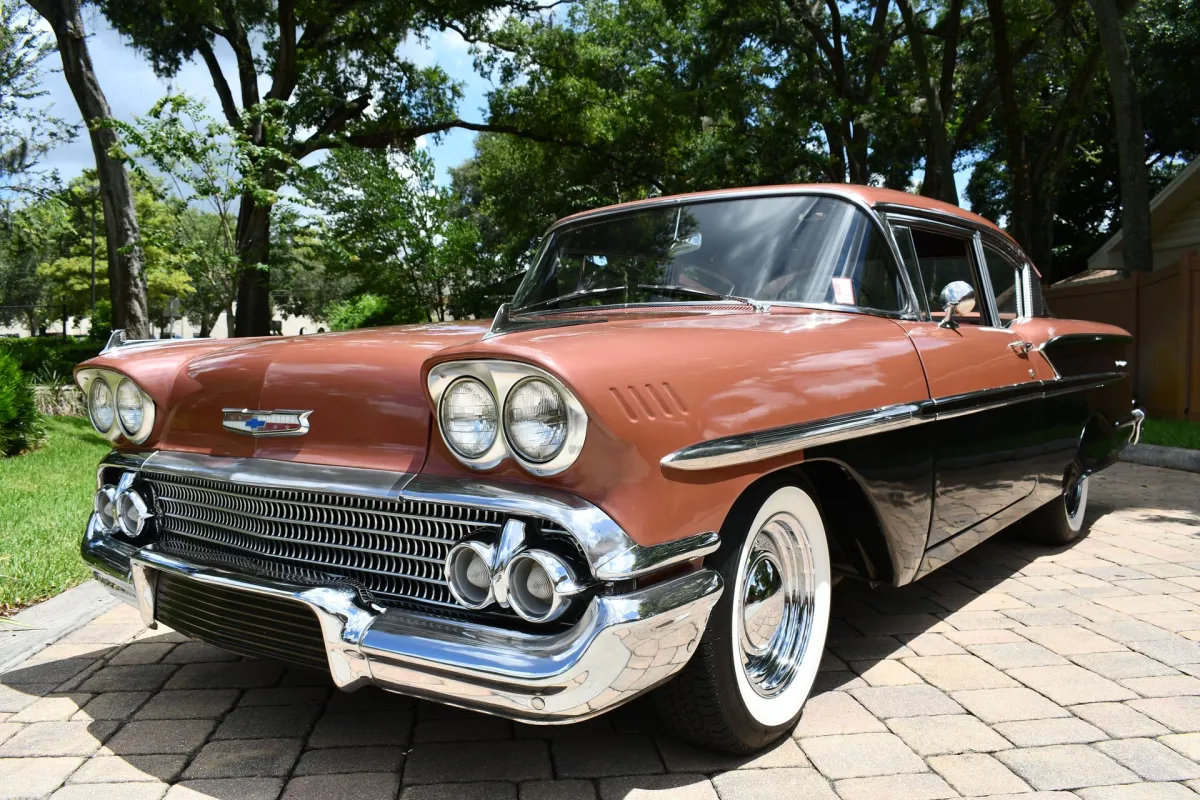 Photo: Chevrolet Bel Air, via cdn.dealeraccelerate.com
The psychological and financial logic of that model was sound. A car purchased for $2,500 in 1960 — roughly $25,000 in today's dollars — that was kept and maintained for fifteen years cost its owner far less per year than any modern financing arrangement. And when it was finally done, there was no residual payment, no lease-end fee, no obligation to walk back into a dealership.
How the Lease Changed Everything
Auto leasing existed for decades as a tool for businesses and high-income buyers who wanted to cycle through vehicles without the hassle of resale. It started creeping into mainstream consumer culture in the 1980s and accelerated sharply through the 1990s, when manufacturers and dealers discovered something important: monthly lease payments are lower than loan payments on the same vehicle, and lower monthly payments are very easy to sell.
The pitch was simple and effective. Why buy a car that'll be worth half its value in five years when you can drive something new every three years for less per month? It sounded like a deal. For a lot of Americans, it felt like one.
What it actually was, of course, was a permanent payment. When you lease, you pay for the depreciation of the vehicle during your term, plus interest, plus fees. At the end, you hand the car back and start over. You've paid thousands of dollars and have nothing to show for it — no asset, no equity, no vehicle to pass down or sell. You're right back at the beginning, signing another lease, committing to another three years of monthly payments.
The dealer and the manufacturer, meanwhile, get the vehicle back in good condition, ready to sell as a certified pre-owned unit. The depreciation risk — the thing the lease was supposedly protecting you from — was actually transferred to you all along.
The Numbers Behind the Feeling
The average monthly lease payment on a new vehicle in 2024 runs around $550 to $600. Over three years, that's roughly $20,000 paid out, with zero ownership at the end. If that same person had bought a reliable used vehicle for $15,000 and driven it for six years, their total transportation cost over the same period would have been dramatically lower — and they'd have a paid-off asset at the end of it.
The gap compounds over a lifetime. A family that buys and holds vehicles versus a family that perpetually leases can easily end up hundreds of thousands of dollars apart in net worth over thirty or forty years, simply based on that one recurring decision.
And it's not just leasing. Extended loan terms have created a similar trap for buyers who think they're building equity. A seven-year auto loan on a vehicle that depreciates fastest in its first three years leaves the borrower underwater for a long stretch — owing more than the car is worth, unable to sell without bringing cash to the table. Trading in that vehicle early, which dealers actively encourage, resets the cycle and often rolls the negative equity into the new loan.
The result is a class of American consumers who are perpetually making car payments, perpetually indebted, and gradually losing ground on any realistic path to building household wealth.
What the Shift Reveals
The move from long-term car ownership to perpetual cycling isn't just a financial story. It reflects something broader about how American consumer culture evolved in the second half of the 20th century — a gradual drift from ownership toward access, from assets toward monthly obligations, from patience toward immediacy.
The old model required you to tolerate an aging car. It required accepting that your vehicle would eventually look dated, that the neighbors might have something newer, that you'd be driving a ten-year-old pickup while the guy down the street was in a fresh-off-the-lot SUV. That tolerance — for the worn seat, the older radio, the slightly rough idle — was actually a form of financial discipline that paid off quietly over decades.
The new model sells you out of that tolerance. It tells you that you deserve new, that technology moves too fast to hold onto anything old, that the lease payment is just the cost of modern life. And millions of Americans have accepted that framing so completely that the idea of driving a paid-off fifteen-year-old vehicle feels like a hardship rather than a victory.
The Driveway That Used to Mean Something
There's still something to be said for the car that's fully yours. No payment due. No residual owed. No dealer waiting for you to come back in. Just a vehicle you own outright, that you maintain because it's worth maintaining, and that represents money you no longer have to spend every month.
That feeling used to be a normal part of American financial life. It was the expected outcome of buying a car — that eventually, you'd finish paying for it. The gap between that expectation and the perpetual payment cycle most Americans now live inside is one of the quieter financial transformations of the last fifty years. And unlike a lot of transformations, this one didn't happen to us. We drove straight into it.