Lights Up, Lobby Time: The Forgotten Pause That Made Movies a Real Event
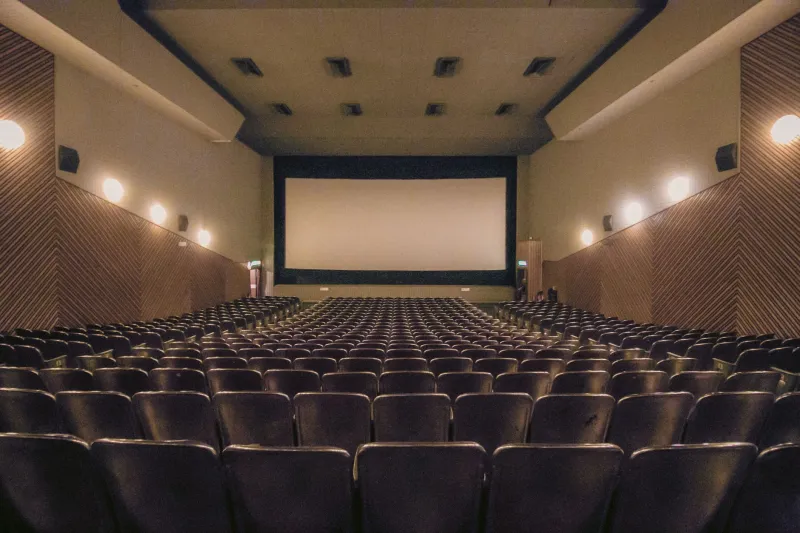
Imagine you're sitting in a grand single-screen theater in 1962. The seats are wide, the ceiling is painted like a Roman palace, and you've been watching Lawrence of Arabia for nearly two hours. Then the screen fades to black, the house lights come up, and an usher in a red jacket appears at the end of your row. The intermission has begun.
For fifteen minutes, the lobby fills with conversation, the smell of fresh popcorn, and the low hum of a few hundred people processing what they just watched. Nobody is checking a phone. Nobody is sneaking out early. Everyone is part of the same shared experience — and the movie isn't even over yet.
That ritual was once completely ordinary. Today, it's almost impossible to imagine.
The Era When Big Movies Demanded a Break
Through the 1950s and into the 1970s, major Hollywood productions — especially epics and roadshow features — routinely included a formal intermission. Films like Ben-Hur, Cleopatra, Doctor Zhivago, and 2001: A Space Odyssey were designed with a structural pause built directly into the experience. These weren't accidental gaps. Studios planned them. Projectionists prepared for them. Theaters sold concessions around them.
Roadshow presentations took it even further. Tickets were reserved in advance, like theater seats. Programs were printed. Overtures played before the film began. Entr'acte music filled the intermission. These weren't just movies — they were events with a beginning, a middle, and a second act.
The intermission served real practical purposes. Films running three or more hours demanded it. Audiences needed bathroom breaks. Concession stands needed the business. And theater owners understood that a comfortable, well-paced experience brought people back the following weekend.
But something less transactional was happening in those lobbies too.
What Actually Happened During Those Fifteen Minutes
When the lights came up, audiences didn't scatter — they gathered. Couples debated plot twists. Strangers struck up conversations about the lead actor. Kids lined up for Milk Duds while parents compared notes on the first half. The intermission was, in its own quiet way, a social institution.
There was something uniquely valuable about processing a story mid-stream. You had context but not conclusion. Theories were still possible. Emotions were fresh. The conversation that happened in that lobby during The Sound of Music or Gone with the Wind was richer than anything you'd have walking out into the parking lot afterward, when the spell had already broken.
The intermission also gave audiences a chance to physically reset. Three hours in a theater seat is no small thing. Stretching, walking to the water fountain, stepping outside for a breath of air — these weren't luxuries. They were what made long films bearable, even enjoyable, rather than endurance tests.
The Multiplex Killed the Pause
The shift happened gradually through the late 1970s and 1980s. As suburban multiplexes replaced grand downtown picture palaces, the economics of cinema changed completely. Where a single-screen theater might run two or three showings of one film per day, a multiplex needed to cycle audiences through eight, ten, or twelve screens as efficiently as possible. Every minute of intermission was a minute of lost throughput.
Studio films also got shorter — or at least leaner. The three-hour roadshow epic gave way to the tightly edited blockbuster. Jaws and Star Wars didn't need intermissions. They were paced to keep you locked in your seat, slightly breathless, from open to close. That was, in fact, part of the design.
By the 1990s, the intermission had essentially disappeared from American cinema. A few foreign films and special re-releases still included one, but for the mainstream moviegoing public, the pause was gone. The new deal was simple: sit down, watch the whole thing, and clear out so the next group could file in.
The Grand Theaters That Made It All Make Sense
You also can't separate the intermission from the theaters themselves. The picture palaces of mid-century America — places like the Fox Theatre in Atlanta, the Paramount in New York, the Chicago Theatre — were built to be destinations. Their lobbies were designed to be experienced. Chandeliers, marble floors, uniformed staff. Walking through that lobby during intermission wasn't a minor inconvenience. It was part of the point.
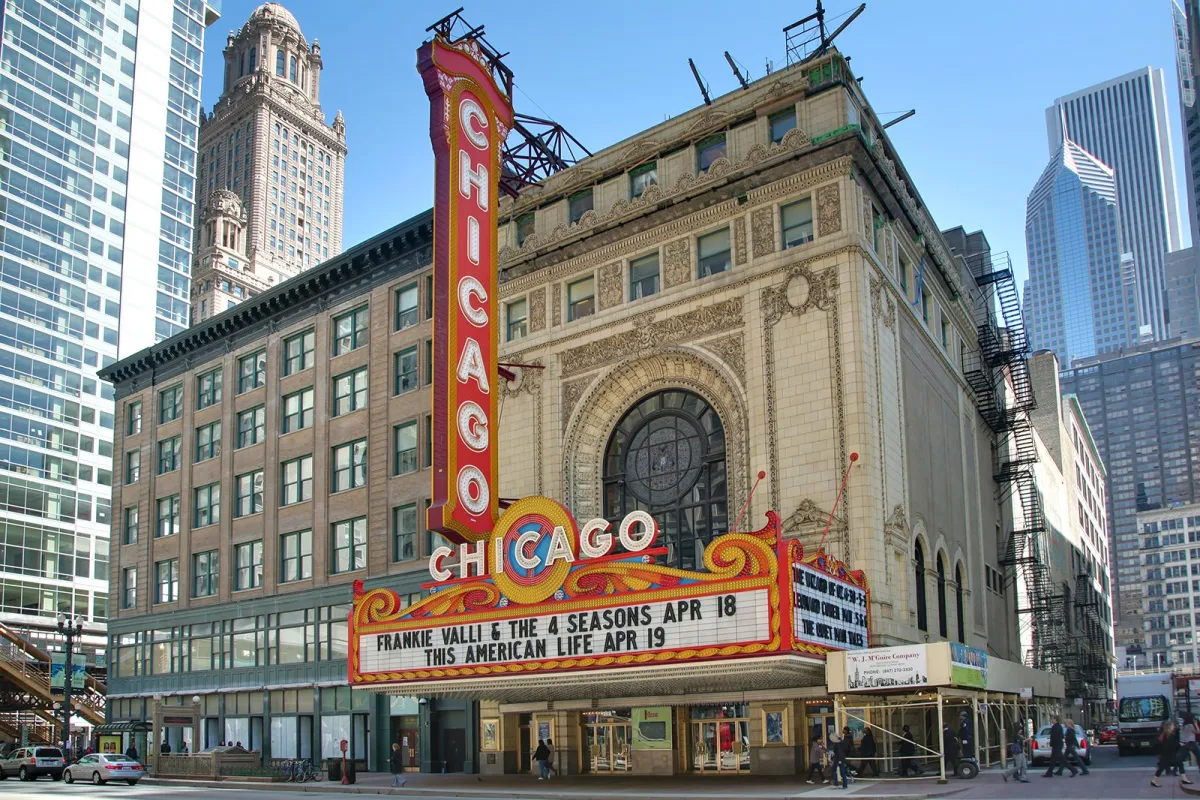 Photo: Chicago Theatre, via a.cdn-hotels.com
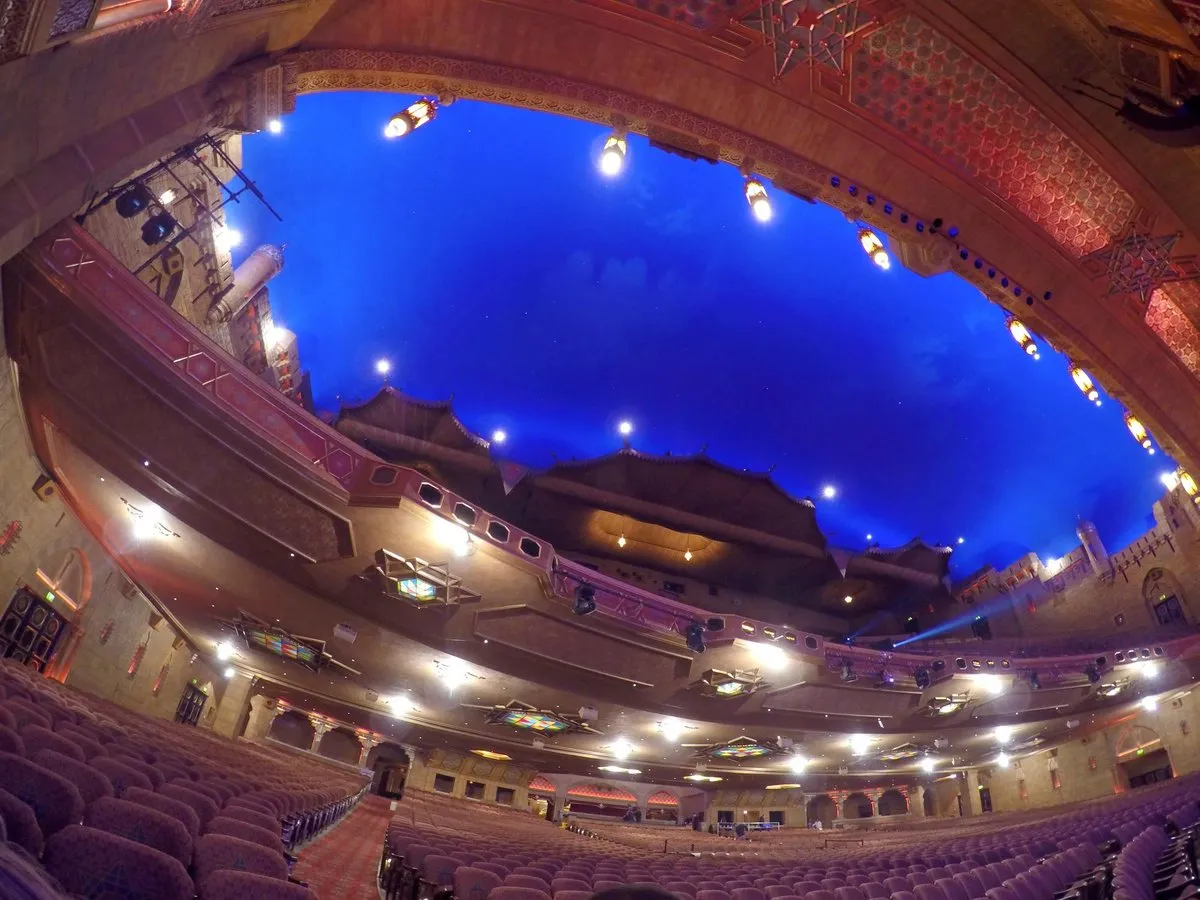 Photo: Fox Theatre, via dynamic-media-cdn.tripadvisor.com
When those venues gave way to carpeted hallways and numbered auditoriums, the intermission lost its natural home. A multiplex lobby isn't designed for lingering. It's designed for throughput — getting people to the concession stand and back to their seats as fast as possible. The architecture quietly made the pause obsolete before the studios even finished the job.
What We Traded Away
Modern streaming has, in a strange way, given individual viewers back their own version of the intermission. You can pause Oppenheimer at the three-hour mark, refill your glass, and pick it up when you're ready. But that's a private act, not a shared one. Nobody in your living room is having the same conversation that used to fill a theater lobby in 1965.
The intermission was one of those things that worked precisely because everyone experienced it together, at the same time, in the same building. It was a built-in reminder that going to the movies wasn't just about the film — it was about the occasion.
That occasion is mostly gone now. Films still run three hours. Audiences still need bathroom breaks. But the idea that a movie might pause, deliberately, to let you breathe? That belongs to a different era — one where entertainment was designed around the audience, not the schedule.
Some things look like progress until you realize what they replaced.