The Guy Three Doors Down Who Could Fix Anything — And Never Sent You an Invoice
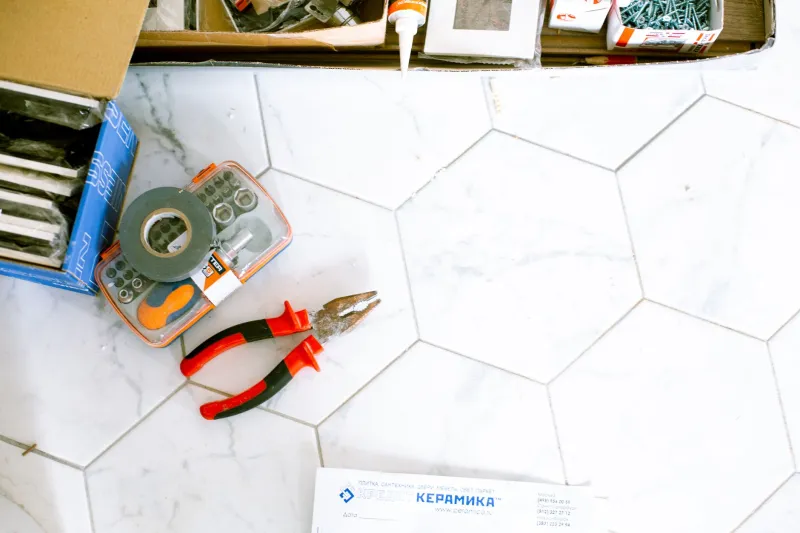
His name was something like Walt, or maybe Hector, or Big Earl. He kept a rusted toolbox in his garage that weighed about forty pounds and smelled like machine oil and sawdust. He wasn't licensed. He didn't carry liability insurance. He didn't have a website, a booking app, or a minimum callout fee. What he had was knowledge — the kind you can't get from a YouTube tutorial — and a genuine willingness to use it for whoever needed it on the block.
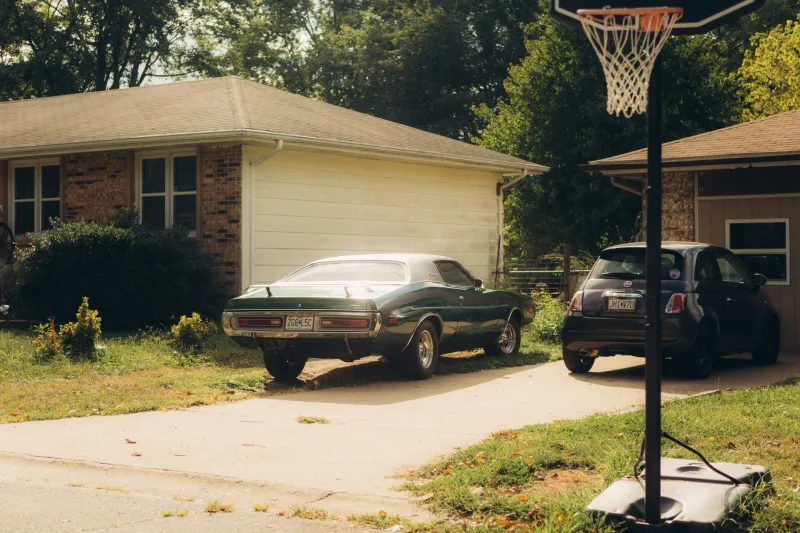
For most of the twentieth century, that guy existed in nearly every American neighborhood. And because of him, a broken faucet cost you a six-pack of beer. A drafty window cost you a plate of lasagna. A sagging gutter cost you maybe twenty dollars cash and a wave from the driveway.
That world is gone now. And replacing it has turned out to be shockingly expensive.
What the Neighborhood Repair Economy Actually Looked Like
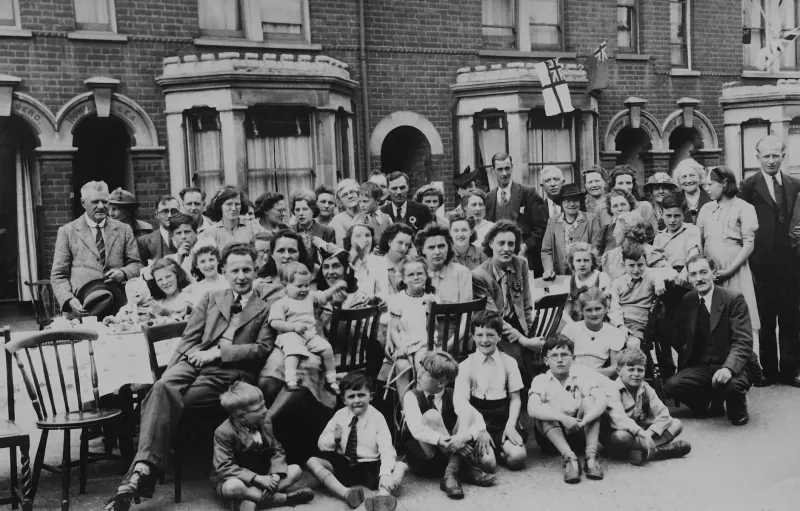
The informal handyman network wasn't organized. It didn't have a name. It was just the natural result of communities where people actually knew each other — where you'd lived next to the same family for fifteen years and understood, without being told, that skills were something you shared.
In working-class neighborhoods especially, this was simply how maintenance got done. A retired plumber down the street helped you fix the shutoff valve under your sink. The guy who'd spent thirty years in construction helped you pour a new section of concrete walkway. The woman who'd worked in her family's hardware store for a decade talked you through rewiring a ceiling fan while standing in your kitchen drinking coffee.
Nobody tracked the hours. Nobody issued a quote. The understanding was mutual and unspoken: when you needed something, the neighborhood had you. When the neighborhood needed something you could offer, you showed up.
For minor repairs — the stuff that fills most homeowners' lives — this system worked remarkably well. It kept costs near zero, kept skills alive within communities, and reinforced the kind of social bonds that turned a collection of houses into an actual neighborhood.
When the Meter Started Running
The shift didn't happen all at once. It crept in slowly across the 1980s and 1990s, as neighborhoods became less stable, as people moved more frequently, as the culture of knowing your neighbors faded. Licensing requirements expanded. Liability concerns multiplied. Insurance became a prerequisite for any professional work. And the informal guy who'd fix your furnace for the cost of a hot meal gradually became a legal liability rather than a community asset.
At the same time, the trades themselves began to shrink. Fewer young Americans entered plumbing, electrical work, or carpentry. The ones who did found themselves in genuine demand — and priced their services accordingly.
The result is a repair economy that many middle-class homeowners now describe, quietly and with some embarrassment, as completely unaffordable.
The Modern Math of a Broken Faucet
Here's what a leaky faucet looks like in 2025. You notice it on a Thursday. You go online and try to book a plumber. The earliest available appointment is Tuesday. The service call alone — just to show up — runs between $75 and $150 before anyone touches a single pipe. The actual repair, which might take twenty minutes, adds another $100 to $300 depending on the parts involved. If anything unexpected turns up, the estimate can double.
For a repair that Walt from three doors down would have handled on a Saturday morning for the price of a cold beer, you're now looking at a realistic bill of $200 to $400. For a leaky faucet.
Scale that across everything a house requires — the slow drips, the sticky doors, the cracked caulking, the failing weatherstripping — and you begin to understand why deferred maintenance has become one of the defining financial problems of American homeownership. People aren't ignoring repairs because they're lazy. They're ignoring them because the cost of fixing small things has quietly become large.
The Hidden Tax on Not Knowing Anyone
What's rarely discussed is how this shift functions as a kind of invisible tax on social disconnection. The less embedded you are in a community — the fewer people you actually know and trust — the more every minor home problem costs you in real dollars.
A homeowner with a brother-in-law in the trades, or a longtime neighbor who spent a career in construction, or a friend who happens to know plumbing, still lives in something close to the old economy. Their faucet gets fixed for the cost of a meal or an afternoon of returned help. Their gutters get cleaned in exchange for watching someone's dog.
Everyone else pays market rate. And market rate, in 2025, is genuinely punishing.
The American Home Insurance Association estimates that deferred maintenance — repairs put off because of cost — contributes to billions of dollars in preventable property damage every year. The leaky faucet that wasn't fixed becomes water damage under the cabinet. The drafty window becomes a heating bill that quietly inflates for years. The small problems that Walt would have caught early now compound quietly until they become expensive emergencies.
What We Actually Lost
It would be easy to romanticize the old neighborhood handyman — to sand off the edges and pretend it was all wholesome reciprocity and no complications. There were complications. Not everyone had access to the same networks. Not everyone's informal helper was equally skilled. And some work genuinely required licensed professionals for good reason.
But the core of what existed was real, and its absence is genuinely costly. Communities where people share skills, favors, and knowledge are communities where the cost of ordinary life is lower. The erosion of that informal economy didn't just change how Americans fix their homes. It quietly transferred a significant and recurring financial burden onto individual households — and handed it to them with no warning and no alternative.
Walt retired. Nobody moved in to replace him. And somewhere in that gap, a leaky faucet became a $300 problem.
That's not progress. That's just a bill nobody agreed to pay.