The Sick Day That Actually Let You Be Sick — Before Logging On Became the Cure
The Morning When the World Moved Without You
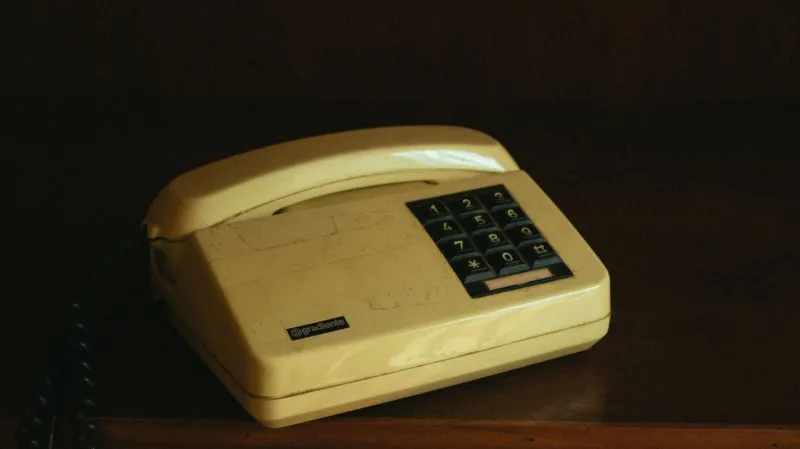
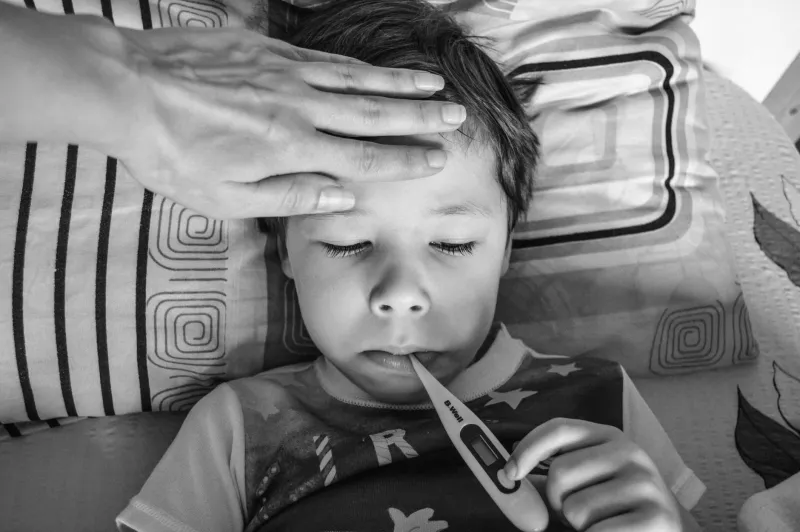
There was a particular quality to a sick day in the 1980s or early 1990s that's almost impossible to recreate now. You woke up, your mom pressed her wrist to your forehead, and a quiet verdict was delivered: you're staying home. The school would be called. A note would be written for when you returned. And that was it — you were, for all practical purposes, gone.
The day unfolded at a pace that only sick children and retired people ever experienced. Game shows in the morning. Soup from a can. The specific boredom of daytime television that somehow felt appropriate, like the world had slowed down to match how you felt. Nobody expected anything from you. The homework would still be there tomorrow. Your friends would fill you in on what you missed. The gap in your day would simply exist, and the world would absorb it without incident.
That kind of absence — total, unquestioned, guilt-free — is now almost a historical artifact.
How Connectivity Rewired the Sick Day
The change didn't happen all at once. It crept in gradually, the way most significant shifts do. Email meant you could check in from home. Laptops meant home wasn't really separate from the office anymore. Then smartphones made the separation essentially impossible — the office was now in your pocket at all times, including when you were horizontal with a 102-degree fever.
For students, the transformation was just as complete. When schools shifted to hybrid or fully remote learning during the pandemic, many districts discovered something they'd suspected for years: technology made physical absence largely irrelevant. A student at home could, in theory, attend every class, submit every assignment, and participate in every discussion from their bedroom. The infrastructure for universal remote attendance was built, and once it existed, it didn't go away.
Now, a sick kid staying home from school is often expected to log on anyway — to join the class on Zoom, to complete the day's work, to demonstrate that absence from the building doesn't mean absence from the curriculum. A sick adult calling out of work is frequently expected to at least check their email, respond to urgent messages, or stay available for anything critical that comes up.
The sick day, in its original form, has been quietly abolished.
What Rest Was Actually For
Here's the thing that tends to get lost in conversations about productivity and accessibility: rest is not a luxury. It's a biological requirement.
When your body is fighting an infection, it is doing serious, energy-intensive work. Sleep and rest aren't passive states — they're active processes during which your immune system operates most effectively. Elevated body temperature is a deliberate defense mechanism. The fatigue that makes you want to do nothing is your body redirecting resources away from voluntary activity and toward recovery.
Forcing cognitive engagement on top of that process — attending a Zoom class, answering emails, completing assignments — doesn't just make you feel worse. It may actually slow recovery. The mental load of staying present and functional while ill competes directly with the physiological work your body needs to do.
Beyond the physical, there's the mental dimension. The old sick day offered something that's genuinely hard to find in modern American life: permission to stop. Full, unconditional, socially sanctioned permission to do nothing productive. For one day, the expectations were suspended. The to-do list was paused. You were allowed to simply exist without output.
That permission, it turns out, is rare enough to be meaningful.
The Guilt That Replaced the Rest
Ask most working Americans what a sick day feels like now, and the word that comes up repeatedly is guilt. Guilt about the emails piling up. Guilt about the meeting that had to be rescheduled. Guilt about the Slack messages going unanswered. Some people describe lying in bed with their laptop open not because they're well enough to work, but because the anxiety of not working feels worse than the illness itself.
For students, the pressure is similar. Missing school no longer means missing school — it means doing school from home while also being sick. The assignments don't pause. The deadlines don't move. The expectation of continuous engagement doesn't lift just because your body is struggling.
This is a profound shift in what it means to be unwell in America. Illness used to grant you a temporary exit from obligation. Now it grants you a temporary change of location — you're still expected to show up, just from your couch instead of your desk.
The Distance Between Then and Now
The gap between the sick day of 1988 and the sick day of 2024 is not just about technology. It's about what we've decided absence means. We used to accept that people were sometimes genuinely unavailable — and we built systems that accommodated that reality. The work waited. The class was caught up on. The gap was absorbed.
Now we've built systems that eliminate absence entirely. And in doing so, we've eliminated something that absence was quietly providing: genuine disconnection, genuine recovery, and genuine permission to be human in a moment of vulnerability.
A sick day used to be the world saying: you matter more than your output, at least for today. That message has gotten very hard to hear above the sound of the notification pinging on your nightstand.