When Every American Backyard Was a Grocery Store: The Lost Art of Feeding Your Family for Free
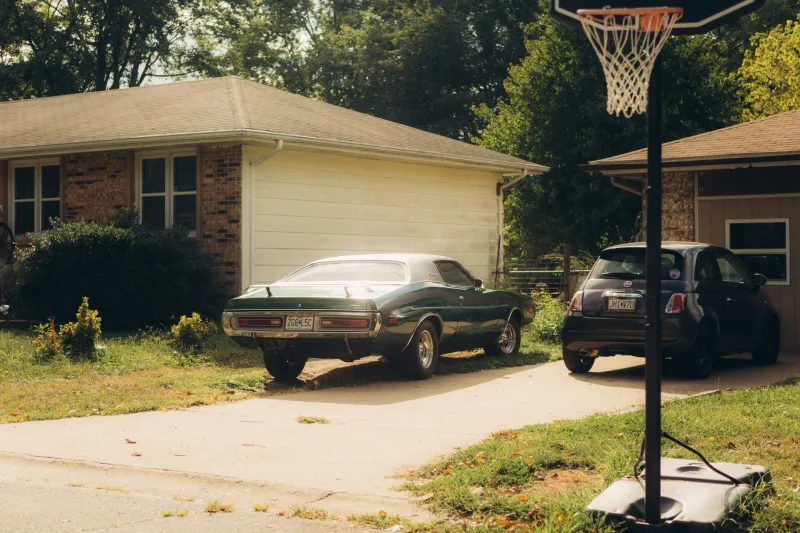
Step into any American suburb today, and you'll see lawn after lawn of perfectly manicured grass. Sprinkler systems keep the green carpet lush, riding mowers maintain precise edges, and homeowners spend weekends battling weeds that dare disturb the uniformity. What you won't see much of are vegetables.
Yet just two generations ago, those same suburban lots would have been filled with tomato plants, bean poles, and rows of lettuce. American families didn't grow food as a weekend hobby — they did it because it made financial sense. A backyard garden wasn't just a way to pass time; it was a critical part of household economics that could stretch the grocery budget for months.
The Victory Garden Revolution That Never Ended
World War II thrust gardening into the national spotlight with Victory Gardens, but Americans had been growing their own food long before the government started encouraging it. By 1944, twenty million American families were growing vegetables in backyards, vacant lots, and community plots. These gardens produced 40% of all vegetables consumed in America — eight million tons of food.
 Photo: Victory Gardens, via www.lavoretticreativi.com
 Photo: World War II, via wallpaper-house.com
But here's what most people don't realize: the gardening boom didn't end with the war. Throughout the 1950s and into the 1960s, millions of American families continued maintaining substantial vegetable gardens. A 1959 survey found that 60% of suburban households grew at least some of their own food.
The difference wasn't patriotic duty — it was pure economics. Families discovered that a well-managed garden could provide six months of vegetables for the cost of a few seed packets and some weekend labor.
The Math That Made Perfect Sense
Consider the household economics of 1955. A typical middle-class family spent about 30% of their income on food, compared to roughly 10% today. But that higher percentage bought them something we've largely lost: food security that didn't depend entirely on weekly grocery shopping.
A family garden plot measuring just 20 by 30 feet — smaller than many modern living rooms — could produce enough vegetables to fill a basement pantry through winter. Tomatoes were canned in mason jars, green beans were blanched and frozen, and root vegetables like potatoes and carrots were stored in cool basements.
The typical suburban garden produced vegetables worth $200-300 in today's purchasing power, while costing less than $20 in seeds and basic supplies. For families earning $4,000-6,000 annually, that represented meaningful savings that freed up money for other necessities.
Every Neighborhood Had Its Garden Guru
Gardening knowledge spread through informal networks that made today's YouTube tutorials look impersonal. Every neighborhood had its garden expert — usually an older resident who'd been growing food since childhood. These informal mentors taught newcomers which varieties grew best in local soil, when to plant different crops, and how to extend the growing season.
Hardware stores stocked extensive gardening supplies and employed staff who could diagnose plant diseases and recommend solutions. Garden clubs weren't social organizations for retirees — they were practical networks where working families shared seeds, tools, and expertise.
Children learned to garden alongside their parents, not as a character-building exercise but as essential life skills. Kids who could identify ripe tomatoes, know when corn was ready to pick, and help with canning were contributing real value to household economics.
The Canning Kitchen That Worked Overtime
Modern Americans might preserve a few jars of jam as a hobby, but mid-century families treated food preservation like a second job. Late summer meant weeks of intensive canning, freezing, and storing that would stock pantries through winter.
A typical suburban kitchen in August looked like a small-scale food processing plant. Pressure cookers sterilized mason jars, large pots blanched vegetables for freezing, and basement shelves filled with neat rows of preserved tomatoes, pickled cucumbers, and canned green beans.
This wasn't quaint homesteading — it was sophisticated food management that dramatically reduced grocery bills during expensive winter months. Families who canned their own vegetables could serve nutritious meals year-round while spending grocery money primarily on meat, dairy, and staples they couldn't produce themselves.
When Fresh Actually Meant Fresh
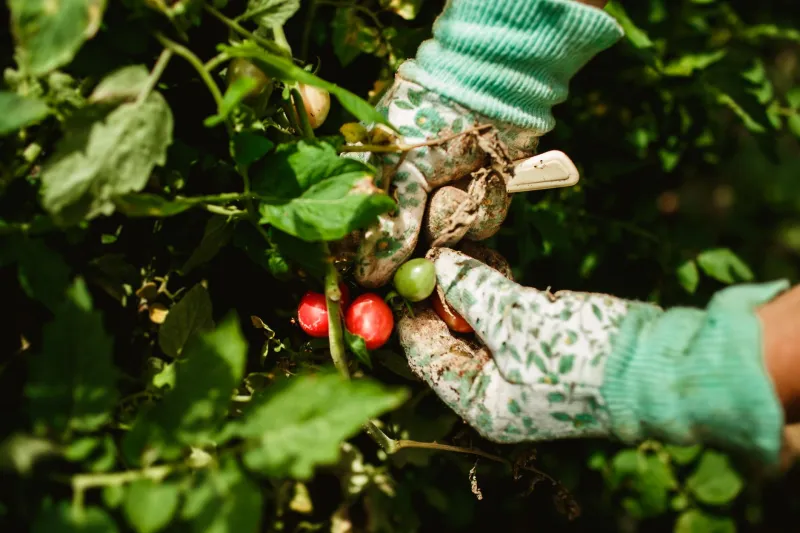
The food that came from backyard gardens offered something that's nearly impossible to buy today: true freshness. Tomatoes were picked when fully ripe, not when they could survive shipping. Lettuce was harvested in the morning and on the dinner table by evening. Sweet corn was picked, husked, and cooked within hours.
This wasn't just about taste — though anyone who's eaten a tomato picked five minutes before serving knows the difference. Fresh-picked vegetables retained nutritional value that diminished during the transport and storage required by commercial agriculture.
Families eating from their own gardens consumed vegetables at peak nutrition while spending a fraction of what store-bought produce cost. A head of lettuce that might cost 25 cents at the grocery store could be grown for about two cents worth of seeds.
The Great Abandonment
So what happened to America's backyard food production? The shift occurred gradually through the 1960s and 1970s, driven by several converging factors.
Supermarket chains made fresh produce available year-round at declining relative prices. Frozen vegetables offered convenience that home preservation couldn't match. Suburban lifestyles increasingly emphasized leisure over household production, and perfectly manicured lawns became symbols of prosperity.
Perhaps most importantly, women entered the workforce in unprecedented numbers, leaving less time for intensive gardening and food preservation. The time and labor that had made backyard gardens economically viable became increasingly valuable for other activities.
The Modern Math That Doesn't Add Up
Today's typical American family spends about $4,500 annually on groceries, with roughly $1,500 of that going toward fresh produce. Yet most suburban homes sit on lots large enough to grow hundreds of dollars worth of vegetables annually.
The knowledge gap explains part of this paradox. Most Americans today couldn't successfully grow a tomato plant, let alone manage a productive garden. The informal networks that once transmitted gardening knowledge have largely disappeared, replaced by scattered online resources that can't substitute for hands-on local expertise.
But economics also shifted. Modern Americans earn enough that the savings from gardening seem less compelling than they once did. A family spending $30 weekly on produce might not feel motivated to invest time and effort to save $20 of that through gardening.
What We Lost Besides Money
The decline of backyard food production cost Americans more than just grocery savings. We lost food security that didn't depend on complex supply chains vulnerable to disruption. We lost the satisfaction of eating food we grew ourselves. We lost practical knowledge about how food actually grows and what it takes to produce it.
Most importantly, we lost a connection to the seasons and cycles that once structured American life. Families who grew their own food lived differently — planning spring gardens in winter, preserving summer abundance for fall meals, and eating seasonally because that's what the garden provided.
The Grass That Costs More Than Food
Ironically, many Americans now spend more maintaining ornamental lawns than their grandparents spent on their entire food budget. Lawn care services, fertilizers, irrigation systems, and weekly mowing can easily cost $1,000-2,000 annually — more than a productive garden would save in grocery bills.
We've traded food security for aesthetic uniformity, practical knowledge for convenience, and seasonal eating for year-round variety. The transformation reflects broader changes in American life, but it also represents choices that each generation makes about what matters most.
As grocery prices continue rising and supply chain vulnerabilities become more apparent, perhaps it's time to remember what American families once knew: the most reliable grocery store might be the one growing in your own backyard.