Before Deductibles and Premiums: When Your Neighbors Were Your Insurance Company
Every month, millions of Americans write checks for insurance premiums that would have bought groceries for an entire family just a few generations ago. We pay for health insurance, life insurance, disability insurance, homeowner's insurance, and car insurance — often spending more on protection than our great-grandparents earned in entire months. But before the rise of corporate insurance giants, Americans had a different way of protecting themselves from life's uncertainties: they relied on each other.
The Lodge Hall Was Your Policy Office
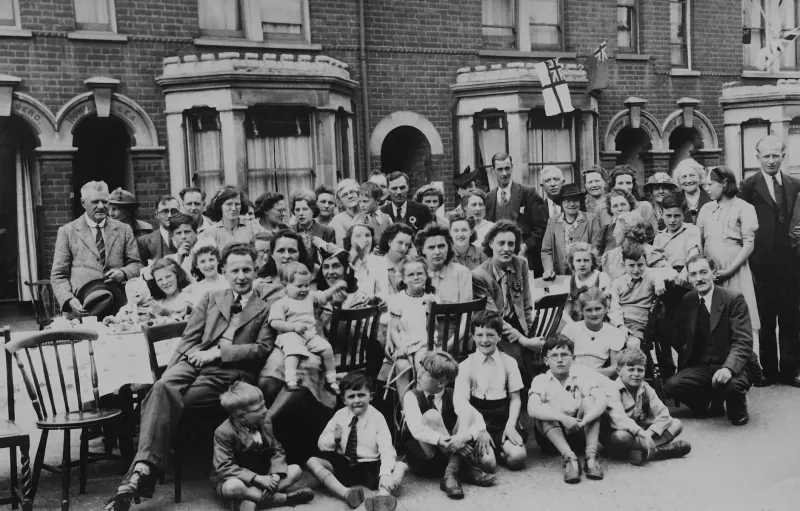
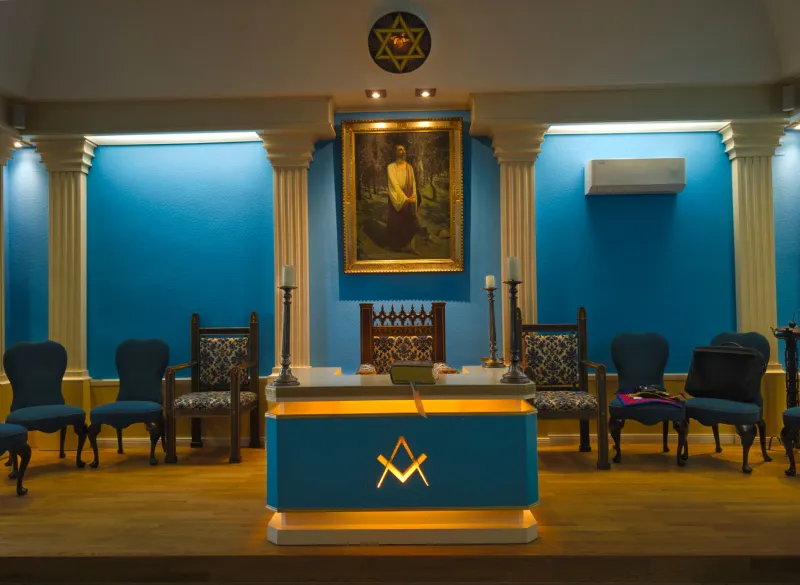
Walk through any older American town today, and you'll likely spot the weathered signs of forgotten fraternal organizations: the Odd Fellows Hall, the Knights of Columbus building, or the Moose Lodge. These weren't just social clubs — they were America's original insurance companies.
In 1920, nearly one in three American men belonged to a fraternal lodge that provided what we'd now call life and disability insurance. Members paid modest monthly dues, usually between 25 cents and a dollar, and in return received guaranteed benefits if they became sick, injured, or died. When a member passed away, his widow received a death benefit funded entirely by fellow members. If he couldn't work due to illness, the lodge covered his expenses until he recovered.
The Woodmen of the World, founded in 1890, grew to over 750,000 members by 1920. Each member knew that if disaster struck, his brothers would take care of his family. The Ancient Order of United Workmen pioneered the concept, promising that "the living shall protect the dying" — and they delivered on that promise for decades.
 Photo: Woodmen of the World, via www.1001-carteanniversaire.fr
Your Ethnic Community Had Your Back
Beyond fraternal lodges, immigrant communities created their own mutual aid societies based on shared heritage and language. Italian-Americans formed societies that paid medical bills and funeral costs. Polish-Americans created burial societies that ensured no one would face an unmarked grave. Jewish communities established free loan associations that helped members through financial emergencies without charging interest.
These weren't charity organizations — they were sophisticated financial cooperatives. Members contributed according to their means and received benefits according to their needs. The German-American community in Milwaukee operated over 200 mutual aid societies by 1900, covering everything from medical care to unemployment benefits.
When Your Church Was Your Safety Net
Religious congregations served as another layer of informal insurance. When the breadwinner fell ill, church members organized to bring meals, help with farm work, or contribute to medical expenses. When families faced foreclosure, congregations often pooled resources to save homes.
This wasn't occasional charity — it was systematic mutual support. Churches kept careful records of who needed help and who could provide it. Deacons and church committees functioned like modern insurance adjusters, assessing needs and distributing aid.
The Economics of Trust
These community-based systems worked on fundamentally different economics than modern insurance. Instead of calculating risk and pricing policies for profit, mutual aid societies operated on shared vulnerability and collective responsibility. Administrative costs were minimal because volunteers handled most operations. There were no marketing budgets, no executive salaries, and no shareholder dividends.
A typical mutual aid society operated with overhead costs below 10% of collected dues. Modern insurance companies typically spend 15-20% on administrative costs alone, before factoring in profit margins. The old system was lean because it was local.
The Great Shift to Corporate Coverage
The transformation began during World War II, when employers started offering health insurance as a way to attract workers despite wage controls. What started as a temporary wartime measure became the foundation of America's employer-based insurance system.
By the 1960s, commercial insurance companies had largely displaced mutual aid societies and fraternal benefits. The shift promised greater efficiency and broader coverage, but it came with a price: Americans now paid premiums to distant corporations instead of contributing to community funds.
What We Gained and Lost
Modern insurance undoubtedly provides more comprehensive coverage than the old mutual aid systems. Today's policies cover scenarios that community-based systems couldn't handle — complex medical procedures, natural disasters affecting entire regions, or long-term care needs.
But we also lost something important in the transition. The old system created bonds between community members who shared both risks and rewards. When your lodge brother's family received death benefits, you knew your own family would receive the same protection. Insurance was personal, local, and reciprocal.
Today's insurance feels different. We pay premiums to companies that seem more interested in denying claims than providing support. We navigate phone trees instead of talking to neighbors. We fight bureaucrats instead of relying on brothers.
The Cost of Going Corporate
The numbers tell the story of this transformation. In 1950, Americans spent about 4% of their income on all forms of insurance. Today, the average family spends nearly 15% of their income on insurance premiums, and that doesn't include the portion their employers pay for health coverage.
A middle-class family today might pay $8,000 annually for health insurance, $1,200 for car insurance, $800 for homeowner's insurance, and $500 for life insurance. That's over $10,000 per year — more than many Americans earned in entire years during the mutual aid era.
The Handshake That Meant Everything
Perhaps most importantly, we lost the human element that made the old system work. When you joined a mutual aid society, you shook hands with people who promised to take care of you and your family. That handshake carried weight because it was backed by relationships, reputation, and community accountability.
Modern insurance contracts run dozens of pages and require legal expertise to understand. The old system ran on trust and mutual obligation. Members knew each other, worked together, and held each other accountable.
As we navigate today's complex insurance landscape — fighting claim denials, comparing deductibles, and budgeting for ever-rising premiums — it's worth remembering that Americans once protected themselves through simpler means. They didn't need corporate policies or government regulations. They just needed neighbors willing to help neighbors, and a handshake that meant something.