Your Car Broke Down? Call Jimmy at the Corner Shop — When Auto Repair Was a Five-Minute Walk and a Handshake Deal
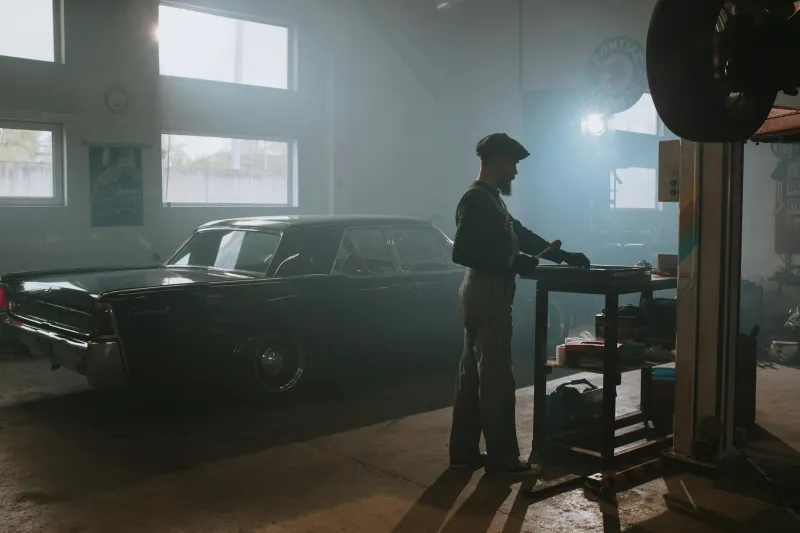
The Corner Garage Where Everyone Knew Your Name
Walk through any American neighborhood built before 1980, and you'll still see them: small, single-bay garages tucked between houses, often with a faded Mobil or Texaco sign hanging crooked above a roll-up door. These weren't just gas stations — they were the beating heart of automotive life in America, where fixing your car meant walking three blocks and talking to Jimmy, not scheduling an appointment six weeks out at a dealership.
For most of the 20th century, car trouble didn't mean financial catastrophe. When your transmission started slipping or your brakes began squealing, you drove to the corner garage where the same mechanic who'd fixed your father's Buick would slide under your car with a creeper and a flashlight. No appointment necessary. No diagnostic fee. Just honest work at honest prices.
When Car Repair Was Actually Affordable
In 1975, the average auto repair bill ran about $45 — roughly $250 in today's money. But here's what made it different: that price included everything. Labor, parts, and a mechanic who explained what was wrong in plain English, not technical jargon designed to justify a $1,200 estimate.
These neighborhood mechanics operated on razor-thin margins but made up for it in volume and repeat customers. They'd rebuild your alternator instead of selling you a new one. They'd weld a crack instead of replacing an entire component. When your muffler developed a hole, they'd patch it for $15 rather than insist you needed a complete exhaust system overhaul.
Contrast that with today's reality: the average auto repair bill now exceeds $500, and that's before you factor in the diagnostic fees that many shops charge just to tell you what's wrong. Modern dealerships routinely present repair estimates that exceed the monthly rent in most American cities.
The Death of the Neighborhood Fix
What killed the corner garage wasn't just changing technology — though computerized engines certainly played a role. The real culprit was consolidation. As automakers began requiring specialized diagnostic equipment that cost tens of thousands of dollars, small independent shops couldn't compete. Insurance companies started steering customers toward "preferred" repair networks. Chain operations like Jiffy Lube and Valvoline Instant Oil Change moved in with standardized procedures and corporate backing.
By the 1990s, most neighborhood mechanics had either sold out to chains or simply closed their doors. The mechanic who could fix anything with basic tools and decades of experience was replaced by technicians who plugged diagnostic computers into your car's data port and read error codes from a screen.
When Cars Were Meant to Be Fixed, Not Replaced
The old corner garage model worked because cars were built differently. A 1965 Chevrolet Impala was designed to be repaired. Parts were interchangeable, systems were mechanical rather than electronic, and a skilled mechanic could rebuild major components with basic shop tools. Engines routinely went 200,000 miles with proper maintenance, and "proper maintenance" meant oil changes every 3,000 miles and a tune-up twice a year.
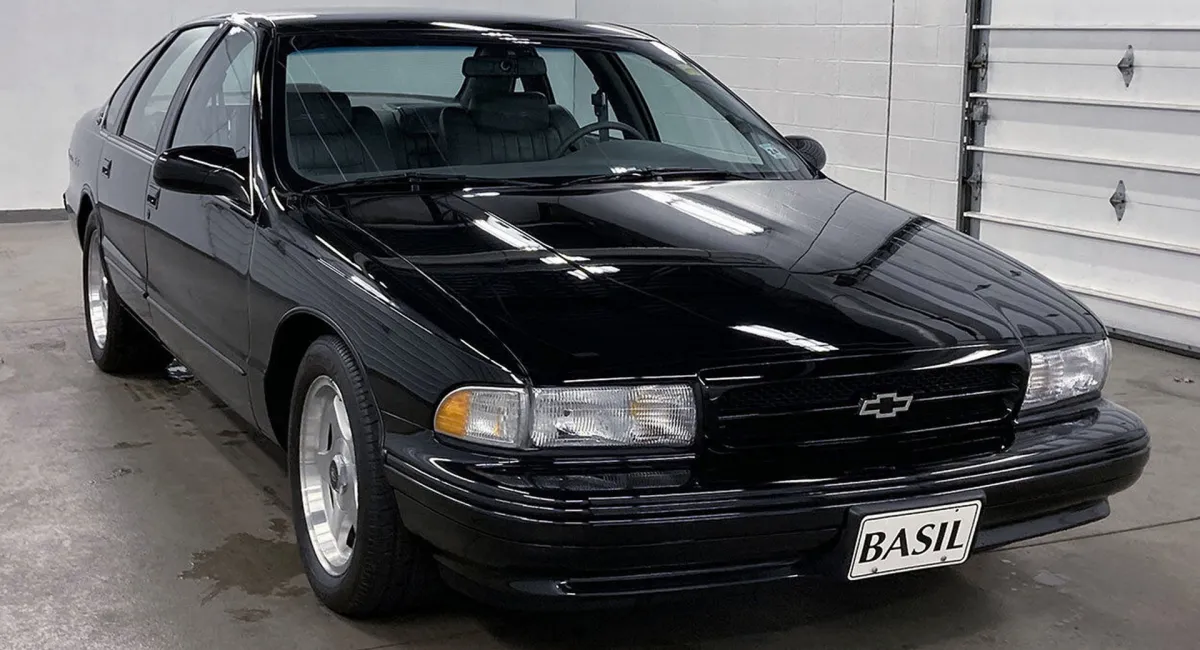 Photo: Chevrolet Impala, via www.carscoops.com
Modern vehicles are marvels of engineering, but they're engineered for replacement, not repair. When a sensor fails in your 2024 SUV, you can't just clean the contacts and reinstall it — you need a new part that costs $300 and requires proprietary software to program. The "check engine" light that once meant a loose gas cap now triggers a diagnostic process that starts at $150 before anyone even looks under the hood.
The Hidden Cost of Corporate Auto Care
Today's auto repair landscape isn't just more expensive — it's designed to be more expensive. Dealership service departments operate as profit centers, not customer service. The mechanic doesn't own the shop, doesn't live in your neighborhood, and often doesn't even see your car — a service advisor handles the customer interaction while technicians work from computer-generated repair orders.
The old neighborhood garage charged $25 an hour for labor because the mechanic was also the owner, bookkeeper, and parts manager. Today's dealerships charge $180 per hour because they're supporting layers of management, fancy waiting areas with free coffee, and shareholders who expect quarterly profit growth.
What We Lost When Jimmy Retired
The transformation of auto repair from neighborhood service to corporate industry represents more than just higher prices — it's emblematic of how American commerce moved away from personal relationships toward standardized transactions. Your neighborhood mechanic had a reputation to maintain on every street corner. He lived where he worked, shopped where his customers shopped, and sent his kids to the same schools.
That mechanic couldn't afford to rip you off because he'd see you at the grocery store the next week. Modern chain operations and dealership networks don't have that accountability. If you're unhappy with the service, you can leave a Yelp review and take your business elsewhere — to another corporate chain that operates under the same profit-maximizing principles.
The corner garage represented an America where essential services remained accessible to working families, where expertise was valued over efficiency, and where fixing something was always cheaper than replacing it. In losing that model, we didn't just change how we maintain our cars — we changed the entire relationship between service and community, between craftsmanship and commerce.
Now when your car breaks down, you don't walk to Jimmy's garage. You schedule an appointment, take time off work, and prepare for a bill that might require financing. That's progress, but it's worth asking: progress toward what?