The $300 Wedding That Everyone Still Talks About — Before America Decided Marriage Needed a Marketing Budget
When the Church Hall Was Good Enough
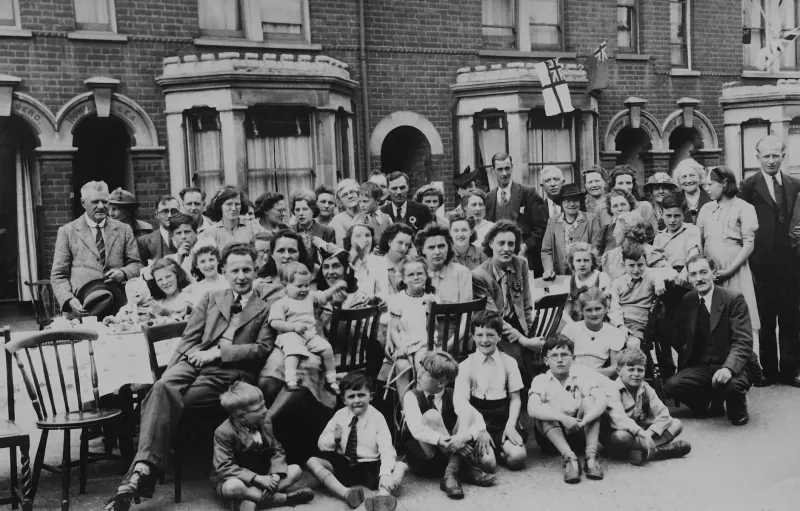
Mary and Robert Thompson got married on a Saturday afternoon in June 1962 at St. Mary's Catholic Church in Toledo, Ohio. The ceremony cost nothing — Father McKenna had known Mary's family for twenty years and wouldn't take money for performing the sacrament. The reception was held in the church basement, decorated with flowers from Mary's mother's garden and white tablecloths borrowed from the parish women's auxiliary.
 Photo: Toledo, Ohio, via townsquare.media
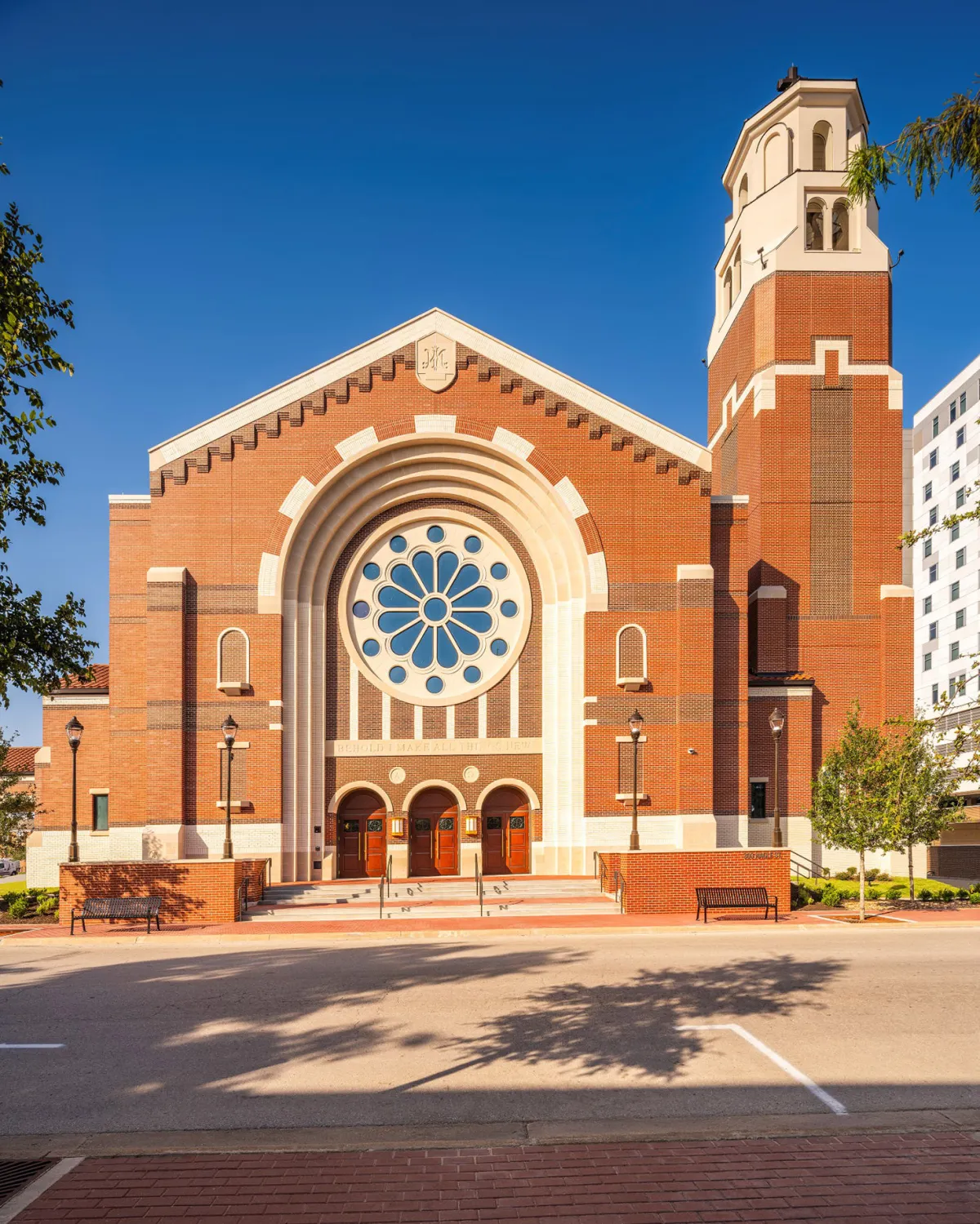 Photo: St. Mary's Catholic Church, via www.brwarch.com
Total cost: $127, including Mary's dress (borrowed from her cousin), the photographer (the church organist's brother who did weddings on weekends), and enough food to feed 75 guests. In today's dollars, that's roughly $1,200 — less than what modern couples spend on wedding invitations.
The Thompsons' wedding wasn't considered cheap or modest. It was normal. For most of American history, weddings were family celebrations, not theatrical productions. The point was to get married, not to create an "experience" or a "brand moment" that would photograph well for social media that didn't exist.
The Potluck Reception That Built Communities
Wedding receptions in the 1950s and 60s operated on the same principle as church suppers and community gatherings: everyone contributed something. Aunt Helen made her famous potato salad. The groom's father provided beer from his distributor connections. The bride's mother spent weeks baking and freezing dinner rolls.
This wasn't about saving money — though it certainly did that. It was about involving the entire community in the celebration. When Uncle Joe played accordion for the dancing and Cousin Margaret took photographs with her Kodak camera, they weren't vendors providing services. They were family members participating in a family milestone.
The wedding cake came from the local bakery where the bride's family had bought birthday cakes for years. The flowers were arranged by friends who gardened. The decorations were handmade during evenings when the women of both families gathered to cut crepe paper and tie ribbons. The wedding wasn't just a party — it was a community project.
When Marriage Was the Point, Not the Wedding
Pre-1980s wedding planning consisted of three decisions: when, where, and who to invite. The "when" was usually determined by the church calendar and family schedules. The "where" was the local church or synagogue, followed by the church hall, VFW post, or family backyard. The "who" was family, neighbors, and close friends — people who actually knew the couple.
Contrast that with today's wedding planning, which resembles producing a small-scale Broadway show. Modern couples navigate decisions about color schemes, signature cocktails, wedding websites, save-the-date cards, rehearsal dinner venues, brunch plans, welcome bags, escort cards, and dozens of other details that didn't exist in 1965.
The average American wedding now costs over $30,000, according to industry surveys. That's more than the median annual household income in many parts of the country. It's enough money to buy a house in some markets, fund a graduate degree, or provide a substantial down payment on a family's future.
How the Wedding Industry Invented Itself
The transformation of American weddings from family celebrations to commercial productions didn't happen overnight. It began in the 1980s when magazines like Modern Bride and Bridal Guide convinced couples that their wedding needed to be "perfect" — and that perfection required professional help.
The wedding industry learned to manufacture anxiety about details that previous generations had never considered. Suddenly, couples worried about whether their centerpieces matched their color scheme, whether their invitations properly conveyed their "style," and whether their guests would have the right "experience."
Vendors multiplied to address these manufactured concerns. Wedding planners emerged to coordinate details that families had once handled themselves. Specialty photographers charged premium rates to capture "candid moments" that used to happen naturally. Caterers convinced couples that serving family recipes wasn't sophisticated enough for their "special day."
The Pinterest Problem and Social Media Pressure
Social media accelerated the wedding arms race by making every celebration public and comparable. Pinterest boards full of "inspiration" convinced couples that their wedding needed to look like magazine spreads. Instagram created pressure to design "moments" that would photograph well and generate likes.
Modern couples don't just plan weddings — they curate experiences designed to impress people they barely know. The average wedding now includes elements that would have been incomprehensible to previous generations: signature cocktails named after the couple's pets, elaborate welcome bags for out-of-town guests, and professional lighting designers to ensure optimal photography conditions.
The result is that weddings have become performances rather than ceremonies. Couples spend months orchestrating details designed to create specific visual impressions, often losing sight of the actual purpose: publicly committing to spend their lives together.
What We Lost in Translation
The shift from community celebrations to commercial productions changed more than just wedding costs — it changed the entire meaning of marriage in American culture. When weddings were simple family affairs, the focus remained on the couple's commitment to each other and their integration into the community.
Modern weddings often feel like elaborate parties where the marriage ceremony is just one element in a weekend-long entertainment package. The bride and groom become hosts responsible for their guests' experience rather than participants in a sacred or meaningful ritual.
The old model also distributed the emotional and financial burden across the entire community. When everyone contributed something — time, food, music, photography — no single family bore the entire cost. The celebration belonged to the community, not just the couple.
The Real Cost of Wedding Inflation
The explosion in wedding costs reflects broader changes in American consumer culture, but it has specific consequences for marriage and family formation. Couples who spend $30,000 on a single day often begin their marriages with significant debt. Money that could have funded a house down payment, emergency savings, or family planning instead goes to vendors they'll never see again.
More troubling, expensive weddings can create unrealistic expectations for marriage itself. Couples who spend months planning a perfect day sometimes struggle to adjust to the ordinary reality of married life. The wedding industry's emphasis on fairy-tale romance can leave newlyweds unprepared for the practical work of building a life together.
When Simple Was Enough
The Thompsons' $127 wedding lasted six hours and created memories that sustained a 58-year marriage. Their reception featured dancing to live accordion music, a three-tier cake from Kowalski's Bakery, and enough pierogies to feed everyone twice. The photographs were black and white, the decorations were handmade, and nobody worried about whether the napkins matched the tablecloths.
What made their wedding special wasn't the production value — it was the presence of people who cared about their future together. The church basement wasn't elegant, but it was familiar. The food wasn't gourmet, but it was made with love. The music wasn't professionally mixed, but it got everyone dancing.
Modern couples can still choose simplicity, but they have to resist an entire industry designed to convince them that simple isn't enough. The wedding industry has successfully convinced Americans that marriage deserves a celebration worthy of its importance — and that worthy celebrations require professional planning, premium vendors, and substantial financial investment.
But the Thompsons knew something we've forgotten: the wedding isn't the marriage. The party isn't the point. And sometimes the most meaningful celebrations are the ones that focus on meaning rather than spectacle.