The Corner Tailor Who Kept America Dressed: When Clothes Lasted Decades Instead of Seasons
Walk down any American main street today, and you'll pass plenty of nail salons, phone repair shops, and coffee chains. What you won't find much of are the small storefronts that once anchored every neighborhood's economy: the local tailor shop. These weren't high-end boutiques serving wealthy customers — they were practical businesses that helped ordinary American families make their clothes last.
In an era when a good suit cost the equivalent of two weeks' wages, throwing away damaged clothing wasn't an option. Instead, Americans relied on skilled craftspeople who could resurrect torn jackets, resize inherited dresses, and transform outdated styles into contemporary looks. The relationship between Americans and their clothes operated on completely different economics than today's throwaway fashion culture.
Every Block Had Its Clothing Doctor
In 1950, there were over 60,000 tailor shops operating across America — roughly one for every 2,500 people. Compare that to today, when fewer than 15,000 tailors serve a population more than twice as large. Every neighborhood had at least one person who could expertly alter, repair, and maintain clothing.
These weren't just alteration services. Neighborhood tailors and seamstresses functioned more like clothing doctors, diagnosing problems and prescribing solutions that could extend a garment's life by years or even decades. A skilled tailor could replace worn elbows on jackets, take in or let out waistlines as bodies changed, and update styling to keep clothes looking current.
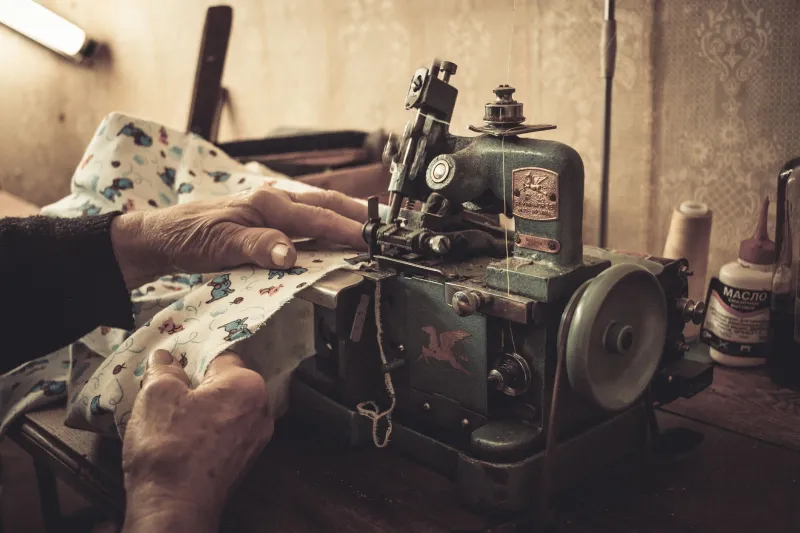
The typical tailor shop occupied a small storefront with a few sewing machines, pressing equipment, and racks of clothing awaiting repair. The real equipment was the expertise — knowledge accumulated over years of working with different fabrics, construction techniques, and body types.
When Clothes Were Investments, Not Impulses
The economics that supported neighborhood tailors reflected a fundamentally different relationship between Americans and their wardrobes. A man's business suit in 1955 cost about $75 — equivalent to roughly $800 today. But unlike modern suits that might last a few years with regular wear, these garments were built to endure decades of use and multiple alterations.
Women's dresses followed similar patterns. A quality dress might cost $25-40, representing a significant household expense. But that same dress could be altered multiple times as fashions changed or body sizes shifted. Hemlines could be raised or lowered, sleeves could be shortened or lengthened, and waistlines could be adjusted to follow current styles.
Families budgeted for clothing differently than we do today. Instead of buying multiple cheap items each season, they purchased fewer, higher-quality pieces and maintained them carefully. A teenager's prom dress might later become a cocktail dress with alterations, then eventually be passed down to a younger sister.
The Art of Making Old Look New
Skilled tailors could perform remarkable transformations on aging garments. A 1940s suit jacket could be updated with new lapels and buttons to look contemporary in the 1960s. A dress from the early 1950s could be shortened and restyled to capture the mod look of the mid-1960s.
This wasn't just about saving money — it was about maintaining quality. Many older garments were made from superior fabrics and construction techniques that weren't available in newer, cheaper alternatives. A wool coat from the 1940s, properly maintained and occasionally updated, could provide better warmth and durability than multiple newer coats.
Tailors also specialized in invisible repairs that could make damaged clothing look new again. Cigarette burns could be rewoven, tears could be mended so skillfully they disappeared, and worn areas could be reinforced before they became holes. These repairs required genuine craftsmanship that most Americans today have never seen.
The Economics of Expertise
Tailor shops thrived because their services made economic sense for customers. Having a suit altered to fit properly cost perhaps $10-15 — far less than buying a new garment. Repairing a torn dress might cost $3-5, compared to $25 for a replacement.
More importantly, professional alterations could make inexpensive clothes look expensive. A $15 dress that fit perfectly after professional tailoring looked better than a $40 dress that fit poorly off the rack. Americans understood that fit was more important than price when it came to looking well-dressed.
Tailors also offered services that don't exist in most places today. They could copy favorite garments, create custom pieces from patterns, and even design original clothing for special occasions. A neighborhood seamstress might make wedding dresses, prom gowns, and business suits alongside daily alterations and repairs.
When Mending Was a Life Skill
Professional tailors handled complex work, but most Americans also possessed basic mending skills that kept clothes functional between professional services. Mothers taught daughters to darn socks, patch holes, and replace buttons. Fathers showed sons how to polish shoes and maintain leather goods.
These weren't quaint domestic arts — they were practical skills that saved money and extended the life of expensive clothing. A family that could handle minor repairs and maintenance at home spent far less on clothing than families who replaced damaged items.
Schools taught basic sewing skills in home economics classes, ensuring that young Americans learned to maintain their wardrobes. High school students learned to operate sewing machines, understand fabric types, and perform alterations. These skills served them throughout their adult lives.
The Rise of Disposable Fashion
The transformation began in the 1970s and accelerated through the following decades. Manufacturing improvements made new clothing increasingly affordable, while global trade brought cheap imports that cost less than professional repairs.
Simultaneously, fashion cycles accelerated. Instead of styles changing gradually over years, trends began shifting seasonally or even monthly. The incentive to maintain and alter clothing diminished when styles became obsolete before garments wore out.
Mass production also changed clothing construction. Garments designed for short lifespans used different techniques and materials than clothes built to last decades. Modern fast fashion often can't be successfully altered because the construction methods and fabric quality don't support extensive modification.
The True Cost of Cheap Clothes
Today's Americans spend a smaller percentage of their income on clothing than any previous generation, but they also own far more clothes and replace them far more frequently. The average American buys about 70 new garments annually — more than one per week.
This shift created new costs that weren't apparent in the old system. Storage space for large wardrobes, time spent shopping for replacements, and the environmental impact of textile waste all represent hidden expenses of cheap, disposable clothing.
Meanwhile, the few remaining tailors often charge premium prices for services that were once routine and affordable. Having a suit properly tailored today might cost $100-200, making alteration nearly as expensive as buying new mass-produced clothing.
What We Lost in the Translation
The decline of neighborhood tailors represents more than just changing fashion economics. We lost craftspeople who understood how clothes should fit and could make adjustments that enhanced both comfort and appearance. We lost the option to maintain and modify quality garments over decades of use.
Perhaps most importantly, we lost a different relationship with material possessions. When clothes were expensive and repairs were affordable, Americans treated garments as valuable assets worth maintaining. Today's throwaway culture assumes that replacement is always preferable to repair.
The Tailor's Measuring Tape vs. The Size Chart
Modern clothing relies on standardized sizing that fits few people perfectly. The old system assumed that good fit required individual adjustment. Every purchase was an opportunity for customization, not a compromise with mass-produced dimensions.
This difference affected how Americans looked and felt in their clothes. Properly fitted garments enhanced appearance and comfort in ways that off-the-rack clothing rarely achieves. The investment in professional fitting paid dividends in confidence and durability.
As we navigate closets full of clothes that don't quite fit and don't quite last, it's worth remembering the neighborhood tailors who once made every garment an individual creation. They didn't just fix clothes — they helped Americans look their best while making their clothing budgets stretch as far as possible. In their skilled hands, a well-made garment could last a lifetime.