From Gym Handshakes to Stadium Productions — How High School Graduation Became America's Most Expensive Milestone
The $47 Ceremony That Nobody Questioned
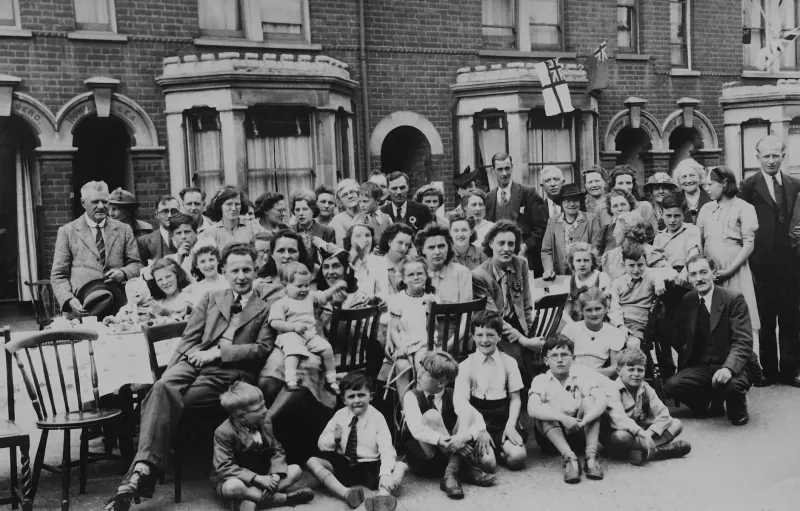
In 1973, graduation day at Lincoln High School in suburban Cleveland looked like this: 247 seniors filed into the gymnasium at 2 PM, wearing identical blue caps and gowns that cost $3.50 to rent. Principal Matthews called each name, handed over a diploma with a firm handshake, and by 4 PM, families were grilling burgers in backyards across town.
 Photo: Lincoln High School, via www.porn-star.com
Total cost for the ceremony? The school paid $47 for folding chair rental.
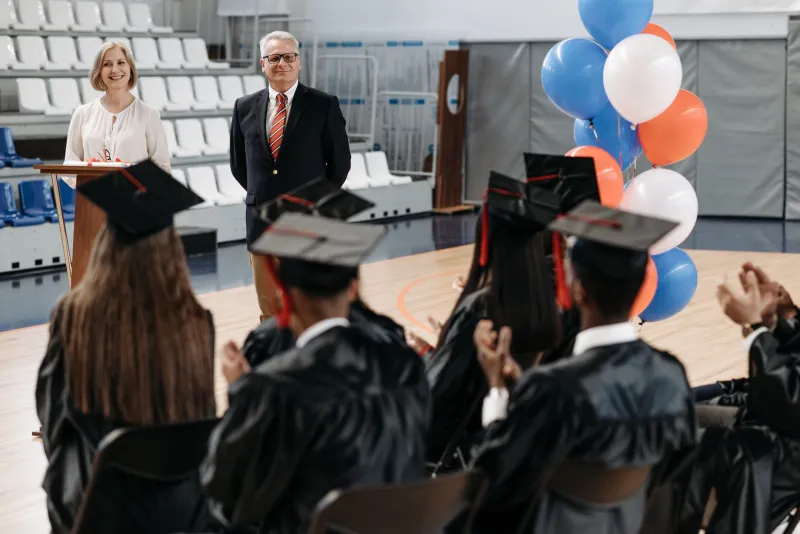
Fast-forward fifty years, and graduation has transformed into something unrecognizable. The same high school now holds its ceremony at the county convention center, charges families $25 per ticket, and requires graduates to purchase their regalia for $89. Professional photographers roam the aisles. A videography package costs $149. The "graduation experience" has become a revenue stream that generates more money than most small businesses.
How did America decide that marking the end of high school required a production budget?
When Caps and Gowns Were Costumes, Not Purchases
The most telling change isn't where graduation happens — it's who pays for it. For decades, American high schools owned sets of graduation regalia that students borrowed, wore once, and returned. The school's investment in a few dozen caps and gowns served hundreds of graduates over many years.
Sometime in the 1990s, this sensible system was quietly abandoned. Suddenly, every graduate needed to purchase their own cap and gown, often from a single approved vendor with monopoly pricing. What had been a shared community resource became an individual expense.
The financial impact seems small — $89 for graduation regalia isn't going to bankrupt most families. But multiply that by every milestone, every ceremony, every tradition that shifted from shared community cost to individual family expense, and you start to understand how American life got so expensive.
The Venue Arms Race
The migration from school gymnasiums to rented venues tells the story of American expectations in miniature. High school gyms could accommodate maybe 500 people — enough for graduates and their immediate families. The setup was simple: folding chairs, a small stage, and a podium borrowed from the library.
But American families got bigger ideas about who needed to attend graduation. Suddenly, every graduate required seats for parents, grandparents, siblings, aunts, uncles, and family friends. The gym couldn't handle the crowd, so schools started renting larger venues.
Those larger venues came with larger costs — and larger expectations. You can't hold a ceremony in a convention center without professional lighting, sound systems, and staging. The simple becomes elaborate almost by accident.
Today, many school districts spend more on graduation venue rental than they do on library books. The ceremony that once cost schools dozens of dollars now costs thousands, and those costs get passed along to families through ticket fees, parking charges, and mandatory purchases.
The Photography Industrial Complex
Nothing captures the transformation of American graduation like the rise of professional ceremony photography. In 1975, families brought their own cameras — maybe a Polaroid for instant pictures, or a 35mm camera for those who planned ahead.
Now, professional photographers are embedded in the ceremony itself. They position themselves at strategic angles to capture "the moment" when each graduate receives their diploma. Families can purchase these photos for $40 each, or buy the "complete graduation package" for $299.
The photos are undeniably higher quality than what dad could capture from the bleachers with his phone. But something was lost when graduation photography became a service you buy rather than a memory you make.
Previous generations have graduation photos too — slightly blurry, sometimes poorly lit, but taken by people who loved the graduate. Today's professional shots are technically perfect and emotionally sterile, like stock photos of your own life.
The Multi-Day Celebration Economy
Perhaps the biggest change is how long graduation lasts. What used to be a single afternoon event has stretched into a week-long celebration season, each day requiring its own expenses.
There's the senior trip (average cost: $1,200). The graduation party ($800). The professional portrait session ($350). The graduation announcement cards ($150). The "senior night" dinner ($200). The cap decoration supplies ($75). The graduation dress or suit ($300).
By the time families add up all the graduation-related expenses, they've spent more than $3,000 to mark the end of high school. That's more than many families used to spend on a year of college tuition.
When Simple Became Shameful
The real shift wasn't economic — it was cultural. Somewhere along the way, America decided that simple celebrations were insufficient celebrations. The backyard barbecue became "not enough." The handshake and diploma became "too basic." The gymnasium ceremony became "not special enough."
This wasn't driven by graduates demanding more elaborate celebrations. Most eighteen-year-olds would be perfectly happy with pizza and a handshake. The pressure came from a culture that began measuring love and achievement through spending.
Schools found themselves competing not just for academic recognition, but for graduation spectacle. Districts that tried to maintain simple, affordable ceremonies were seen as "not caring enough" about their students. The arms race was inevitable.
The Real Cost of Milestone Inflation
The graduation transformation reflects a broader American phenomenon: the inflation of life's milestones. Weddings became productions requiring second mortgages. Baby showers became themed events requiring professional planning. Birthday parties became elaborate experiences requiring venue rental.
Each individual change seems reasonable — who doesn't want to celebrate their child's achievements? But collectively, these inflated milestones create a constant financial pressure that previous generations never experienced.
Families now budget for celebration the way they once budgeted for necessities. The money that might have gone toward a graduate's college fund instead goes toward making their graduation "memorable."
What We Gained and What We Lost
Today's graduation ceremonies are undeniably more impressive than the gym handshakes of previous generations. The production values are higher, the photos are better, and the experience feels more significant.
But something intangible was lost in the transformation. The old ceremonies belonged to the community — they were held in shared spaces, paid for collectively, and focused entirely on the achievement being celebrated.
Modern graduation ceremonies often feel like events that happen to families rather than celebrations created by them. The focus shifts from the graduate's accomplishment to the family's ability to afford the celebration package.
The Simple Truth
Your parents' graduation ceremony wasn't elaborate because it didn't need to be. The diploma was the point, not the production around it. The handshake from the principal meant something because it represented the completion of twelve years of work, not because it was professionally photographed.
The gym ceremony was sufficient because the community understood that the achievement itself was what mattered. The celebration was just the punctuation mark at the end of the sentence, not the sentence itself.
Today's graduates are no less accomplished than their grandparents. But they're graduating into a culture that has forgotten how to mark achievements without purchasing them.
The most expensive part of modern graduation isn't the venue rental or the photography package — it's the quiet assumption that simple celebrations aren't enough anymore. That might be the costliest lesson American families ever learned.