Ink, Stamps, and Seven Days of Wondering — The Era When a Letter Meant Everything
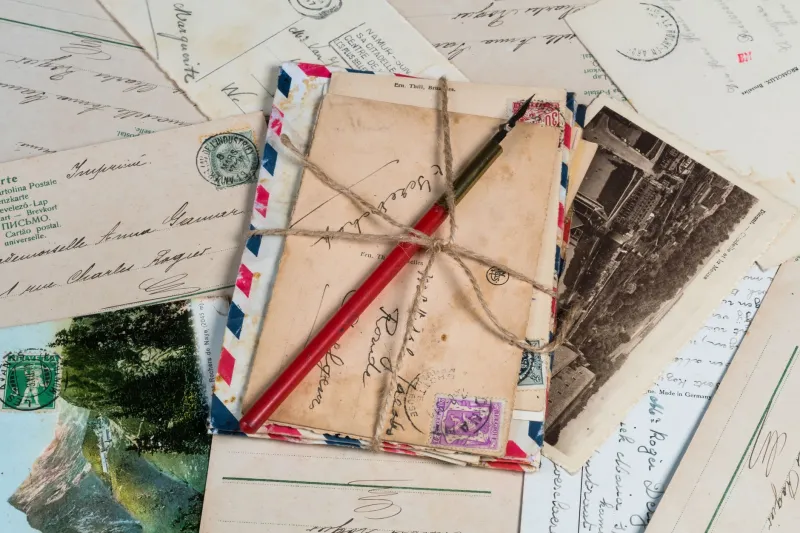
Picture this: you're a college student in 1974, three states away from home for the first time. You've been gone six weeks. Your mother has written you twice. The second letter arrived yesterday, and you've already read it four times. Not because the news was dramatic — it wasn't. She talked about the garden, your younger brother's baseball game, a neighbor's new dog. But you've read it four times because it's the closest thing to home that exists in your dorm room, and someone sat down specifically to put those words on paper for you.
That experience — the weight of a handwritten letter, the particular intimacy of someone's actual handwriting, the knowledge that this object traveled physically across the country to reach you — is almost entirely gone. And we replaced it with something that works faster and costs nothing and somehow manages to feel like considerably less.
The Economics of Effort
Writing a letter was a minor investment by modern standards, but an investment nonetheless. You needed paper, an envelope, a stamp, and enough uninterrupted time to actually compose your thoughts. You couldn't dash one off in thirty seconds between tasks. The medium demanded that you sit down, think about what you wanted to say, and then say it — because you only got one shot. There was no editing after you sealed the envelope.
That friction wasn't a flaw in the system. It was the system.
The effort required to write a letter was, in effect, a built-in signal of how much you valued the person receiving it. When someone took forty-five minutes out of their week to write to you, the time expenditure itself was part of the message. You didn't need them to add "I was thinking about you" — the act of writing proved it.
Compare that to a text message. The average text takes somewhere between eight and fifteen seconds to compose and send. It requires no materials, no postage, no planning. The marginal cost of reaching out to someone is essentially zero. And while that's made communication more frequent and more accessible, it's also stripped the act of reaching out of almost all its signaling power.
When anything is free, it's hard to use it to demonstrate that something matters to you.
The Anticipation Economy
There's another piece of the letter era that gets overlooked: the wait itself was part of the relationship.
If you mailed a letter to a friend in another city, you knew roughly when they'd receive it. You knew they'd read it sometime in the next week. And then you'd wait — for their reply, which would take another week to reach you. The entire exchange unfolded over the course of weeks or months. A long correspondence between two people could span years.
That pacing changed what people wrote. Letters weren't just messages — they were documents. People wrote about their lives with a kind of considered detail that texts and emails rarely achieve, because they knew the reader would be sitting down to read something, not glancing at a screen between meetings. They described places, moods, weather, small observations. They told stories. They reflected.
The result was that long correspondences between people often read, decades later, like literature. The letters between American soldiers and their families during World War II. The correspondence of writers, politicians, and ordinary people preserved in archives across the country. These weren't just communications — they were portraits of a time, written with care because the medium demanded it.
Now we have seventeen years of group chats and no one's printing those out for posterity.
When Distance Was Real
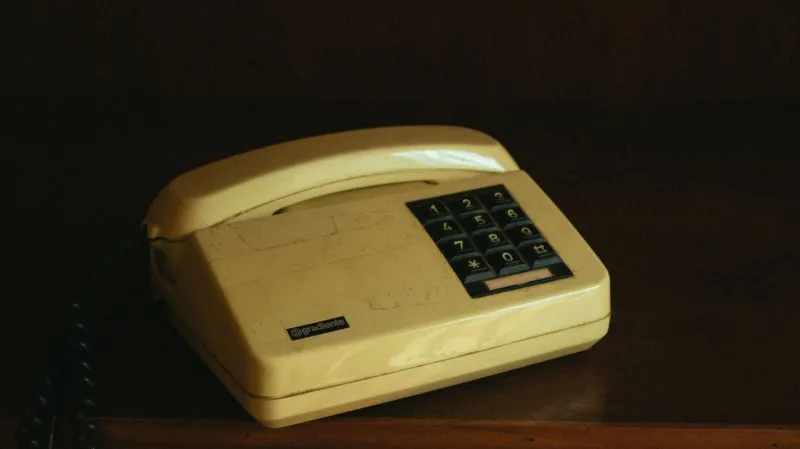
For a long stretch of American history, being far from someone meant actually being far from them. A family member in another state was, in a very practical sense, unreachable on a daily basis. Phone calls were expensive — a long-distance call in the 1960s could cost the equivalent of several dollars a minute in today's money. So people wrote.
And because they wrote, the relationships they maintained across distance required deliberate effort to sustain. You had to decide, consciously, to keep someone in your life. You had to make the time. You had to sit down with a pen.
That intentionality shaped how people thought about their relationships. Distance was a filter — not a cruel one, but a real one. The people you wrote to were the people who mattered enough to write to. And when a letter arrived from someone, it confirmed that you were in that category for them too.
Today, staying nominally connected to five hundred people requires almost no effort. You can like someone's photo and call it keeping in touch. You can react to a story and feel like you've checked in. The signal-to-noise ratio of modern connection has shifted dramatically — we have more contact with more people and often feel more isolated as a result.
What the Slowness Protected
Slow communication had one other quality worth naming: it protected the relationship from the worst versions of yourself.
You couldn't fire off an angry letter in the heat of the moment and have it arrive before you'd calmed down. By the time you'd written it, addressed it, and walked to the mailbox, you'd usually thought better of it. The friction of the medium created a natural cooling-off period. Disputes that might have escalated instantly via text had time to breathe.
There's a reason some therapists now recommend writing a letter you never send as a way of processing conflict. The act of writing at length, without the expectation of an immediate response, changes how you think through a problem.
The letter was doing that work all along.
Borrowing the Spirit, Not the Stamp
None of this is a case for abandoning email or going back to handwritten correspondence as a daily practice. The speed and accessibility of modern communication have created real value — particularly for people managing work, families, and relationships across multiple time zones.
But there's something worth reclaiming from the letter era, even in a small way. Writing an actual note to someone — on paper, by hand, sent through the mail — still lands differently than any digital message. Not because it's old-fashioned, but because it's evidence. Evidence that you thought about the person, sat down for them, and sent something that couldn't be unsent.
In a world where reaching out costs almost nothing, the things that cost something stand out.
Seven days of wondering what the reply would say. That was never the inconvenient part. That was the whole point.