Cake, Balloons, and a Garden Hose — Before Your Kid's Birthday Became a Brand Activation
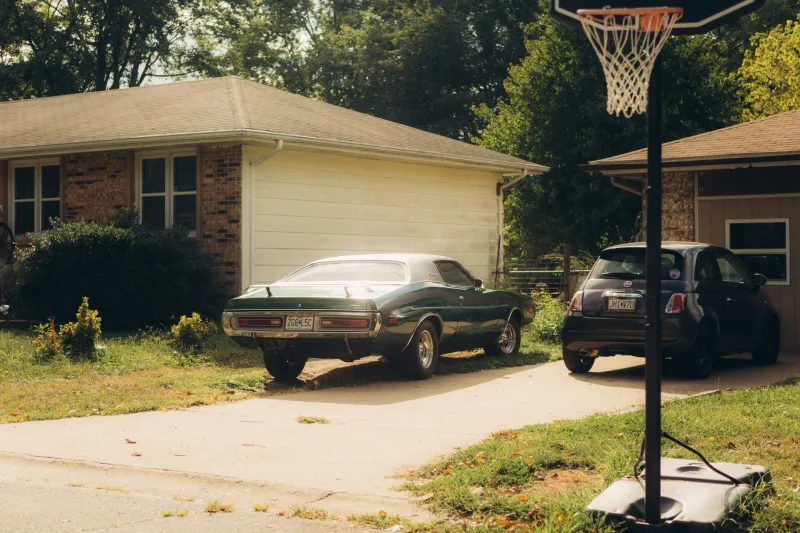
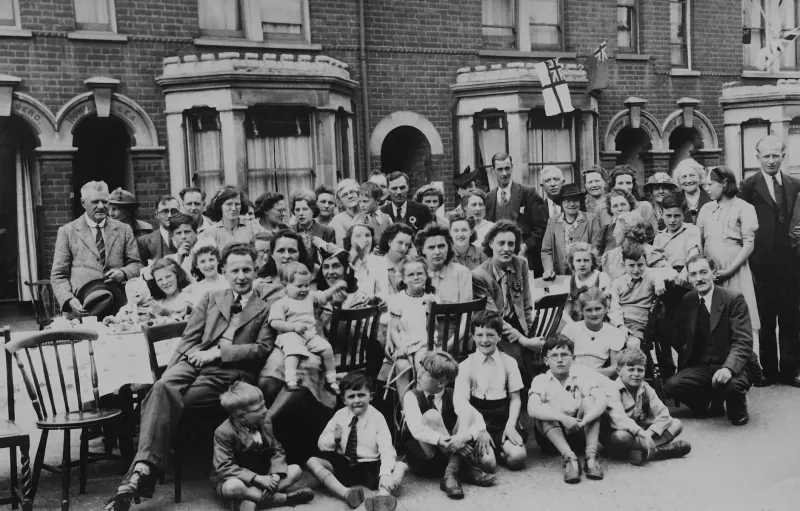
Somewhere around 1983, a kid named Kevin turned seven in a backyard in Ohio. There was a Duncan Hines chocolate cake with uneven frosting, a piñata stuffed with Tootsie Rolls, and a garden hose that doubled as a water fight weapon when things got slow. His mom spent maybe forty dollars, including the paper plates. Kevin remembers it as the best birthday of his life.
Now fast-forward to today. The average American family spends between $300 and $1,000 on a child's birthday party — and that number climbs considerably if you're renting a venue, hiring an entertainer, or commissioning a custom cake from someone with a professional Instagram account. For a lot of parents, the pressure to deliver a memorable experience has quietly turned a simple celebration into a financial production.
So what changed? And more importantly — was Kevin's party actually worse?
The Old Way: Simple, Spontaneous, and Surprisingly Enough
For most of the 1970s, 80s, and even into the 90s, a children's birthday party was a neighborhood event. You invited the kids from your street, maybe a few from school, and you held it wherever you had space — usually the backyard in summer, the living room in winter. The decorations came from the party supply aisle at the grocery store. The entertainment was the kids themselves.
Games like Pin the Tail on the Donkey, Freeze Tag, and Musical Chairs weren't considered low-effort — they were just what you did. The cake was homemade or from the local bakery, not an architectural centerpiece designed to match a color palette. Goodie bags, if they existed at all, contained a handful of candy and a plastic ring.
Parents talked to each other across the fence. Kids ran until someone skinned a knee. The whole thing was over by four o'clock. Nobody went home disappointed.
When Did a Party Become a Production?
The shift didn't happen overnight. Through the late 1990s and into the 2000s, party supply chains expanded, themed merchandise became more accessible, and the entertainment industry got better at selling parents the idea that their child deserved something special. Chuck E. Cheese and Discovery Zone were early signs — places that took the party out of the home and into a commercial setting, with a per-head cost attached.
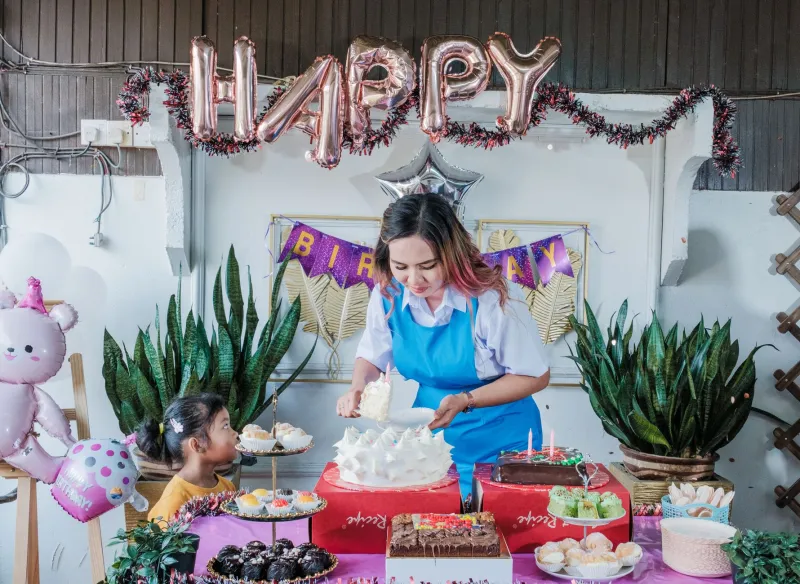
But the real transformation came with social media. Pinterest launched in 2010 and almost immediately became a gallery of aspirational parenting moments. Instagram followed with its highly visual format, and suddenly birthday parties weren't just for the kids attending — they were content. Coordinated balloon arches, custom neon signs, charcuterie boards for five-year-olds, matching outfits for the birthday child and their siblings. The audience expanded from twelve kids in a backyard to hundreds of followers watching in real time.
The effect on parental expectations was significant. A 2023 survey found that nearly 40% of parents feel social media pressure when planning their child's birthday. One in five admitted to spending more than they could comfortably afford because they were worried about how the party would look — to other parents, to extended family, and yes, online.
What It Costs Now — And What It Actually Buys
A mid-range birthday party today might include a rented venue at a trampoline park or pottery studio ($150–$400), a custom cake ($80–$200), professional decorations or a balloon installation ($100–$300), a photographer or photo booth rental ($150–$300), and personalized goodie bags ($5–$15 per child). Add food and drinks, and you're easily looking at $600–$1,200 for a two-hour event.
At the high end — think rented event spaces, entertainment packages, catered food, and a theme executed down to the napkins — families can spend $3,000 to $5,000 or more. Party planning has become a genuine industry, with professional children's event coordinators charging premium rates in major cities.
None of this is inherently wrong. Parents love their kids, and if a beautifully executed party brings joy, that's a legitimate choice. But it's worth asking: who is all this actually for?
The Kid Is Still Just Excited About the Cake
Child development experts have pointed out for years that young children don't experience celebration the way adults do. A four-year-old doesn't notice whether the balloon arch matches the tablecloths. What they notice is whether their friends showed up, whether they got to run around, and whether the cake was good. The emotional memory of a birthday party for a child is almost entirely disconnected from the production value.
What has changed isn't childhood — it's the adult layer wrapped around it. Birthday parties have become a form of parental expression, a signal of love and effort that's increasingly directed at an adult audience rather than the birthday kid. The performance isn't for the seven-year-old. It's for the other parents.
The Gap Between Then and Now
The real distance between Kevin's 1983 backyard party and a 2024 themed venue event isn't just financial — it's philosophical. It reflects a broader shift in how America thinks about childhood as something to be curated rather than simply experienced. Kids used to have birthdays. Now they have events.
That doesn't mean you should feel guilty for throwing your kid a great party. But it might be worth remembering that the most expensive part of Kevin's birthday — the one he still talks about forty years later — was the garden hose. And that was free.