When Every Kid in Town Had the Same Library Card — And It Opened Every Door That Mattered
The Democracy of Knowledge
Walk into any American public library in 1965, and you'd witness something remarkable: genuine equality in action. The banker's daughter and the factory worker's son sat at the same wooden tables, reading the same books, with the same unlimited access to human knowledge. A single library card — free to anyone with a local address — unlocked everything from Shakespeare to science, from local history to world literature.
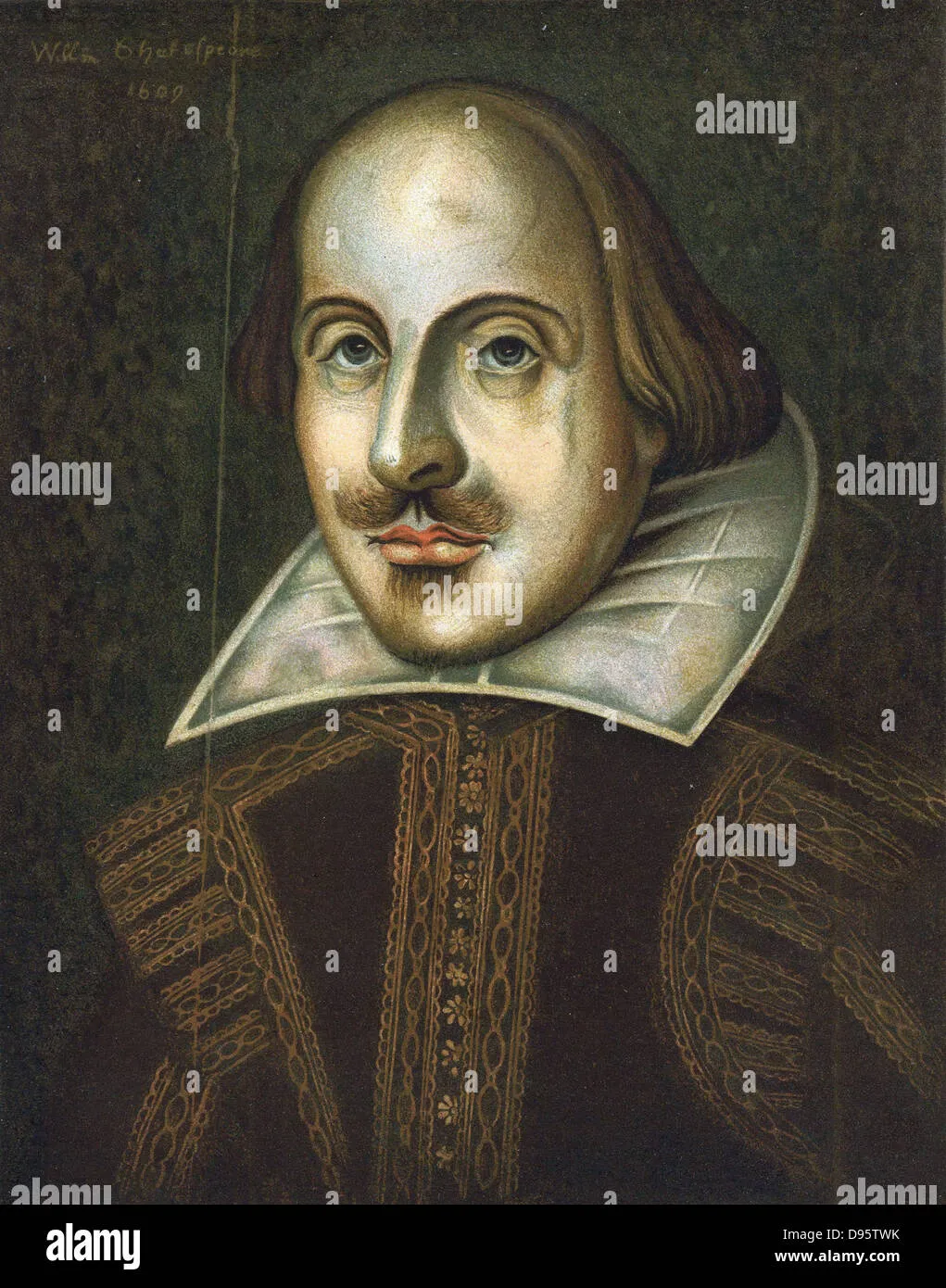 Photo: Shakespeare, via c8.alamy.com
Back then, the library wasn't just a building with books. It was America's intellectual commons, the one place where your family's income couldn't determine what you were allowed to learn.
When Librarians Were Navigators, Not Just Book Keepers
Mrs. Henderson knew exactly which mystery novels you'd devoured and could recommend three more you'd love. She remembered that you were working on a school project about the Civil War and had set aside a stack of books she thought might help. When you asked about something she didn't know, she'd walk you through the card catalog system, teaching you to fish rather than just handing you a fish.
 Photo: Civil War, via fs22.com
Librarians weren't just employees managing inventory — they were knowledge brokers, connecting curious minds with exactly what they needed to know. They understood that information without guidance was just noise, and they took seriously their role as intellectual matchmakers.
The reference desk was command central for every serious research project. Need to know the population of Peru in 1950? Want to understand how a car engine works? Looking for sheet music for a piano recital? The librarian would point you toward the right section, suggest related resources you hadn't considered, and often remember to ask how your project turned out when you returned the books.
The Ritual of Discovery
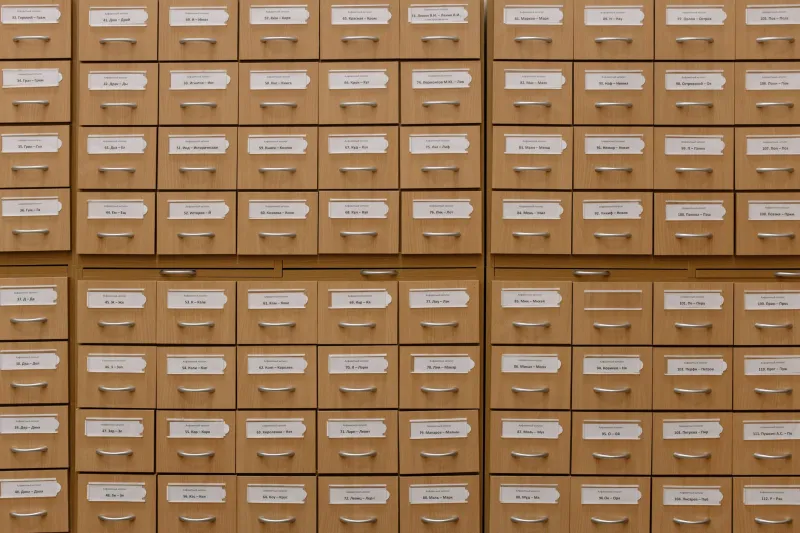
Finding information required patience, strategy, and genuine curiosity. You'd start with the card catalog — those endless wooden drawers filled with precisely typed index cards — and work your way through subject headings, cross-references, and call numbers. The process itself taught you how knowledge connected, how one idea led to another.
When you finally tracked down the book you needed, you'd earned it. You understood its context, its relationship to other sources, its place in the larger conversation about your topic. The effort invested in finding information made you value it more highly.
Children learned early that knowledge had structure, that expertise mattered, that some sources were more reliable than others. They discovered that research was detective work, requiring both persistence and critical thinking.
The Social Infrastructure of Learning
Libraries served as community living rooms where learning happened naturally. Teenagers would gather around tables working on homework, helping each other with math problems or sharing notes about history assignments. Older residents would read newspapers and discuss current events in quiet conversations that sometimes turned into impromptu civics lessons for younger patrons.
The library democratized not just access to information, but access to intellectual community. A shy kid who loved astronomy could find others who shared that passion. Someone trying to learn a new language could practice with fellow learners. The building itself fostered connections between curious minds.
Story time wasn't just entertainment — it was early childhood education disguised as fun, introducing kids to language, narrative structure, and the simple pleasure of learning something new. Parents who couldn't afford to buy books could still give their children a literary foundation.
What We Traded Away
Today's internet offers instant access to virtually unlimited information, but it also eliminated the infrastructure that helped people navigate, evaluate, and truly understand what they found. Google can deliver a million search results in milliseconds, but it can't teach you which sources to trust or help you understand how different pieces of information connect.
We've gained speed and convenience while losing the guided discovery that libraries provided. The serendipity of browsing physical shelves — stumbling across books you never knew you wanted to read — has been replaced by algorithms that show us more of what we already know we like.
The social aspect of learning has largely disappeared. Research has become a solitary activity conducted on personal devices, rather than a community endeavor that brought different generations and backgrounds together in shared intellectual space.
The Hidden Cost of "Free" Information
What seemed like progress — infinite information available instantly — came with hidden costs we're only beginning to understand. When everything is available immediately, nothing feels particularly valuable. When anyone can publish anything online, the role of expertise and curation becomes both more important and more difficult to identify.
The library card once represented something profound: society's commitment to ensuring that knowledge wouldn't be rationed by wealth. Today's information landscape offers unprecedented access alongside unprecedented confusion, infinite choice with diminished guidance.
We solved the problem of information scarcity so completely that we created new problems we're still learning to navigate. The neighborhood library card couldn't compete with Google's speed, but it offered something we didn't realize we'd miss: the patient, personal guidance that transformed information into understanding.