When Report Cards Actually Reported Something — The Era of Teachers Who Knew More Than Your Test Scores
The Classroom as Community
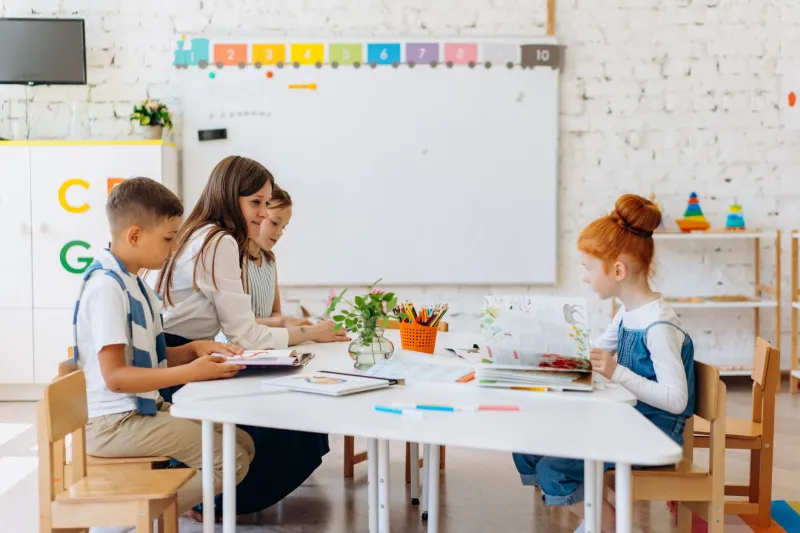
Mrs. Patterson taught fourth grade at Lincoln Elementary for thirty-two years, and she knew things about her students that no standardized test could measure. She knew that Tommy struggled with reading because his family had moved six times in three years. She understood that Sarah's perfectionism masked deep anxiety about disappointing her demanding parents. She recognized that Marcus's apparent disrespect was actually frustration with material that moved too slowly for his quick mind.
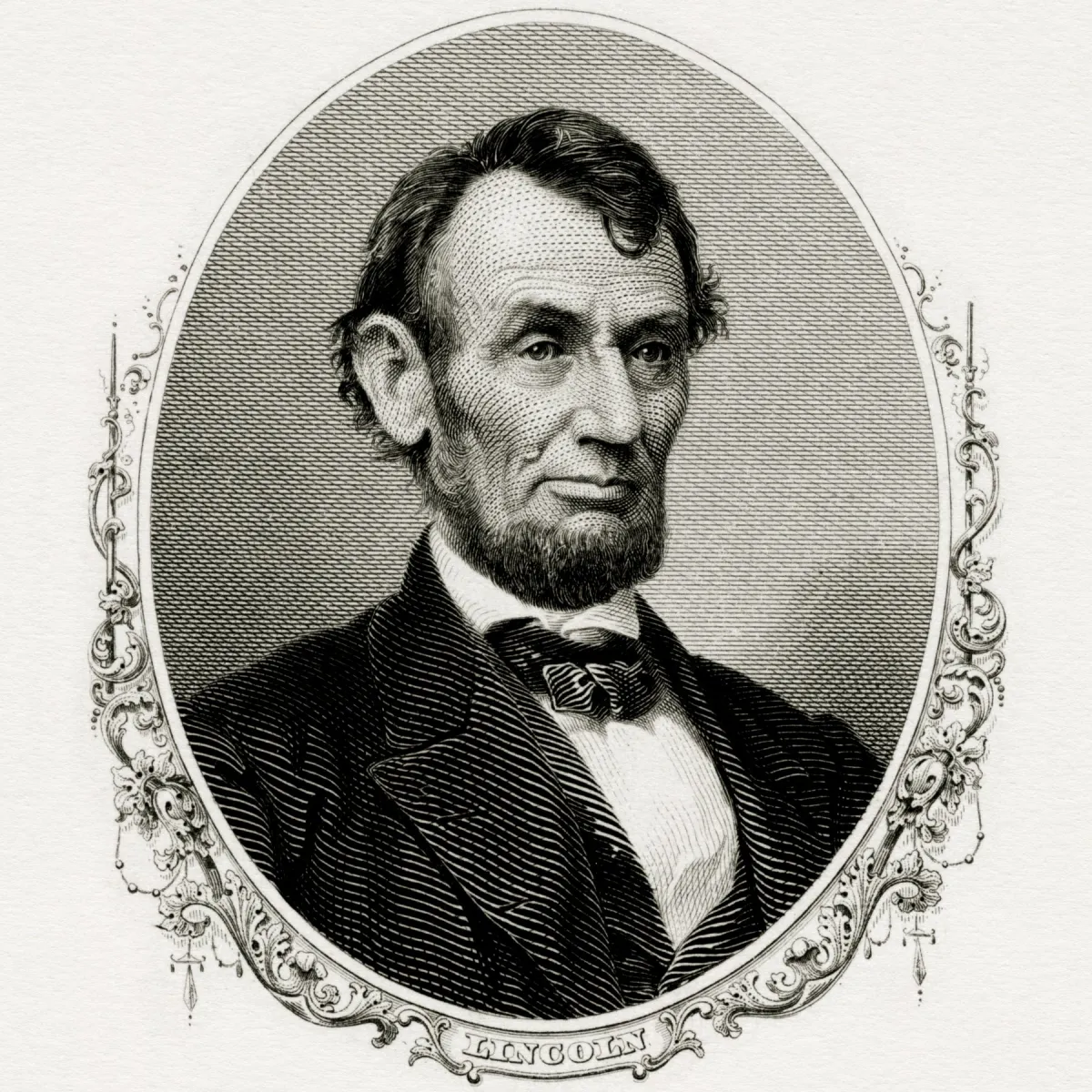 Photo: Lincoln Elementary, via classic-literature.co.uk
In 1968, Mrs. Patterson had twenty-eight students for the entire school year. She taught them reading, writing, arithmetic, science, social studies, and art. By October, she could predict how each child would respond to different teaching approaches. By Christmas, she knew their families, their challenges, and their potential.
This wasn't exceptional dedication — it was normal. American public education was built on the assumption that teaching was fundamentally about relationships, that learning happened when caring adults helped individual children discover their capabilities.
The Phone Call That Mattered
When your teacher called home, it meant something. Mrs. Patterson would dial your family's number around seven in the evening, after dinner but before bedtime, and speak directly to your parents about your progress. These weren't crisis interventions — they were regular check-ins, informal conferences that kept families connected to their children's education.
"I wanted to let you know that Jennifer has really improved her math skills this quarter," she might say. "But I'm noticing she seems tired in the afternoons. Is she getting enough sleep at home?" The conversation would last ten or fifteen minutes, covering academic progress, social development, and practical concerns.
Parents trusted these calls because they came from someone who actually knew their child. Mrs. Patterson had observed Jennifer for months, understood her learning style, and could offer specific insights that no computer algorithm could generate.
Report Cards That Told Stories
The report card that came home every nine weeks was a narrative document, not a data dump. Yes, it included letter grades for core subjects, but it also featured detailed comments written in Mrs. Patterson's careful cursive handwriting.
"Michael shows excellent creativity in his writing assignments and asks thoughtful questions during science lessons. He would benefit from additional practice with multiplication tables and needs encouragement to participate more actively in group discussions."
These comments revealed that someone had been paying attention, that education was about developing the whole child rather than just measuring academic performance. Parents could understand exactly where their child excelled and where they needed support.
The report card also included assessments of character traits: "Shows respect for others," "Follows directions," "Works well independently." These weren't throwaway categories — they reflected the understanding that school was preparing children for citizenship, not just college admissions.
The Economics of Personal Attention
This level of individualized education was possible because of how American schools were structured and funded. Class sizes were smaller, not because of intentional policy but because the system hadn't yet been optimized for efficiency. Teachers stayed in their positions for decades, building institutional knowledge and community relationships.
School districts hired teachers who lived in the communities they served. Mrs. Patterson shopped at the same grocery store as her students' families, attended the same community events, and understood the local context that shaped her students' lives. This wasn't just professional knowledge — it was neighborly familiarity.
The financial model supported this approach. Teacher salaries, while never luxurious, were sufficient to attract dedicated professionals who viewed education as a calling rather than just a job. Districts invested in keeping good teachers rather than constantly recruiting replacements.
When Parents Were Partners, Not Customers
Parent-teacher relationships operated on mutual respect and shared responsibility. Parents trusted teachers' professional judgment, while teachers respected parents' knowledge of their own children. Neither side viewed the other as adversary or obstacle.
Parent-teacher conferences were genuine collaborations. Mrs. Patterson would share her classroom observations, parents would provide home context, and together they'd develop strategies to help the child succeed. These meetings lasted as long as necessary, sometimes stretching to forty-five minutes for complex situations.
Parents didn't need to become education experts or hire tutors for elementary school subjects. They trusted that professional educators would identify problems early and work with families to address them before they became serious.
The Transformation of American Education
Today's educational system has been redesigned around measurement, accountability, and efficiency. Teachers manage larger classes, follow scripted curricula, and spend enormous amounts of time documenting student performance for administrative purposes. The emphasis has shifted from knowing students as individuals to tracking their progress through standardized metrics.
Modern parents receive detailed data about their children's academic performance but often struggle to understand what those numbers actually mean or how to help their children improve. Digital gradebooks provide instant access to scores but eliminate the context that made traditional report cards valuable.
Teachers want to build relationships with students and families, but systemic pressures make it increasingly difficult. High-stakes testing, frequent curriculum changes, and administrative demands consume time that once went to individual attention and family communication.
What We Gained and Lost
Modern educational reforms have addressed real problems: inconsistent standards, achievement gaps, and lack of accountability. Today's teachers have access to research-based instructional methods and sophisticated tools for tracking student progress. Special needs students receive services that were rarely available in earlier eras.
But we've also lost something essential: the understanding that education is fundamentally a human enterprise, that learning happens through relationships, and that children need adults who know them as individuals rather than data points.
The teacher who called your house knew things that no assessment could measure. She understood that your sudden drop in performance might be related to your parents' divorce, that your disruptive behavior might signal boredom rather than defiance, that your quiet nature might hide exceptional insight.
The True Cost of Efficiency
We've made American education more efficient, more measurable, and more accountable. We've also made it more impersonal, more stressful, and more focused on short-term performance than long-term development.
The report card that came with a conversation represented something we didn't realize we'd miss: the assumption that every child deserved to be known, understood, and supported by caring adults who had the time and freedom to pay attention to what each individual needed to thrive.
Mrs. Patterson couldn't have explained her methods using modern educational jargon, but she understood something that our data-driven system sometimes forgets: that children learn best when they feel seen, valued, and supported by adults who care about them as human beings, not just as test scores.